

Imagine stepping into your garden, a sanctuary teeming with vibrant blooms and lush greenery. But as you glance around, you notice the chirping of birds is missing.
Creating a bird-friendly garden is easier than you think, and netting can play a key role. You might wonder how netting can attract these delightful creatures. Well, you’re about to discover the secret. By learning how to net your garden effectively, you can create a safe haven that invites birds to visit and nest.
This simple step can transform your garden into a lively ecosystem filled with the sights and sounds of nature. You’ll not only enhance your garden’s beauty but also contribute to the well-being of local bird populations. Ready to discover how netting can make your garden a bird paradise? Let’s dive into the details and explore the best ways to welcome our feathered friends.

Credit: www.amazon.ca
Choosing The Right Netting
Choosing the right netting for your garden is key to protecting fruits and plants while keeping birds safe. The right netting balances strength and safety. It should be easy to install and last through the seasons. Understanding different net types, materials, and safety features helps you pick the best option.
Types Of Garden Nets
Garden nets come in various styles. Some have small mesh holes to stop tiny birds from entering. Others have larger holes for better air flow. You can find flat nets to cover plants or domes that sit over bushes. The choice depends on the plants you want to protect and the birds in your area.
- Flat nets for wide coverage
- Dome nets for bushes and small trees
- Knotted nets with strong grids
- Knotless nets for delicate plants
Materials And Durability
Materials affect how long the net lasts outside. Nylon and polyethylene are popular choices. Nylon is flexible but may wear out faster in sunlight. Polyethylene resists UV rays and lasts longer. Some nets have extra coatings for weather protection. Consider your climate and how often you want to replace the net.
| Material | Strength | UV Resistance | Best For |
|---|---|---|---|
| Nylon | Medium | Low | Short-term use, flexible coverage |
| Polyethylene | High | High | Long-term use, strong protection |
| Polypropylene | Medium-High | Medium | General garden use |
Safety Features For Birds
Netting must protect birds from harm. Look for nets with the right mesh size. Small enough to block birds but not trap their wings or feet. Knotless nets reduce the risk of birds getting caught. Soft edges and smooth fibers also help. Check nets regularly for tears or loose threads.
- Mesh size between 1/2 inch to 1 inch
- Knotless design to prevent entanglement
- Soft, flexible fibers to avoid injury
- Regular inspection and repair
Preparing Your Garden
Preparing your garden before setting up bird netting is key to protecting your feathered visitors and your plants effectively. Taking time to assess your space ensures the netting fits well and avoids damage or harm to birds. Let’s walk through how you can get your garden ready for this simple but important task.
Identifying Areas To Protect
Start by walking through your garden and noting which plants or fruit trees need netting most. Are there berry bushes attracting hungry birds? Or maybe young seedlings that are vulnerable? Focusing on these spots helps you target your efforts and saves material and time.
Think about what birds visit your garden regularly. Which areas do they seem to favor? Protecting these zones means you help your plants grow without discouraging birds from the rest of your garden.
Measuring For Proper Fit
Grab a tape measure and carefully note the height, width, and length of the areas you want to cover. Don’t forget to include some extra space to allow for secure anchoring and overlap. A tight, well-fitted net keeps birds out without leaving gaps where they might get tangled.
Measuring your garden precisely also saves money by preventing overbuying of netting material. Have you ever bought something only to find it was too small or too big? Accurate measurements help avoid that frustration.
Clearing Obstacles
Before draping the net, clear any branches, sticks, or garden tools that might snag the material. Sharp edges or protrusions can tear the net or trap birds, so smoothing the area is crucial for safety. Take a moment to trim back any overhanging branches that interfere with the net’s placement.
Moving obstacles also makes it easier to install the net firmly and neatly. Have you noticed how a cluttered space can turn a simple task into a hassle? Giving yourself a clean working area pays off during installation and afterward.
Installing The Netting
Installing netting in your garden protects plants from birds while letting sunlight and air pass through. Proper setup ensures the net stays secure and effective. Follow clear steps to place the net correctly and keep birds away without harming them.
Step-by-step Setup
- Measure the garden area to buy the right net size.
- Choose a net with fine mesh to keep small birds out.
- Lay the net over plants gently, covering all sides.
- Use poles or stakes to lift the net above plants.
- Adjust the net so it does not touch plants directly.
Securing The Netting
- Anchor the net edges with garden staples or heavy rocks.
- Tie net corners to poles with soft garden twine.
- Check tension to avoid sagging or loose areas.
- Keep the net tight to prevent birds from entering.
- Inspect daily for shifts caused by wind or animals.
Tips For Avoiding Gaps
- Overlap net edges to block small openings.
- Seal ground edges by burying net ends slightly in soil.
- Use clips or hooks for extra fastening on fences.
- Trim excess net to prevent wind damage.
- Regularly inspect and repair any tears or holes.

Credit: www.amazon.ca
Maintaining And Monitoring
Maintaining and monitoring your garden net is essential for long-lasting protection and bird safety. A well-kept net keeps birds safe and your plants healthy. Regular care helps spot problems early and fixes them fast. This saves time and prevents big damage.
Regular Inspections
Check your garden net often, especially after strong winds or storms. Look for holes, tears, or loose areas where birds might get trapped. Inspect the net edges and where it attaches to poles or fences. Small problems can turn into bigger ones if ignored.
Repairing Damages
Fix any holes or tears quickly. Use garden twine or net patches to cover small gaps. Replace sections if damage is too large. Secure loose parts tightly to stop birds from slipping through. Repairs keep your net working well and extend its life.
Ensuring Bird Safety
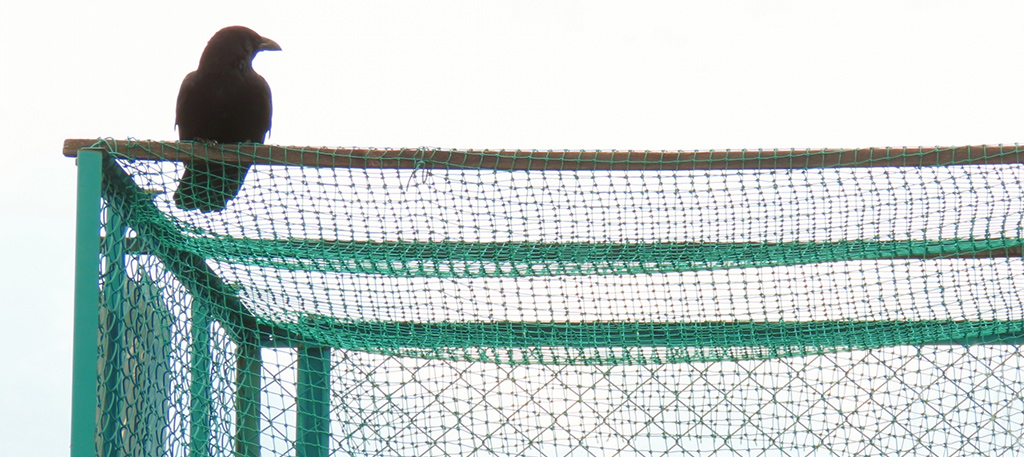
Make sure the net is stretched properly to avoid loose loops. Loose nets can trap birds or cause injury. Keep netting away from bird feeders and water sources. Clear fallen leaves or debris to prevent hiding spots for predators. Safe nets protect birds while letting them enjoy your garden.
Credit: www.fujinaga810.co.jp
Frequently Asked Questions
What Is The Best Netting For Garden Birds?
The best netting is lightweight, durable, and fine-meshed to protect birds without harming them. Choose UV-resistant, bird-safe netting for longevity and safety.
How Do I Install A Bird Net In My Garden?
Secure the net tightly over plants using stakes or frames. Ensure no gaps where birds can get trapped, and check regularly for damage.
Can Garden Netting Harm Birds Or Wildlife?
Properly installed netting does not harm birds if it is fine-meshed and taut. Avoid loose or tangled netting to prevent bird injuries or entanglement.
When Is The Best Time To Net A Garden For Birds?
Net your garden before fruit ripens or during early plant growth. This timing protects crops while minimizing disturbance to feeding birds.
Conclusion
Nets protect your garden and keep birds safe. Choose the right net with care. Secure it tightly to avoid gaps. Check your net regularly for damage. This helps birds stay free from harm. Enjoy watching birds visit your garden. A safe space means happy, healthy birds.
Simple steps make a big difference. Start netting today for a bird-friendly garden.