

Are you ready to welcome beautiful bluebirds to your backyard? Mounting a bluebird house on a tree is one of the best ways to give these charming birds a safe place to nest.
But how do you make sure your bluebird house is set up just right? In this guide, you’ll discover simple, step-by-step tips that anyone can follow. By the end, you’ll have the confidence to attract bluebirds and watch them thrive right outside your window.
Keep reading to learn exactly how to mount your bluebird house for the best results!

Credit: www.youtube.com
Choosing The Right Tree
Choosing the right tree is key for mounting a bluebird house. The tree must offer safety and comfort for the birds. It should support the house well without harm. A good tree helps attract bluebirds to your yard.
Selecting A Suitable Location
Pick a spot with open space around the tree. Bluebirds prefer areas with short grass or low plants nearby. Avoid places too close to busy roads or loud noises. The tree should get some sunlight but also have shade parts. This balance keeps birds safe and cool.
Tree Types That Work Best
Choose sturdy trees with strong branches. Oak, pine, and maple trees are good options. Avoid trees with thin or weak branches. Trees that shed less bark and leaves reduce mess around the house. Healthy trees with rough bark help the house stay firm.
Height And Orientation Tips
Mount the house 4 to 6 feet above the ground. This height protects birds from predators. Face the entrance hole away from prevailing winds. East or southeast directions work well to catch morning sun. Check that the house is stable and won’t sway in wind.

Credit: www.natureswaybirds.com
Preparing The Bluebird House
Preparing the bluebird house is a key step before mounting it on a tree. Careful preparation ensures the house is safe and comfortable for bluebirds. This process includes cleaning, inspecting, adding ventilation, drainage, and protecting the house from weather damage.
Cleaning And Inspecting The House
Start by cleaning any dirt or old nesting material from the house. Use a mild soap and water solution to wash the inside and outside. Rinse well and let it dry completely. Check for cracks, loose parts, or sharp edges that could harm the birds. Repair any damage before moving on.
Adding Ventilation And Drainage
Good airflow helps keep the house cool and dry. Drill small holes near the top sides of the house for ventilation. Ensure holes are small enough to keep predators out. Add drainage holes in the floor to let rainwater escape. This prevents mold and keeps the nest dry.
Painting And Weatherproofing
Use non-toxic, water-based paint to protect the wood. Choose light colors to reflect sunlight and reduce heat inside. Avoid painting the inside of the house. Apply a clear, safe weatherproof sealant to increase durability. Let the paint and sealant dry fully before mounting the house.
Mounting Techniques
Mounting a bluebird house properly is important for the birds’ safety and comfort. Choosing the right technique helps protect the tree and keeps the house stable. Use methods that hold the house firmly without harming the tree.
Using Straps And Brackets
Straps and brackets are common tools for mounting bluebird houses. Straps wrap around the tree and hold the house without nails. They reduce damage and allow tree growth. Metal or nylon straps work well.
Brackets attach directly to the tree with screws or nails. Use screws carefully to avoid deep wounds. Brackets offer strong support and keep the house steady in wind.
Avoiding Tree Damage
Avoid using nails or screws that pierce deep into the tree. Deep holes invite insects and disease. Straps are safer as they do not harm bark or wood.
Leave space for tree growth. Do not tighten straps too much. Check straps regularly and adjust if they begin to dig into the bark.
Ensuring Stability And Security
Place the house on a sturdy branch or trunk section. Use level tools to keep the house straight. A tilted house can scare birds away.
Secure the house tightly to prevent swinging in the wind. Movement can stress nesting birds. Check mounting points often and fix any loose parts.
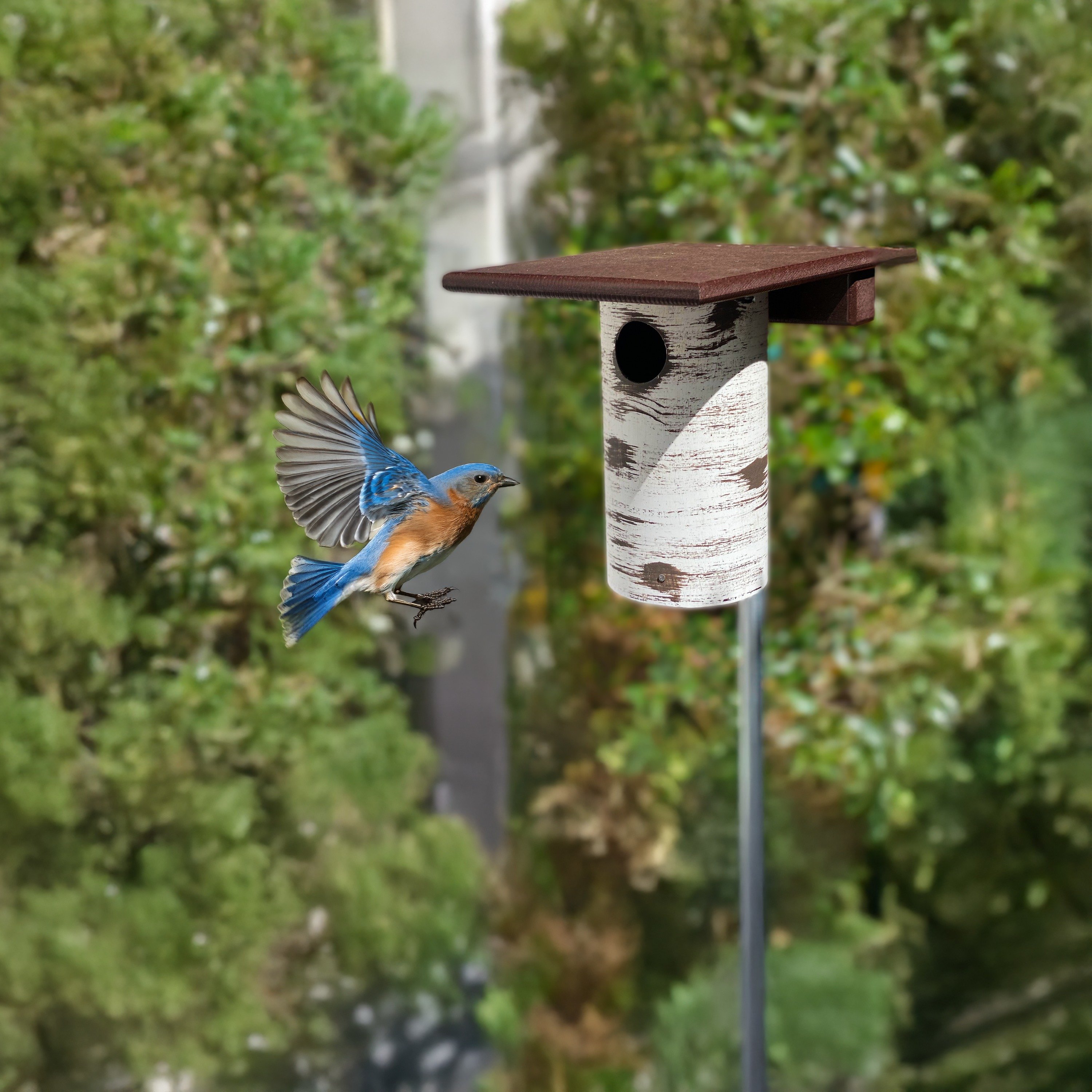
Credit: www.dutchcrafters.com
Maintenance And Monitoring
Regularly check the bluebird house for damage or dirt to keep it safe and inviting. Watching the house helps spot problems early and ensures bluebirds stay healthy. Cleaning the house each season encourages new birds to nest comfortably.
Ensuring your bluebird house is well-maintained and monitored is crucial for providing a safe and welcoming environment for these beautiful birds. Regular maintenance not only encourages bluebirds to return each season but also maximizes the success rate of breeding. Let’s dive into some key aspects of maintaining and monitoring your bluebird house effectively.Regular Cleaning Schedule
Creating a regular cleaning routine is essential for the health of bluebirds. After each nesting season, remove old nests and debris to prevent parasites and disease. A simple mix of water and mild soap can be used to clean the interior, ensuring a fresh start for the next occupants.Protecting From Predators
Predators like raccoons and cats can pose a significant threat to bluebirds. Installing predator guards on the tree or directly on the birdhouse can deter these unwelcome visitors. Consider using baffles or metal guards, which are effective barriers against climbing predators.Tracking Bluebird Activity
Monitoring bluebird activity can be an exciting and educational experience. Keep a journal or use a digital app to record observations such as the number of visits, nesting dates, and fledgling success. This information can offer insights into the health of the local bluebird population and help you make informed decisions about future maintenance. Taking these steps ensures that your bluebird house remains a safe and inviting haven. Are you ready to take action and make a positive impact on your local bluebird community?Frequently Asked Questions
How High Should I Mount A Bluebird House On A Tree?
Mount the bluebird house 4 to 6 feet above the ground. This height protects from predators and allows easy monitoring. It also ensures better visibility for bluebirds seeking a nesting spot. Avoid placing it too low or too high for safety and accessibility.
What Type Of Tree Is Best For Mounting A Bluebird House?
Choose a sturdy tree with a thick trunk or large branch. Avoid trees with dense foliage to keep the entrance visible. Deciduous trees work well because they provide shade and protection while allowing sunlight in. Ensure the tree is healthy and stable.
How Do I Attach A Bluebird House Without Harming The Tree?
Use adjustable straps or bungee cords instead of nails or screws. This prevents damage and allows tree growth. Avoid tight bindings that can restrict the tree’s natural expansion. Regularly check and adjust the straps to maintain tree health and house stability.
When Is The Best Time To Mount A Bluebird House?
Mount the house early spring before bluebirds begin nesting. This timing gives birds time to find and inspect the house. Avoid late summer or fall to prevent disturbing active nests. Early installation increases the chances of bluebirds choosing your house.
Conclusion
Mounting a bluebird house on a tree helps birds find a safe home. Choose a sturdy tree and secure the house tightly. Place it at the right height for bluebirds to feel safe. Keep the area clean to attract more birds.
Watch and enjoy nature visiting your yard. Small actions can support local wildlife. Try this simple project to help bluebirds thrive.