
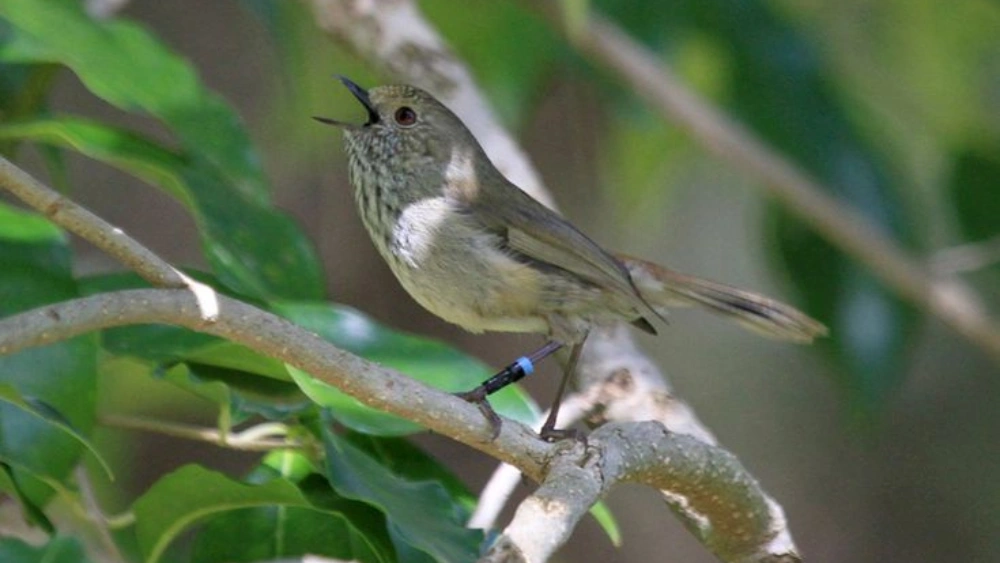
Ever found yourself captivated by the soothing symphony of bird calls? Imagine being able to join in, mimicking their melodies and feeling a deeper connection to nature.
Birdwatching is a popular hobby, but taking it a step further by learning how to mimic bird calls can transform your experience. Whether you’re looking to impress your friends, enhance your outdoor adventures, or simply enjoy a new skill, mastering bird calls is an intriguing and rewarding pursuit.
In this guide, you’ll discover simple techniques to replicate these natural harmonies, making your time in nature even more magical. Ready to surprise yourself with what your voice can do? Let’s dive in and uncover the secrets of nature’s songbirds!

Credit: petapixel.com
Basics Of Bird Calls
Understanding the basics of bird calls is essential if you want to mimic them effectively. Bird calls are not just random sounds; they have specific patterns and purposes. Knowing what these sounds mean helps you recreate them more accurately and connect with nature on a deeper level.
Types Of Bird Sounds
Birds produce a variety of sounds, each serving a unique role. The two main categories are callsand songs. Calls are short, simple sounds used for communication like alarm signals or keeping in touch with flock members.
Songs tend to be longer and more complex, often used by males to attract mates or mark territory. You’ll notice that some birds have a repertoire of different calls and songs depending on the situation. Paying close attention to these differences can help you decide which sounds to mimic first.
Why Birds Call
Birds use calls for many reasons beyond just singing beautifully. They call to warn others about predators, signal food sources, or maintain contact with their group. Each call has a clear purpose, which gives you clues about how and when to use them.
Have you ever wondered why some bird calls sound urgent while others are calm and melodic? This variation is because the tone and rhythm match the message they want to send. Understanding the “why” behind bird calls will make your mimicking more natural and meaningful.

Credit: www.youtube.com
Tools For Mimicking
To mimic bird calls effectively, having the right tools is essential. These tools help you replicate sounds with accuracy and add variety to your practice. Whether you want to use your natural ability or enhance it with devices, understanding your options can make a big difference.
Using Your Voice
Your voice is the most accessible and versatile tool for mimicking bird calls. With practice, you can adjust pitch, tone, and rhythm to match different birds. Try recording yourself to hear where you can improve and notice subtle details in the calls.
Start by listening carefully to the bird call you want to mimic. Can you break it down into parts? Sometimes, repeating short segments helps build muscle memory in your vocal cords. Have you tried changing your mouth shape or tongue position to get closer to the sound?
Bird Call Devices
Bird call devices are designed to produce specific bird sounds with ease. They range from simple whistles to electronic callers that can play recorded sounds. These tools are handy when you want a precise call without relying solely on your voice.
Using a bird call device can also help you learn the nuances of different species’ calls. For example, a whistle made for owl calls can help you understand the rhythm and pitch needed. Do you have a favorite bird call device, or are you curious which one fits your style best?
Techniques For Accuracy
Achieving accuracy in mimicking bird calls requires focused techniques. These techniques help capture the true sound and feel of each call. Practicing them improves both recognition and reproduction of bird songs. Accuracy makes your mimicry more believable and enjoyable.
Listening And Repeating
Start by listening carefully to the bird call you want to mimic. Play recordings several times. Focus on small details like tone and pauses. Repeat the sounds immediately after hearing them.
Use short practice sessions to avoid fatigue. Try to copy the call exactly as you hear it. Record yourself to compare with the original call. This helps identify areas for improvement.
Mastering Pitch And Rhythm
Pitch and rhythm define the uniqueness of a bird call. Pay close attention to the high and low sounds. Notice how long or short each note lasts.
Practice matching the pitch by humming or whistling. Use your voice or a small instrument to help. Keep the rhythm steady and consistent. Try to keep the timing between notes the same as the bird’s call.
Practice And Application
Practice and application are key to mimicking bird calls effectively. Regular effort sharpens your ear and improves your voice. You learn to catch subtle tones and rhythms. Each practice session brings you closer to sounding natural. Applying these skills outdoors tests your ability in real situations.
Recording And Playback
Recording your attempts helps track progress. Use a simple voice recorder or a smartphone app. Play back your recordings to notice mistakes. Compare your voice to the bird’s original call. Repeat this process to refine your sound.
- Record in a quiet room for clear sound
- Listen carefully to pitch, tone, and rhythm
- Adjust your voice and record again
- Keep a folder of recordings for reference
Using Calls In The Wild
Testing calls in nature strengthens your skills. Birds respond differently to calls in their habitat. Use calls to attract birds or observe their behavior. Stay patient and respectful to avoid disturbing wildlife. Practice at different times for varied results.
- Choose a quiet spot with visible birds
- Start with soft calls to avoid startling them
- Watch for bird reactions and adjust calls
- Record your outdoor sessions for review
Credit: owlcation.com
Frequently Asked Questions
How Can I Learn To Mimic Bird Calls Effectively?
Start by listening carefully to bird calls in nature or recordings. Practice regularly to match pitch and rhythm. Use tools like apps or a bird call guide. Patience and repetition improve accuracy over time.
What Tools Help In Mimicking Bird Calls?
Bird call apps, audio recorders, and field guides are useful. Apps provide practice sounds and feedback. Recorders help compare your mimicry with real calls. Field guides give visual and audio references.
Why Is Mimicking Bird Calls Useful?
It aids birdwatching by attracting birds closer. It helps study bird behavior and communication. Mimicking calls can also enhance your outdoor experience and connection with nature.
Are There Ethical Concerns In Mimicking Bird Calls?
Yes, avoid disturbing nesting or breeding birds. Use calls sparingly to prevent stress. Always respect wildlife and follow local birdwatching guidelines.
Conclusion
Mimicking bird calls takes practice and patience. Start by listening closely to the sounds. Try to copy the pitch and rhythm carefully. Use simple tools or your voice to repeat the calls. Enjoy the process and watch how your skills improve.
Birdwatching becomes more fun with these sounds. Remember, nature teaches best when you pay attention. Keep practicing, and soon you will blend with the bird songs around you.