

Are you looking to attract more feathered friends to your backyard? Making suet for birds using lard is a simple and rewarding way to do just that!
This homemade treat will not only nourish them but also keep them coming back for more. Imagine the joy of watching vibrant birds flit around your garden, chirping happily as they enjoy the suet you’ve lovingly prepared. In this guide, we’ll break down the process step by step, ensuring you can easily whip up a batch of suet that will make your garden a bird paradise.
Ready to learn how? Let’s dive in!
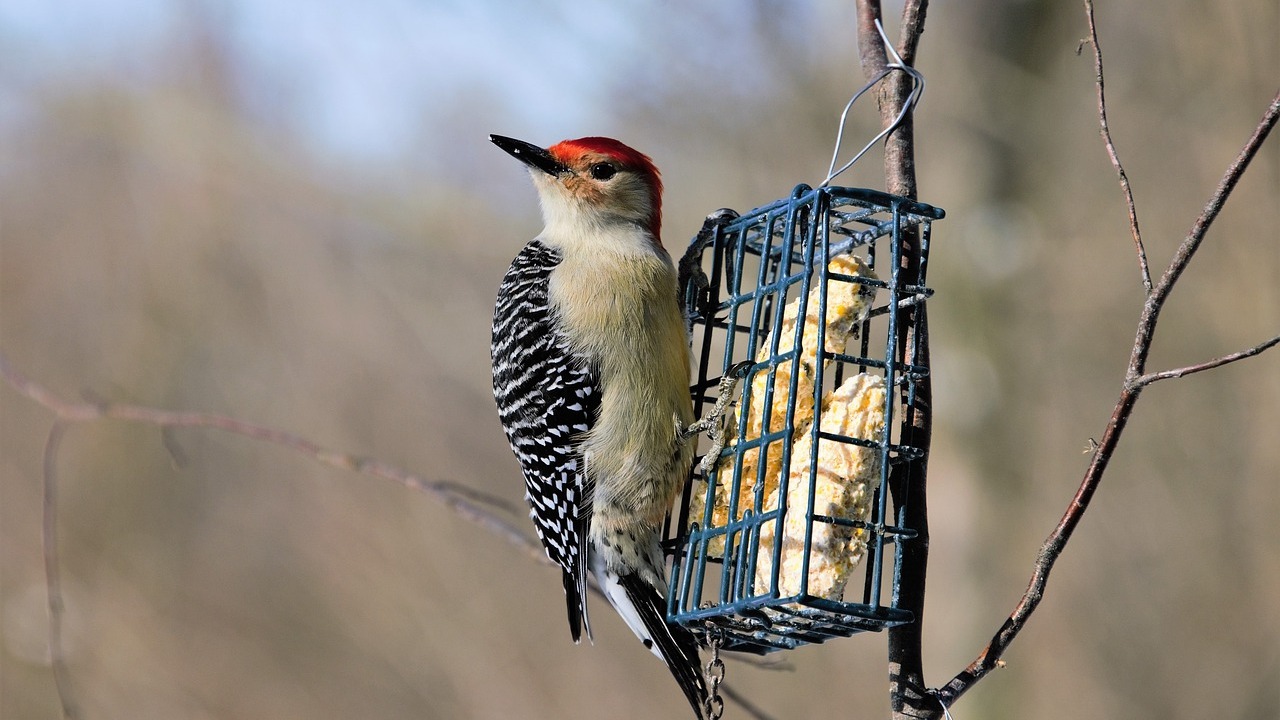
Credit: utopia.org
Ingredients Needed
Making suet for birds requires a few simple ingredients. Each plays a key role in attracting birds and providing them with energy. Choosing the right ingredients ensures your suet is tasty and healthy for wild birds. Here is what you need to gather before you start making suet with lard.
Types Of Lard
Lard is the main fat used in homemade suet. It comes in different types, each with its own qualities.
- Rendered Lard:Clean and pure fat from pork, fully melted and strained.
- Leaf Lard:A premium type, soft and mild in flavor, ideal for suet.
- Hydrogenated Lard:Solid at room temperature, lasts longer but less natural.
Choose lard without added salt or seasoning. Pure lard keeps the suet safe for birds.
Additional Components
Suet needs more than just lard. Other ingredients add nutrition and attract different bird species.
- Birdseed Mix:Sunflower seeds, millet, cracked corn, and safflower.
- Peanut Butter:Adds protein and flavor, helps bind ingredients.
- Dried Fruits:Raisins or cranberries for sweetness and energy.
- Oats or Cornmeal:Provide texture and extra nutrients.
Where To Source Ingredients
Finding quality ingredients is easy with these tips.
- Local butcher shops often sell fresh lard.
- Grocery stores carry lard in the baking or refrigerated section.
- Pet or garden stores offer birdseed blends designed for wild birds.
- Natural food stores usually have organic peanut butter and dried fruits.
Buy fresh, natural products to ensure safe and healthy suet for birds.

Credit: www.willyswilderness.org
Preparing The Suet Mixture
Preparing the suet mixture is where the magic begins. This step ensures that your suet is not only tasty for birds but also holds together well in colder weather. You’ll want to focus on the right texture and balance of ingredients to attract a variety of feathered visitors.
Melting The Lard
Start by gently melting your lard over low heat. Avoid high temperatures to prevent burning or altering the fat’s quality. Stir occasionally until the lard becomes completely liquid and smooth.
Have you noticed how slow melting helps keep the lard clear and fresh? That clarity means fewer impurities, which birds definitely prefer.
Mixing Dry Ingredients
While the lard is melting, gather your dry ingredients. Common choices include birdseed, oats, cornmeal, and sometimes crushed nuts. Mix these together in a large bowl to distribute everything evenly.
Try mixing ingredients that you know local birds favor. Have you observed what your backyard visitors peck at the most? Including those favorites boosts your suet’s appeal.
Combining Ingredients
Once the lard is melted, carefully pour it over your dry ingredient mix. Stir steadily to combine everything thoroughly. The goal is a thick, sticky mixture that holds together without being too runny.
Think about the consistency—does it stick when pressed between your fingers? If it feels too loose, add a bit more birdseed or oats to thicken it up. This simple test helps ensure your suet will stay put in feeders, even on windy days.
Shaping And Storing Suet
Shaping and storing suet properly helps keep it fresh and easy to use. The right shape makes suet convenient to hang or place in feeders. Proper storage prevents spoilage and keeps birds safe. Let’s explore simple ways to mold and store suet made from lard.
Molding Techniques
Choose a mold that fits your feeder or garden style. Use silicone molds for easy removal or small containers like yogurt cups. Press the suet mixture firmly into the mold to avoid cracks. Smooth the surface with a spatula or spoon. Freeze the shaped suet for a few hours until solid. Pop the suet out carefully to keep its shape intact.
Storage Tips
- Wrap suet blocks in wax paper or plastic wrap to protect from air.
- Store suet in airtight containers to stop odors and moisture.
- Keep suet in the refrigerator for short-term use.
- Freeze suet for long-term storage to maintain freshness.
- Label containers with date made to track freshness easily.
Shelf Life
Fresh suet lasts about two weeks in the fridge. Frozen suet can stay good for up to six months. Avoid storing suet near strong smells; it absorbs odors quickly. Check suet before use; discard if it smells rancid or looks moldy. Proper storage ensures birds get safe and tasty food.
Feeding Birds Safely
Feeding birds with suet made from lard is a great way to support local wildlife. Safety is key to keep birds healthy and happy. Proper feeding helps birds get energy without harm. Understanding how to feed birds safely ensures they visit often and thrive in your garden.
Best Feeding Practices
- Use fresh, clean lard to avoid spoilage.
- Place suet in a mesh feeder or cage to prevent large animals from stealing it.
- Keep feeding areas clean to stop mold and bacteria growth.
- Refill suet regularly to ensure birds always have fresh food.
- Wash hands before and after handling suet to avoid contamination.
Types Of Birds Attracted
Suet made from lard attracts many bird species. Woodpeckers, nuthatches, chickadees, and titmice love suet. These birds need high-energy food, especially in cold weather. Suet also draws wrens and starlings. Offering suet helps support a variety of birds near your home.
Seasonal Considerations
Suet is best in cold months when birds need more calories. Avoid feeding suet in hot weather to prevent melting and spoilage. In spring and summer, use suet sparingly or switch to seeds and fruits. Adjust feeding habits with the seasons for bird health and safety.
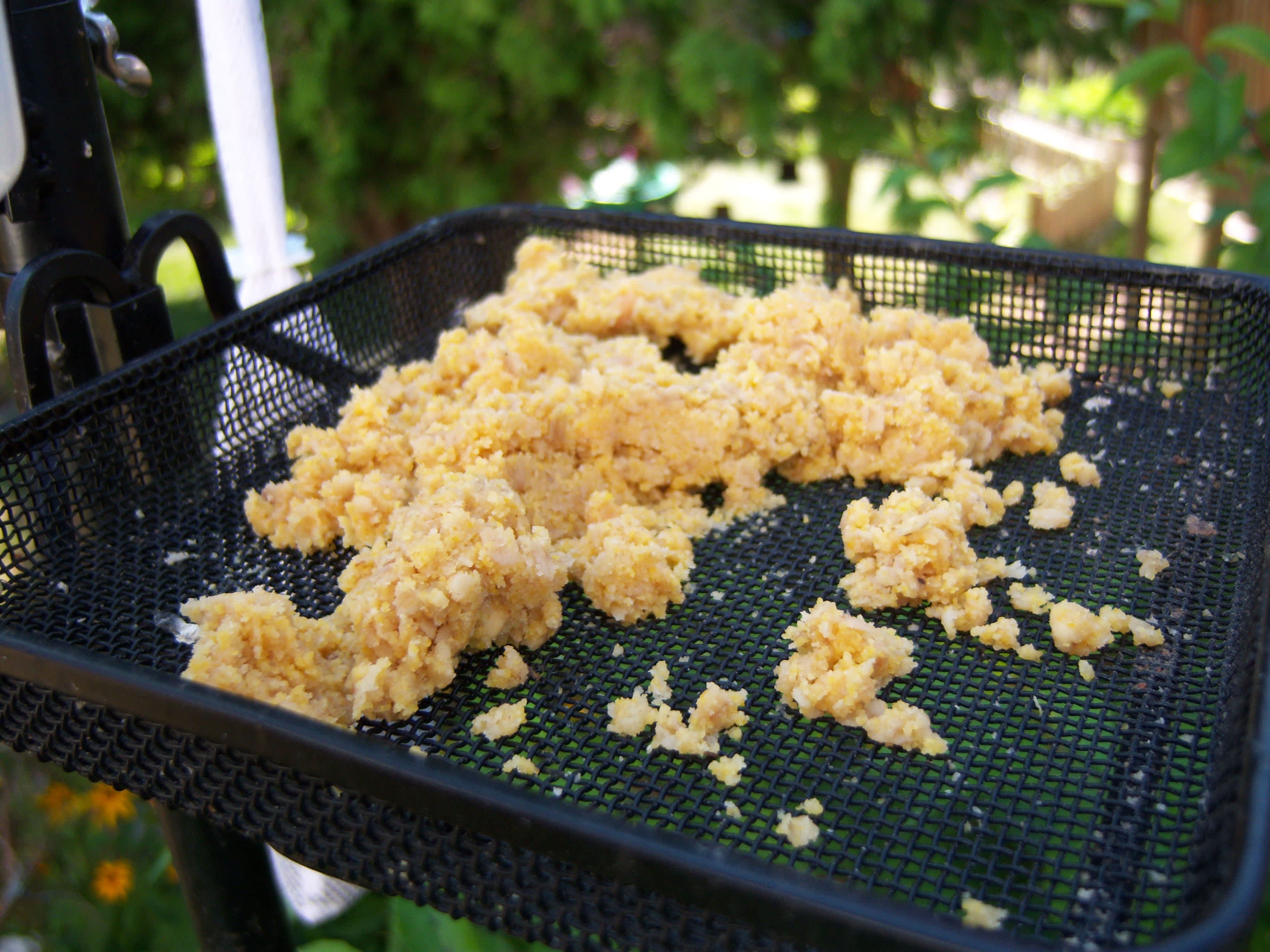
Credit: www.food.com
Frequently Asked Questions
What Ingredients Are Needed To Make Suet With Lard?
To make suet using lard, you need lard, birdseed, cornmeal, and optional nuts. Mix these ingredients well for a nutritious bird treat.
How Do You Safely Prepare Suet For Birds?
Melt lard gently without overheating. Mix in dry ingredients, then pour into molds. Let it cool and solidify before feeding.
Can Homemade Suet Attract Specific Bird Species?
Yes, suet with seeds and nuts attracts woodpeckers, chickadees, nuthatches, and other insect-eating birds. Adjust ingredients to target favorite species.
How Should Suet Be Stored For Best Freshness?
Store suet in an airtight container in the refrigerator or freezer. This keeps it fresh and prevents spoilage for several weeks.
Conclusion
Making suet for birds using lard is simple and rewarding. You help birds stay healthy, especially in cold weather. The process uses easy ingredients and steps anyone can follow. Homemade suet attracts many bird species to your yard. Watching birds enjoy your suet brings joy and peace.
Try making your own suet and enjoy nature up close. It’s a small effort with great benefits for your feathered friends. Keep your bird feeders full and see the difference today.