
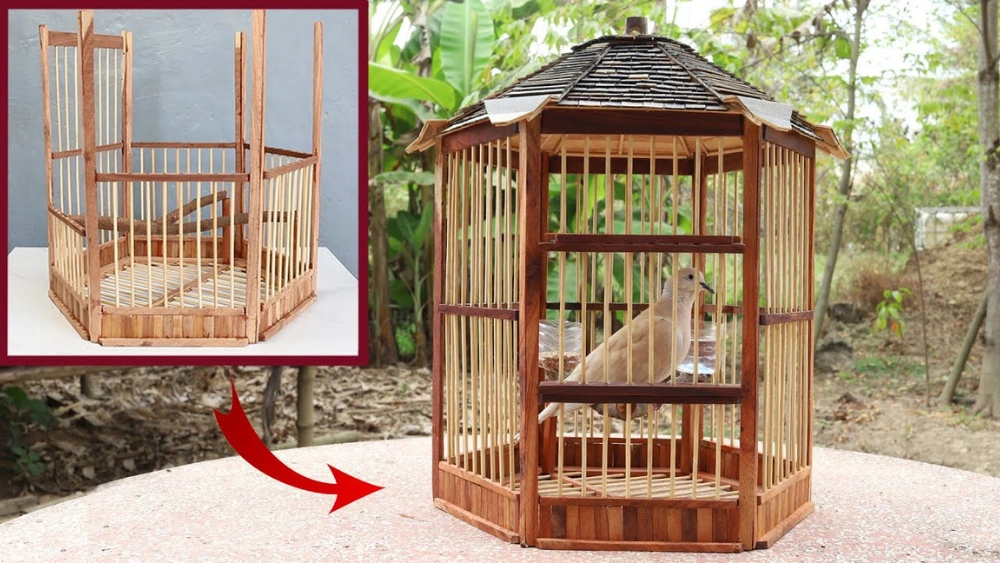
Imagine the joy of watching a little bird flutter around in a cage you made yourself. Not only is it a fun project, but it also gives you the chance to create a cozy home tailored for your feathered friend.
If you’ve ever wondered how to make a small bird cage at home, you’re in the right place. This guide will walk you through each step, ensuring you have a safe and welcoming space for your bird. You’ll discover how easy and rewarding this DIY project can be.
By the end, you’ll have a beautiful bird cage, crafted with love and care, and a happy pet to enjoy it. Ready to get started? Let’s dive in!

Credit: m.youtube.com
Choosing Materials
Choosing the right materials is the foundation of building a small bird cage that is both safe and durable. The materials you pick will directly impact the comfort and health of your feathered friend. It’s not just about looks; the cage must withstand wear while keeping your bird secure and happy.
Best Wood Types
Wood adds a natural feel to your bird cage, but you must choose the right kind to avoid harm. Untreated hardwoods like oak, maple, or birch work well because they are strong and less likely to splinter. Avoid softwoods such as pine or cedar, as their oils and resins can be toxic to birds.
Have you ever noticed how some woods smell more intense? That’s a sign they might irritate your bird’s sensitive respiratory system. Opt for smooth, untreated pieces and sand down any rough edges to prevent injuries.
Safe Wire Options
Wire is essential for ventilation and visibility, but it must be bird-safe. Stainless steel wire is a top choice because it doesn’t rust and is strong enough to keep your bird safe. Galvanized wire can be an alternative, but avoid any wire coated in zinc or paint, as these coatings can be poisonous if ingested.
Make sure the wire spacing is appropriate for your bird’s size—too large, and your pet might escape or get stuck. Usually, spacing between 1/2 inch to 3/4 inch works for small birds. Check the wire ends too; they should be smooth and securely fastened to avoid sharp points.
Tools Needed
Gathering the right tools makes the building process smoother and safer. You’ll need a saw for cutting wood, wire cutters for trimming metal, and a drill for assembling parts. Sandpaper or a sanding block is essential to smooth out wood surfaces and edges.
Don’t forget safety gear like gloves and goggles—your hands and eyes will thank you. Having clamps can also help hold pieces steady while you work, making your cage sturdier. Are you ready to turn simple materials into a cozy home for your bird?
Building The Frame
Building the frame is the key part of making a small bird cage at home. It gives shape and strength to the cage. The frame holds all parts together and creates a safe space for your bird. Use light but strong materials like wood or metal rods.
Measuring And Cutting
Start by measuring the size you want for the cage. Keep the bird’s comfort in mind. Mark the measurements on your material clearly. Use a saw or cutter to cut pieces carefully. Cut straight lines to ensure parts fit well. Double-check each piece after cutting to avoid mistakes.
Assembling The Base
The base supports the whole cage, so it must be sturdy. Arrange the cut pieces to form a square or rectangle. Join corners tightly using nails, screws, or strong glue. Make sure the base is level and firm. This will keep the cage stable on any surface.
Adding Walls And Roof
Attach vertical pieces to the base for walls. Space them evenly for good airflow and safety. Connect the top ends with horizontal pieces to form a roof frame. Secure all joints firmly to avoid gaps or loose parts. Check the frame for any sharp edges and smooth them out.
Finishing Touches
Adding the finishing touches to your small bird cage is where your project truly comes alive. These final steps not only improve the look of the cage but also make it a safe and cozy home for your feathered friend. Paying close attention now will save you time and effort later, especially when your bird starts exploring its new space.
Sanding And Painting
Start by sanding the cage’s surfaces to smooth out any rough edges or splinters. This step is crucial to protect your bird from injury and to give the cage a polished look.
Choose a non-toxic, bird-safe paint or finish. Avoid anything with strong chemicals or fumes that could harm your pet. Apply thin, even coats and let each layer dry completely before adding the next.
Installing Perches And Feeders
Perches are essential for your bird’s comfort and exercise. Use natural wood or safe materials, and place them at varying heights to encourage movement.
Feeders should be easy to reach but away from droppings to keep food clean. Consider adding water containers that are secure and simple to refill.
Ensuring Safety And Comfort
Check all joints and connections to make sure nothing is loose or sharp. A well-constructed cage keeps your bird safe and stress-free.
Think about adding soft bedding or lining the bottom with paper for easy cleaning. Providing a cozy environment helps your bird settle in quickly.

Credit: m.youtube.com

Credit: www.reddit.com
Frequently Asked Questions
What Materials Are Needed To Make A Small Bird Cage?
You need wood or metal rods, wire mesh, nails, hinges, and a latch. Choose non-toxic materials safe for birds. Tools like a hammer, saw, and pliers help assemble the cage efficiently.
How Do I Ensure The Bird Cage Is Safe?
Use smooth edges and non-toxic paint. Avoid gaps where birds can get stuck. Ensure the cage is sturdy and escape-proof. Regularly check for wear and sharp points.
What Size Is Ideal For A Small Bird Cage?
The cage should be at least 18x18x18 inches for small birds. This size allows enough space for movement and perches. Larger cages are always better for bird comfort.
How To Maintain And Clean A Homemade Bird Cage?
Clean the cage weekly using mild soap and water. Remove droppings, food, and debris regularly. Dry thoroughly to prevent rust or mold. Proper maintenance keeps birds healthy and happy.
Conclusion
Making a small bird cage at home is simple and rewarding. You can save money and create a safe space for your bird. Use basic tools and materials you already have. Take your time to measure and build carefully. A homemade cage shows your care and effort.
Birds enjoy a cozy and comfortable home. Start your project today and enjoy watching your bird happily inside. Small steps lead to great results. Keep learning and improving your skills with each cage you make.