
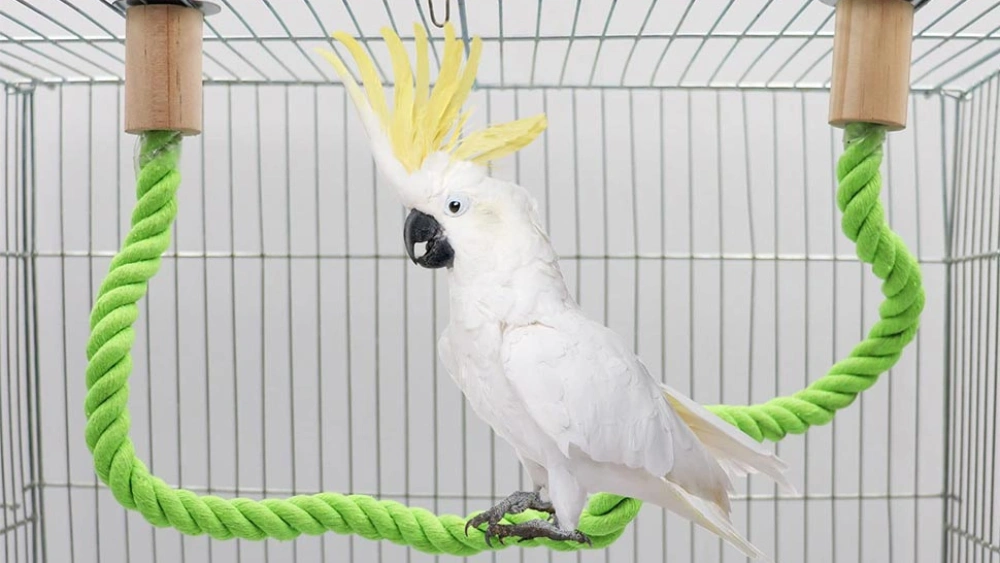
Are you looking to create a more stimulating environment for your parrot? Crafting your own rope perches might be the perfect solution.
Parrots are intelligent and curious creatures, and they thrive when they have engaging spaces to explore. By making your own rope perches, you can customize them to suit your feathered friend’s needs and preferences. Plus, it’s a fun and rewarding project that you can easily tackle at home.
Imagine watching your parrot joyfully hopping from perch to perch, thanks to your creative handiwork. In this guide, we’ll walk you through the simple steps to make safe and comfortable rope perches that your parrot will love. Ready to get started? Let’s dive in and discover how you can enhance your parrot’s habitat and make their life a bit more exciting!

Credit: www.amazon.com
Materials Needed
Making rope perches for parrots needs a few simple materials. These items are easy to find and safe for your bird. Using the right materials ensures a comfy and secure perch.
Choose materials that are non-toxic and sturdy. Avoid anything that can fray too much or cause harm if chewed. Soft but durable rope works best for parrots to grip and climb on.
Natural Cotton Rope
- Choose 100% natural cotton rope.
- Avoid synthetic fibers that can be harmful.
- Pick a thickness around 1/2 inch for easy gripping.
Stainless Steel Hooks Or Clips
- Use rust-resistant hooks for durability.
- Secure the perch safely inside the cage.
- Ensure hooks are smooth to avoid injury.
Scissors Or Rope Cutter
- Use sharp scissors to cut the rope cleanly.
- Prevent fraying by cutting precisely.
- A rope cutter or hot knife also works well.
Non-toxic Glue Or Tape
- Use bird-safe glue to secure rope ends.
- Alternatively, wrap ends tightly with tape.
- Prevents unraveling and keeps perch sturdy.

Credit: www.amazon.com
Choosing The Right Rope
Choosing the right rope is crucial for making safe and comfortable perches for your parrots. The rope not only needs to support your bird’s weight but also offer a texture that helps maintain healthy feet. Picking the wrong material can lead to injuries or discomfort, so take your time to select wisely.
Material Matters: Natural Vs. Synthetic
Natural fibers like cotton and sisal are soft and gentle on your parrot’s feet. They provide a good grip, reducing the risk of slipping. However, natural ropes can wear out faster and may harbor bacteria if not cleaned regularly.
Synthetic ropes, such as nylon, are durable and easy to clean. But some can be too smooth or even toxic if chewed. Always check if the synthetic material is bird-safe before using it.
Thickness And Texture
The rope’s thickness should match your parrot’s size. Smaller birds need thinner ropes around 1/2 inch thick, while larger species need thicker ropes up to 1 inch or more. This helps your bird hold on comfortably without straining their feet.
Texture plays a role in foot health too. Rough ropes encourage natural foot exercise, but they shouldn’t be abrasive. Try running your fingers over the rope—if it feels too rough for you, it might be harsh for your bird’s delicate skin.
Safety First: Avoiding Harmful Chemicals And Frays
Always choose ropes labeled as non-toxic and safe for pets. Avoid ropes treated with pesticides, dyes, or chemicals that could harm your parrot. Remember, parrots love to chew, so untreated, natural fibers are often a safer bet.
Inspect the rope regularly for frayed ends or loose fibers. These can cause entanglement or be ingested accidentally. If you notice fraying, replace or trim the rope to keep your perch safe.
Color And Visual Appeal
While color might seem unimportant, bright ropes can stimulate your parrot’s interest and encourage play. Non-toxic, dyed ropes offer variety and can brighten up your bird’s cage. Just ensure the dyes are safe and won’t wash off easily during cleaning.
Choosing a color your parrot prefers might even make them more likely to use the perch. Have you noticed your bird’s favorite toys or items? Matching these colors can be a simple way to add comfort.
Step-by-step Construction
Building rope perches for your parrots can be a rewarding project that not only saves money but also gives your feathered friends a comfortable and safe place to rest. The process involves simple materials and tools, and you can tailor the size and shape to fit your bird’s preferences perfectly. Let’s walk through the construction steps to help you create a durable and attractive perch.
Choosing The Right Materials
Start with natural cotton rope, as synthetic fibers can be harmful if ingested. The rope thickness depends on your parrot’s size—larger birds need thicker ropes for better grip.
Get a sturdy wooden dowel or metal rod as the base. This will keep the perch stable and easy to attach to the cage.
Preparing The Base
Cut the dowel or rod to the desired length, considering how much space your bird has. Sand any rough edges to avoid splinters.
Drill holes at both ends if you plan to attach hooks or screws. This makes installation safer and more secure.
Wrapping The Rope
Secure one end of the rope to the base using strong glue or by tying a tight knot. Then, wrap the rope evenly around the dowel.
Make sure the rope layers stay snug without gaps where claws could get stuck. This step takes patience but is crucial for safety.
Securing The End Of The Rope
Once wrapped, tie the rope securely at the other end or use glue to keep it in place. Double-check the knot or glue bond to prevent unraveling.
Trim any excess rope and tuck it under the wrapped layers for a neat finish.
Adding Attachment Hardware
Attach hooks or screw eyes to the drilled holes on each end of the perch. This allows you to hang or fix the perch inside your parrot’s cage.
Test the stability by gently pulling the perch to ensure it can hold your bird’s weight without slipping.
Finishing Touches And Safety Check
Inspect the entire perch for loose threads, sharp edges, or weak spots. Remove any debris or dust before introducing it to your parrot.
Consider adding a non-toxic sealant if you want extra durability, but ensure it’s safe for birds. Your parrot’s safety comes first, so keep checking the perch regularly.
Safety Tips For Parrot Perches
Safety is the top priority when making rope perches for parrots. Parrots need a secure and healthy place to rest. Unsafe perches can cause injuries or health problems. Follow these safety tips to keep your parrot safe and happy.
Choose Non-toxic Materials
Only use ropes made from natural fibers like cotton or sisal. Avoid synthetic materials that can release harmful chemicals. Check that the rope is free from dyes or treatments that might harm your bird.
Check For Loose Threads And Fraying
Loose threads can trap toes or be swallowed by your parrot. Inspect the rope regularly for frays. Trim any loose ends to prevent accidents.
Ensure Proper Size And Thickness
Pick rope thickness that fits your parrot’s feet well. Too thin ropes can hurt their feet. Too thick ropes may be hard to grip. Measure your parrot’s foot size for best results.
Secure Attachment Points
Attach the perch firmly to the cage or play area. Loose perches can fall and injure your parrot. Use strong knots or hardware designed for bird cages.
Clean The Perch Regularly
Dirty perches can harbor bacteria and fungi. Wash rope perches often with mild soap and water. Let them dry completely before placing back.
Monitor Wear And Tear
Rope perches wear out over time. Replace them if the rope becomes weak or damaged. Check for signs of mold or mildew as well.

Credit: www.amazon.com
Frequently Asked Questions
What Materials Are Best For Making Rope Perches?
Natural fibers like cotton, sisal, or hemp are best for rope perches. They are safe, non-toxic, and durable. Avoid synthetic ropes as they can harm parrots if ingested. Choose soft, chew-resistant materials to ensure your parrot’s comfort and safety.
How Do You Secure Rope Perches Safely?
Secure rope perches by tightly knotting ends and anchoring them to cage bars. Use metal hooks or zip ties for extra stability. Ensure the perch doesn’t wobble or slip to prevent injury. Regularly inspect knots and attachments for wear and safety.
Can Rope Perches Help Improve Parrot’s Foot Health?
Yes, rope perches promote foot exercise and prevent pressure sores. Their uneven surface strengthens foot muscles and improves grip. Rotating different perch types enhances foot health. Always keep rope perches clean to avoid bacterial buildup.
How Often Should Rope Perches Be Cleaned?
Clean rope perches weekly to prevent bacteria and mold. Use mild soap and warm water, then rinse thoroughly. Allow them to dry completely before returning to the cage. Regular cleaning maintains hygiene and keeps your parrot healthy.
Conclusion
Making rope perches for parrots is simple and fun. You need only a few materials and tools. These perches provide comfort and exercise for your bird. Always choose safe, non-toxic rope and check it often. Replace worn parts to keep your parrot safe.
Handmade perches can save money and add a personal touch. Try different shapes and sizes to find what your parrot likes best. Your bird will enjoy the new perch and stay active. Give your parrot a cozy spot to rest and play.