

If you want to create a cozy spot for your feathered friends, making perches for birds is easier than you think. Imagine giving your birds a comfortable place to rest, play, and feel safe—all made by your own hands.
Whether you have pet birds or enjoy watching wild ones in your garden, the right perch can make a big difference. In this guide, you’ll discover simple steps and smart tips to build perches that birds will love. Ready to bring more joy to your birds and add charm to your space?
Keep reading to learn how!
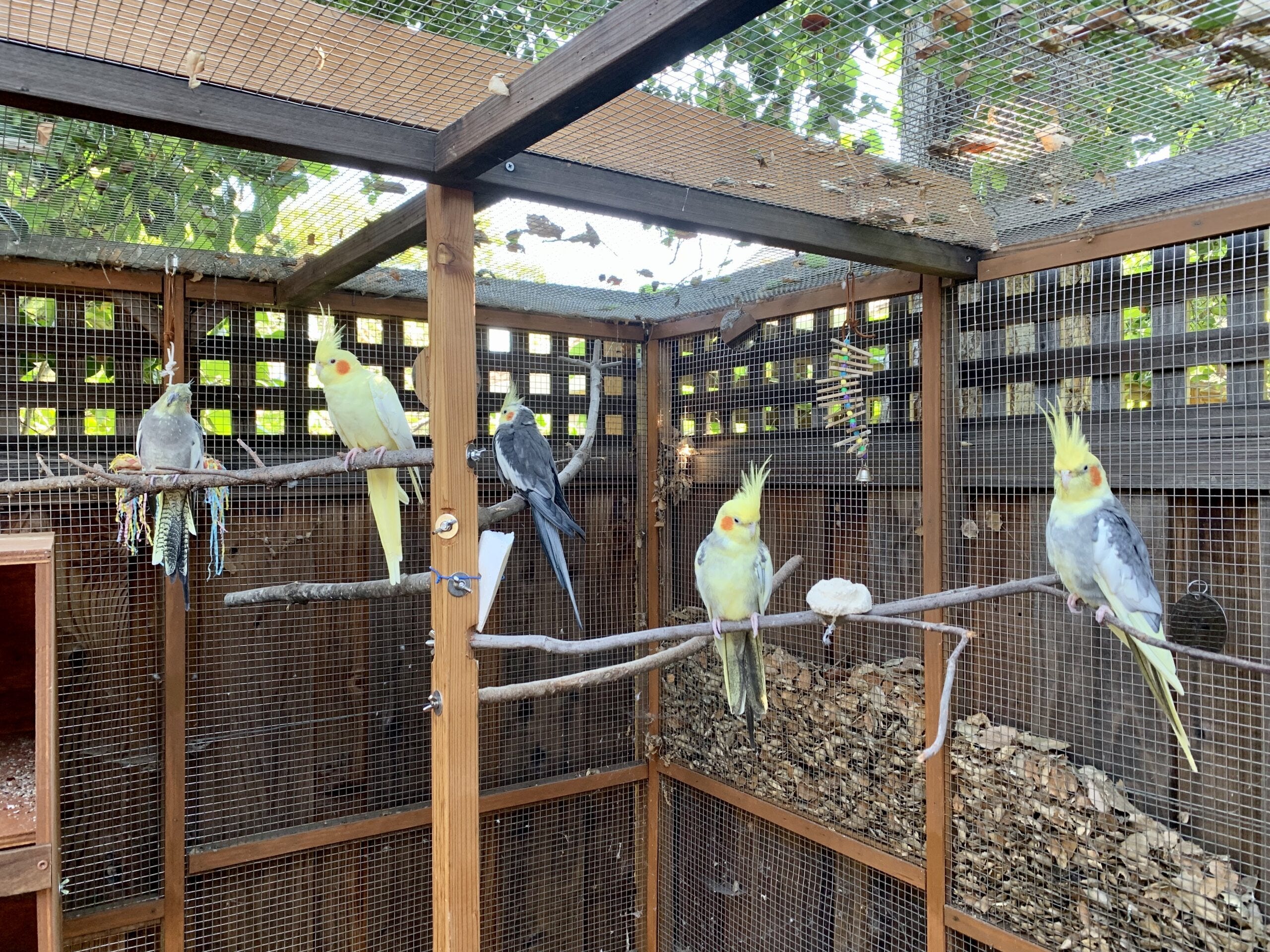
Credit: freerangeparrots.org
Choosing Materials
Choosing the right materials is key when making perches for birds. The materials must be safe, sturdy, and comfortable. Birds use their feet to grip and rest, so the texture and size of the perch matter.
Materials should not harm birds or cause health issues. Selecting natural and non-toxic options helps keep birds healthy. Using recycled materials can be a smart, eco-friendly choice if done carefully.
Safe Wood Options
Natural wood is the best choice for bird perches. It offers a rough surface that helps birds grip well. Good wood types include:
- Apple wood
- Maple
- Birch
- Willow
- Ash
Avoid softwoods like pine or cedar. These woods contain oils that may harm birds. Always clean wood thoroughly before use.
Avoiding Toxic Substances
Perches must be free from chemicals and toxins. Avoid treated or painted wood. These contain harmful substances birds can ingest.
Do not use perches with nails or sharp edges. These can injure birds. Sand down rough spots to protect their feet.
Recycled Materials
Recycling can save money and reduce waste. Use scrap wood only if it is untreated and chemical-free. Old branches from safe trees work well.
Never use materials that once held chemicals or paint. Plastic and metal can be risky unless designed for birds. Choose recycled items with care to ensure safety.
Basic Perch Designs
Creating basic perches for birds is simple and rewarding. Birds need comfortable spots to rest, climb, and play. Proper perches help keep their feet healthy and minds active. Different materials and designs suit various bird types. Choose a design based on your bird’s size and behavior.
Simple Wooden Perches
Wooden perches are classic and easy to make. Use smooth, untreated wood to avoid harmful chemicals. Cut the wood into sticks about ¾ to 1 inch thick. Sand the edges to prevent splinters. Attach the perch securely inside the cage with metal hooks or screws. Wooden perches provide a natural grip and are gentle on birds’ feet.
Natural Branch Perches
Natural branches offer variety in shape and texture. Pick branches from safe trees like apple, willow, or pine. Clean them thoroughly and remove loose bark. Branches come in different diameters, which helps exercise bird feet. Use non-toxic nails or wire to fix branches in place. These perches add a natural feel to the bird’s environment.
Rope Perches
Rope perches add softness and flexibility. Use cotton or sisal rope for safety and comfort. Wrap the rope tightly around a wooden base or metal frame. Secure both ends firmly to avoid unraveling. Rope perches provide a fun, textured surface for climbing and gripping. They are gentle on sensitive bird feet and easy to move around.
Advanced Perch Ideas
Advanced perch ideas can transform your bird’s environment from simple to stimulating. By adding variety and interactive elements, you keep your feathered friend active and happy. These creative perches offer not just a place to rest but also a source of mental and physical engagement.
Multi-level Perches
Creating multi-level perches adds vertical space that birds love to explore. You can use different lengths and thicknesses of wooden dowels or natural branches to set up tiers. This setup encourages climbing and jumping, which helps build your bird’s muscles and coordination.
Try positioning the levels at varying heights and distances to challenge your bird’s agility. How often do you see your bird using all the levels? Watching them navigate multiple perches can be very rewarding.
Interactive Perch Toys
Interactive perch toys combine resting spots with play. Attach small bells, mirrors, or chewable wooden blocks to the perch itself. These little additions spark curiosity and prevent boredom.
Think about adding different textures, like rope or leather strips, alongside the perch. Your bird will enjoy pecking and tugging, keeping their beak sharp and mind engaged. Have you noticed how birds prefer perches that offer more than just a flat surface?
Swings And Ladders
Swings and ladders add motion and a climbing challenge to your bird’s perch setup. A swing perch can gently rock, providing a soothing movement that many birds find comforting. Meanwhile, ladders encourage physical exercise by motivating your bird to climb.
Use sturdy materials like untreated wood and secure the swing so it moves smoothly without tipping. Mixing swings and ladders with static perches creates a dynamic playground. What kind of movement does your bird enjoy most?

Credit: www.pvcfittingsonline.com
Maintenance And Safety
Maintaining bird perches ensures a healthy, safe space for your feathered friends. Regular care prevents disease and injuries. Safety checks keep perches sturdy and secure. This section covers essential tips for upkeep and protection.
Cleaning Tips
Clean perches often to stop bacteria buildup. Use warm water and mild soap for washing. Rinse well to remove soap residue. Avoid harsh chemicals that may harm birds. Dry perches completely before reuse. Remove droppings daily with a soft cloth or brush.
Inspecting For Wear
Check perches regularly for cracks or splinters. Look for loose parts or weak spots. Replace damaged wood or materials immediately. Tighten screws and nails to keep perches stable. Inspect natural wood perches for rotting or mold. A strong perch prevents accidents.
Preventing Injuries
Use smooth wood or safe materials to avoid cuts. Sand rough edges and sharp corners carefully. Choose the right perch size for your bird’s feet. Avoid perches that spin or move too much. Place perches away from hazards like sharp wires. Provide variety to keep feet healthy and strong.

Credit: www.reddit.com
Frequently Asked Questions
What Materials Are Best For Bird Perches?
Natural wood is ideal for bird perches, offering a safe, comfortable grip. Avoid plastic and metal as they can harm birds. Choose branches from non-toxic trees like apple or willow. Ensure the wood is clean and free from chemicals.
How Do I Ensure Perch Safety For Birds?
To ensure perch safety, avoid sharp edges and toxic materials. Sand down rough spots to prevent injuries. Ensure the perch is sturdy and properly secured. Regularly inspect perches for wear and replace them as needed.
Can I Use Rope For Bird Perches?
Yes, natural fiber ropes like sisal or cotton can be used. These materials provide a textured surface for gripping. Ensure the rope is tightly wound and secure to prevent unraveling. Regularly check for fraying and replace if necessary to ensure safety.
How Thick Should A Bird Perch Be?
The perch should be thick enough for the bird to grasp comfortably. For small birds, opt for 0. 5-inch diameters. Larger birds may require 1 to 2 inches. Providing various thicknesses can help exercise their feet and prevent foot problems.
Conclusion
Making bird perches is simple and rewarding. Use safe, natural materials for best results. Choose the right size to keep birds comfortable and happy. Regularly check the perch for wear and cleanliness. This helps keep your birds healthy and safe.
Enjoy watching your feathered friends use their new perch. Small steps can make a big difference in their life. Try different designs and see what your birds prefer. Creating perches can be a fun, easy project for all bird lovers.