
Have you ever thought about making clothes for your bird? It’s a fun and creative way to keep your feathered friend cozy and stylish.
You might wonder if it’s even possible or safe. The good news is, with the right materials and simple steps, you can craft comfortable outfits that your bird will love. You’ll learn easy tips and tricks to create clothes that fit perfectly and keep your bird happy.
Ready to make your bird the most fashionable pet around? Let’s dive in!

Credit: nrarep.net
Choosing The Right Materials
Choosing the right materials is the foundation of making comfortable and safe clothes for your bird. Your selection affects not only the look but also the health and happiness of your feathered friend. Think about what your bird will wear daily and how the material will feel against its delicate skin and feathers.
Safe Fabrics For Birds
Not all fabrics are safe for birds. Your bird’s skin is sensitive, so you need soft, breathable, and non-toxic materials.
- Cotton:Lightweight, natural, and gentle. It allows air to flow, preventing overheating.
- Fleece:Warm and soft, perfect for colder environments, but make sure it’s bird-safe and doesn’t shed fibers.
- Linen:Durable and breathable, great for summer clothing.
- Avoid synthetic fabrics:They can irritate your bird’s skin or cause allergic reactions.
- Stay away from dyed fabrics:Some dyes contain chemicals harmful to birds.
Have you ever noticed your bird scratching or picking at its feathers? That might be a sign of irritation from the wrong fabric. Choose materials that feel natural and soft to keep your bird comfortable.
Essential Tools Needed
Having the right tools makes the process easier and ensures better results. You don’t need fancy equipment, but a few basics will help you work efficiently.
- Fabric scissors:Sharp and precise for cutting delicate fabrics without fraying.
- Measuring tape:To get the perfect fit for your bird’s size and shape.
- Needles and thread:Choose a needle size suitable for light fabrics and strong thread that won’t easily break.
- Fabric chalk or washable markers:For marking patterns without damaging the material.
- Velcro or small buttons:Easy to fasten and adjust, avoiding zippers or snaps that might pinch feathers.
When I first made clothes for my parrot, I realized that having the right tools saved me hours of frustration. What tools do you already have that could make this project smoother?

Credit: www.amazon.sg
Measuring Your Bird
Measuring your bird accurately is the foundation of making clothes that fit comfortably and safely. Without precise measurements, even the most beautiful design can turn out too tight or too loose, causing discomfort for your feathered friend. Taking the time to measure properly shows care and respect for your bird’s unique size and shape.
Key Measurements To Take
Focus on these essential points to ensure a good fit:
- Neck circumference:Measure around the base of the neck where the clothing collar will sit.
- Chest circumference:Wrap the measuring tape around the widest part of the chest, just behind the wings.
- Back length:Measure from the base of the neck down to where you want the clothing to end.
- Wing span (optional):Useful if your design includes wing covers or sleeves.
These measurements will help you create a pattern that fits snugly without restricting movement.
Tips For Accurate Sizing
Use a soft measuring tape like the kind used in sewing to avoid discomfort for your bird. If your bird is shy or fidgety, have someone gently hold it while you measure. Patience is key—measure slowly and make sure the tape is snug but not tight.
Double-check each measurement twice to avoid mistakes. If you’re unsure, add a small margin (about 0.5 cm) for comfort. Have you noticed how even small changes in fit affect your bird’s behavior? That’s why precision matters.
Simple Sewing Techniques
Simple sewing techniques make creating clothes for birds easy and fun. You do not need advanced skills or expensive tools. Basic stitches and using patterns help you shape the clothes perfectly. These techniques save time and produce neat results. Start with small projects and build confidence.
Basic Stitches For Beginners
Learn a few basic stitches to sew bird clothes well. These stitches hold fabric together and create neat edges.
- Running Stitch:A simple in-and-out stitch. Use it to join two fabric pieces quickly.
- Backstitch:Stronger than running stitch. Ideal for seams that need durability.
- Whip Stitch:Great for closing edges or attaching small parts.
- Slip Stitch:Invisible stitch for hemming or finishing edges cleanly.
Practice these stitches on scrap fabric. Keep stitches even and small for the best look.
Using Patterns Effectively
Patterns guide your fabric cuts to fit your bird’s size perfectly. Choose or create simple patterns before sewing.
- Trace the bird’s measurements on paper first.
- Cut out the pattern shapes with scissors.
- Pin patterns to fabric to keep them steady.
- Cut fabric carefully along the pattern edges.
Use lightweight, soft fabrics for comfort. Patterns help avoid mistakes and reduce waste. Adjust patterns as needed for a perfect fit.
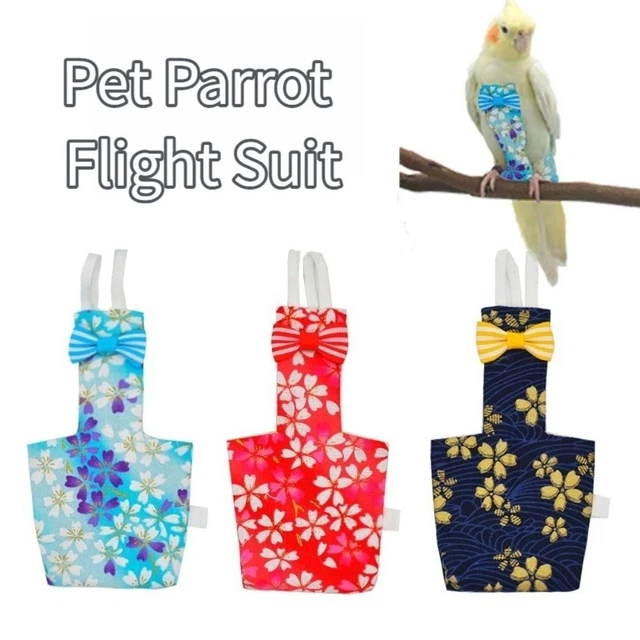
Credit: picclick.com.au
Fitting And Adjustments
Fitting and adjustments are key to making clothes that birds can wear comfortably. Clothes must fit well without restricting movement. Adjustments help the garment sit right and keep the bird safe. Careful fitting avoids stress and injury for your feathered friend.
Ensuring Comfort And Safety
Choose soft, lightweight fabrics that breathe well. Avoid tight bands or straps that squeeze the bird’s body. Check for any rough edges or loose threads that could cause harm. The clothes should allow full wing and leg movement. Test the fit gently and watch the bird’s reaction.
Making Easy Alterations
Start with simple changes like tightening or loosening straps. Use Velcro or small buttons for quick adjustments. Add elastic bands for stretch and flexibility. Trim excess fabric to prevent snagging. Keep the design simple to make future fixes easier.
Frequently Asked Questions
How Do I Measure My Bird For Clothes?
Use a soft tape to measure your bird’s chest, neck, and length. Ensure the bird is calm for accuracy. These measurements help create comfortable, well-fitting clothes.
What Materials Are Best For Bird Clothing?
Choose lightweight, breathable fabrics like cotton or fleece. Avoid heavy or rough materials that may irritate the bird’s skin or feathers. Soft fabrics ensure comfort and safety.
How Can I Ensure Bird Clothes Are Safe?
Avoid tight stitching and small parts that birds can swallow. Use non-toxic, bird-safe fabrics and fasteners. Always supervise your bird when wearing clothes to prevent accidents.
What Tools Do I Need To Make Bird Clothes?
Basic tools include fabric scissors, needle, thread, measuring tape, and bird-safe fabric. Optional tools are sewing machine and Velcro for easy fastening. These tools help create precise, secure clothing.
Conclusion
Creating clothes for a bird involves creativity and care. Always prioritize the bird’s comfort and safety. Use soft fabrics to prevent harm to their feathers. Measure accurately for a good fit. Ensure freedom of movement. Avoid tight or restrictive designs.
Choose colors that don’t stress the bird. Check for small parts that could be swallowed. Regularly inspect for wear and tear. Engage with your bird gently during fittings. Enjoy the bonding experience. Crafting clothes can be a fun project for you and a friend.
Make sure your feathered companion stays happy and healthy in its new attire.