

Are you ready to unleash your creativity and add a touch of handmade charm to your home? Imagine a delightful flock of cloth birds, each crafted with care and personalized flair.
These charming decorations can brighten any space, serve as heartfelt gifts, or even become a fun, shared project with family and friends. In this guide, you’ll discover how to make cloth birds with ease, whether you’re a seasoned crafter or just starting.
You’ll find that creating these little wonders can be both relaxing and rewarding. So, gather your fabric scraps and sewing kit, and let’s explore how you can transform simple materials into beautiful, handcrafted birds. Keep reading to uncover the secrets of this delightful craft and see how you can bring your own cloth birds to life with personality and style!
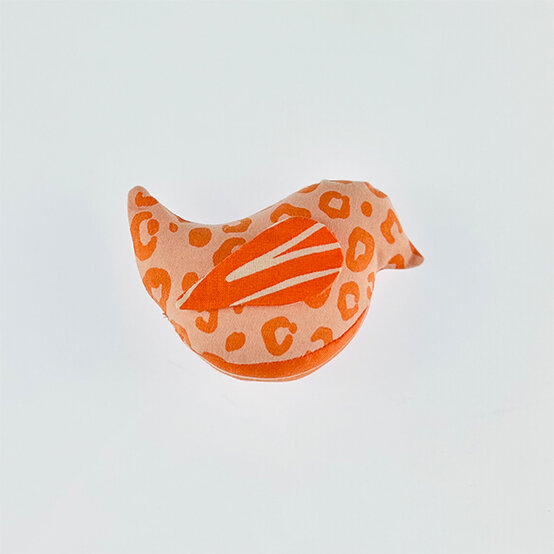
Credit: www.hobbycraft.co.uk
Choosing Materials
Choosing the right materials shapes the entire cloth bird project. The texture, color, and durability of the fabric you select will define the final look and feel of your creation. Are you aiming for a soft, cuddly bird or a decorative, sturdy piece? Your choice will guide you through the rest of the process.
Best Fabrics For Cloth Birds
Natural fabrics like cotton and linen are popular for their ease of use and breathability. They hold stitches well and come in countless colors and patterns to match your vision. If you want a plush, velvety feel, consider using fleece or felt—they add a cozy texture and are forgiving when cutting shapes.
For more durable birds, canvas or denim can be great, but they require sharper needles and a bit more effort to sew. Lightweight silks or satins can make elegant birds but can be slippery and tricky to handle. Always test a small piece of fabric first to see how it behaves under your sewing tools.
Tools And Accessories Needed
Having the right tools makes your sewing process smoother and more enjoyable. Essential items include sharp fabric scissors, sewing needles, and pins to hold pieces together before stitching. A good quality thread matching your fabric color is also vital to keep seams strong and invisible.
You might find a seam ripper handy for correcting mistakes without damaging your fabric. Stuffing material such as polyester fiberfill will give your bird shape and volume. Finally, consider adding small embellishments like buttons or embroidery floss to give your bird personality and charm.
Cutting And Preparing Fabric
Cutting and preparing fabric is a crucial phase in making cloth birds. How you shape your fabric affects the final look and durability of your bird. Precision at this stage saves you time and frustration later on.
Creating Templates
Start by designing or finding a simple bird pattern. You want clear outlines for the body, wings, and beak. Use cardboard or thick paper to make templates that won’t bend easily.
Having sturdy templates helps maintain consistent shapes when you cut multiple pieces. I once skipped this step and ended up with uneven wings that looked off-balance. Don’t let that happen to your project.
Trace your templates onto the fabric using a fabric pen or tailor’s chalk. This makes cutting easier and more accurate.
Fabric Cutting Tips
Choose sharp fabric scissors to get clean edges without fraying. Dull scissors can ruin delicate materials and make cutting frustrating.
Pin the fabric layers together before cutting if you plan to cut multiple pieces at once. This keeps everything aligned perfectly. Have you ever cut one piece only to realize the others are slightly different? Pins prevent that problem.
Cut slowly and follow your traced lines carefully. Avoid rushing, as uneven cuts can affect how well your bird pieces fit together.
- Cut on a flat, stable surface for the best control.
- Keep your fabric smooth and wrinkle-free while cutting.
- Double-check your pattern placement to use fabric efficiently and reduce waste.
Preparing fabric this way sets a solid foundation. Are your scissors ready for a smooth cut?
Sewing And Assembling
Sewing and assembling cloth birds is the heart of this craft. It brings your fabric pieces to life. Careful stitching and proper shaping create a charming bird figure. Patience and attention to detail make all the difference.
Basic Stitch Techniques
Start with simple stitches to join fabric parts. The running stitch is easy and effective. Use small, even stitches to keep seams strong.
- Backstitch: Great for durability and neat edges.
- Whipstitch: Useful for closing small openings.
- Slip stitch: Ideal for hidden seams.
Choose thread color that matches your fabric. Keep tension steady to avoid puckering. Practice on scrap fabric before working on your bird.
Stuffing And Shaping
Stuffing gives your cloth bird volume and a soft feel. Use polyester fiberfill or cotton for stuffing. Add small amounts at a time to avoid lumps.
- Fill the wings and body evenly.
- Use a pencil or chopstick to push stuffing into small parts.
- Shape the bird gently as you go.
Check the shape often to maintain smooth curves. Close the opening with neat stitches after stuffing. A well-stuffed bird holds its shape and looks lively.

Credit: m.youtube.com
Adding Finishing Touches
Adding finishing touches to your cloth birds is where your creation truly comes to life. This stage lets you express your personal style and creativity, making each bird unique. Small details can turn a simple cloth bird into a charming piece that captures attention and tells a story.
Decorative Features
Think about adding tiny beads or buttons for eyes to give your bird character. Embroidering delicate patterns on the wings can add texture and depth without overwhelming the design.
Use fabric paint or markers to highlight feathers or add subtle color gradients. Don’t forget about adding small feathers or fabric scraps for tails and crests to enhance realism and flair.
- Attach a thin ribbon or lace around the neck for a playful accessory
- Use glitter glue sparingly to add sparkle to specific areas
- Stitch on small patches or appliques to reflect your style
Have you noticed how a single bead can change the whole personality of your bird? Experiment with different combinations until your bird feels just right.
Displaying Your Cloth Birds
Once your cloth birds are finished, think about how you want to show them off. Displaying them well can highlight your craftsmanship and make your work a conversation starter.
Consider placing your birds on small stands or mounting them inside shadow boxes. This not only protects your work but also creates a mini art piece that fits any room decor.
Try grouping several cloth birds together for a vibrant display—vary sizes and colors for visual interest. You can also hang them from a mobile or string them along a decorative garland to add movement and charm.
Where will you place your cloth birds to make them stand out best? Finding the perfect spot can be as rewarding as making the birds themselves.
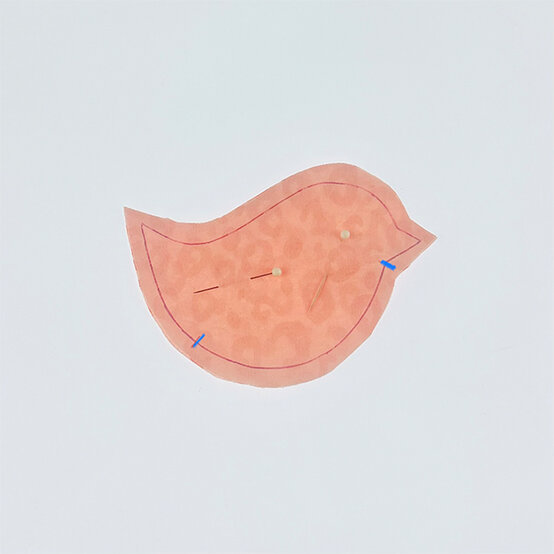
Credit: www.hobbycraft.co.uk
Frequently Asked Questions
What Materials Do I Need To Make Cloth Birds?
You need fabric, scissors, needle, thread, stuffing, and optional embellishments. Choose lightweight, colorful fabric for a vibrant look.
How Do I Sew Cloth Birds Step-by-step?
Cut fabric pieces, sew edges inside out, stuff with filling, then hand-stitch the opening closed carefully.
Can Beginners Easily Make Cloth Birds?
Yes, cloth birds are simple and fun for beginners. Basic sewing skills and patience are enough.
How Can I Decorate Cloth Birds Creatively?
Use buttons, embroidery, beads, or fabric paint to add unique details and personality to your cloth birds.
Conclusion
Making cloth birds is a fun and creative hobby. You only need a few materials and some patience. Each bird you make can be unique and special. It brings joy to see your work take shape. You can use these birds to decorate your home.
Kids also enjoy helping with simple steps. Keep practicing to improve your skills. Enjoy the process and share your creations with friends. This craft is a great way to relax and express yourself. Try making different colors and shapes for variety.