

Are you looking to attract a variety of beautiful birds to your garden? Making bird suet balls is a fantastic way to do just that.
Not only are these little treats a delight for birds, but they also provide essential nutrients, especially during colder months. Imagine watching vibrant feathered visitors fluttering around your backyard, all thanks to the irresistible suet balls you’ve crafted with your own hands.
This simple, enjoyable activity can transform your garden into a lively bird sanctuary. Ready to discover how to make these avian delights and transform your outdoor space? Let’s dive in and get started!
Credit: www.food.com
Ingredients For Suet Balls
Choosing the right ingredients is key to making perfect bird suet balls. Birds need energy-rich food to stay active, especially in cold weather. Using the right fats and seeds helps attract a variety of birds to your garden. Safe ingredients keep birds healthy and happy.
Essential Fats And Seeds
Suet balls require solid fats to hold the mix together. Use beef suet or vegetable shortening as a base. These fats provide high energy for birds during winter. Seeds add texture and nutrition. Popular seeds include:
- Sunflower seeds
- Millet
- Nyjer (thistle)
- Safflower seeds
Seeds offer essential oils and proteins that birds need daily.
Adding Nuts And Fruits
Nuts add crunch and extra protein. Use chopped peanuts, walnuts, or almonds. Fruits provide natural sweetness and vitamins. Dried fruits work best as fresh ones spoil quickly. Try raisins, cranberries, or chopped apples. These ingredients attract more bird species.
Safe Ingredients For Birds
Not all ingredients are safe for birds. Avoid anything salty, sugary, or processed. Do not use chocolate, onions, or garlic. These can harm birds. Stick to natural, fresh, or dried ingredients. Keep the mix free of mold and spoilage. This ensures birds stay healthy while enjoying your suet balls.

Credit: www.willyswilderness.org
Step-by-step Preparation
Making bird suet balls is a rewarding way to support local wildlife, especially during colder months when natural food sources are scarce. The process is simple, and with a little care, you can create nutritious treats that attract a variety of birds to your garden. Here’s how to prepare them step-by-step, ensuring your suet balls hold together well and offer maximum appeal.
Melting And Mixing Fats
Start by melting your fat base, which can be suet, lard, or even vegetable shortening. Use a double boiler or a microwave-safe bowl to gently heat the fat until it turns liquid but does not boil. Keep an eye on it; overheating can ruin the texture and nutritional value.
Once melted, stir the fat to create an even consistency. This is the foundation that will bind your dry ingredients together, so make sure it’s smooth and free of lumps. Have you noticed how the smell of warm fat can fill your kitchen? It’s a subtle reminder that you’re crafting something special for the birds.
Incorporating Dry Ingredients
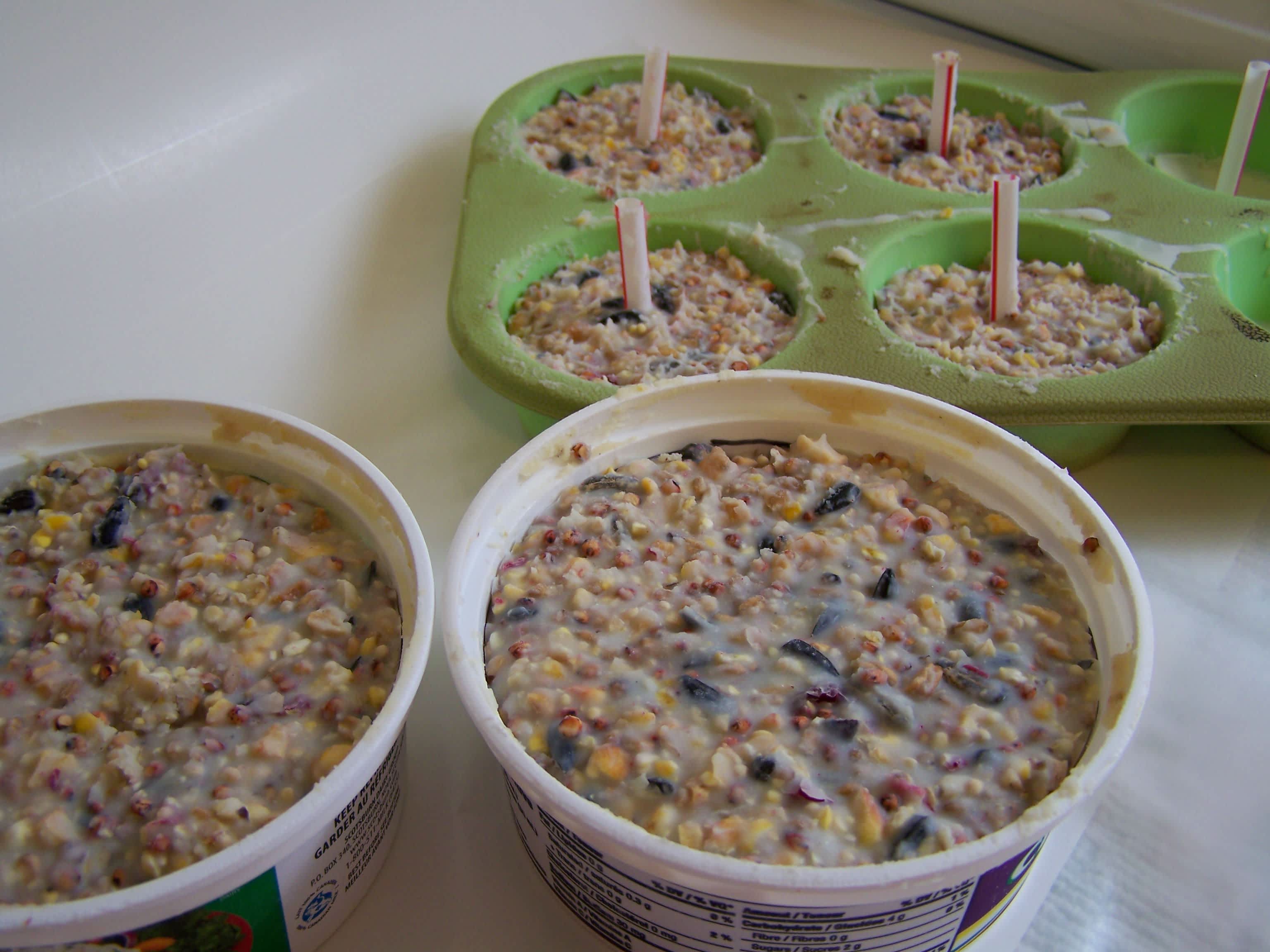
Next, add your dry ingredients into the melted fat. These usually include birdseed mixes, oats, cornmeal, and sometimes crushed nuts or dried fruits. Pour them gradually, mixing well after each addition to ensure everything is evenly coated.
Don’t rush this step—thorough mixing prevents the seeds from clumping or falling apart once the suet hardens. Think about the variety of birds you want to attract and tailor the ingredients accordingly. Have you tried adding sunflower seeds or mealworms to boost protein?
Shaping And Cooling
Once your mixture is ready, it’s time to shape the suet balls. You can use your hands or a small ice cream scoop to form compact balls that hold their shape. Press firmly to avoid crumbly results.
Place the balls on a tray lined with parchment paper and refrigerate until they solidify, usually for a few hours. If you want to store them longer, freeze the suet balls and take them out as needed. Have you considered hanging them in mesh bags? It’s a neat trick to keep squirrels at bay while letting birds enjoy the feast.
Tips For Feeding Birds
Feeding birds with suet balls can bring joy and help local wildlife. Proper feeding encourages birds to visit often. Small steps make a big difference in their health and safety. Follow these simple tips to create a welcoming spot for feathered friends.
Choosing The Right Location
Place suet balls in a quiet, safe area. Birds prefer spots with some cover like trees or bushes. Avoid busy or noisy places. Keep feeders away from windows to prevent collisions. A shaded spot protects suet from melting too fast. Change the location if predators appear nearby.
Seasonal Feeding Advice
Feed suet balls mostly in colder months. Birds need extra energy in winter to stay warm. Stop feeding during hot summer days to avoid spoiling. Offer a mix of foods in spring and fall. Fresh water nearby helps birds drink and clean.
Avoiding Common Mistakes
- Do not overfill feeders; birds eat what is fresh.
- Clean feeders regularly to stop mold and bacteria.
- Avoid using suet with artificial additives or salt.
- Keep pets away from feeding areas.
- Watch for signs of sick birds and pause feeding if needed.

Credit: www.youtube.com
Benefits Of Homemade Suet
Making suet balls at home offers many benefits for both birds and bird lovers. Homemade suet is fresh, healthy, and tailored for local wildlife. It also saves money and allows control over ingredients. This section explains why homemade suet is a great choice.
Nutritional Advantages
Homemade suet provides high energy and essential nutrients. Birds need fats to survive cold weather and stay active. You can add seeds, nuts, and dried fruits for extra vitamins. Avoid harmful additives found in some store-bought suet. Homemade balls keep birds strong and healthy.
Supporting Local Wildlife
Homemade suet helps local bird species thrive. Feeding birds supports their natural diet and habits. You can choose ingredients that attract native birds. This creates a safe food source during tough seasons. Watching birds enjoy your suet is rewarding and fun.
Cost-effectiveness
Making suet balls at home costs less than buying pre-made ones. Ingredients like lard and seeds are affordable and last long. You control the portion size and reduce waste. Homemade suet is an easy way to feed more birds on a budget.
Frequently Asked Questions
What Ingredients Are Needed For Bird Suet Balls?
You need suet or lard, birdseed mix, and optional nuts or dried fruits. These provide essential fats and nutrients for wild birds, especially in winter. Mixing these creates energy-rich balls that attract and nourish various bird species in your garden.
How Do You Shape And Store Suet Balls?
Mix ingredients until combined, then roll into balls about 2 inches wide. Chill them in the fridge for at least an hour to firm up. Store suet balls in an airtight container in a cool place or freezer to keep them fresh longer.
When Is The Best Time To Feed Birds Suet Balls?
Feed suet balls mainly in winter when natural food is scarce. Birds need extra energy to survive cold temperatures. Avoid feeding in hot weather as suet can melt and spoil quickly, potentially harming birds.
Which Birds Are Attracted To Suet Balls?
Common visitors include woodpeckers, chickadees, nuthatches, and titmice. These birds rely on high-energy foods during colder months. Suet balls help attract diverse backyard birds, enhancing your garden’s wildlife activity.
Conclusion
Making bird suet balls is simple and fun. You can feed birds healthy food all year. Use basic ingredients like fat and seeds. Mix and shape the balls with care. Hang them where birds visit your garden. Watch different birds enjoy the treats.
This small act helps nature and brings joy. Try making your own suet balls soon. Enjoy the beauty of birds close by. It’s a great way to connect with wildlife.