
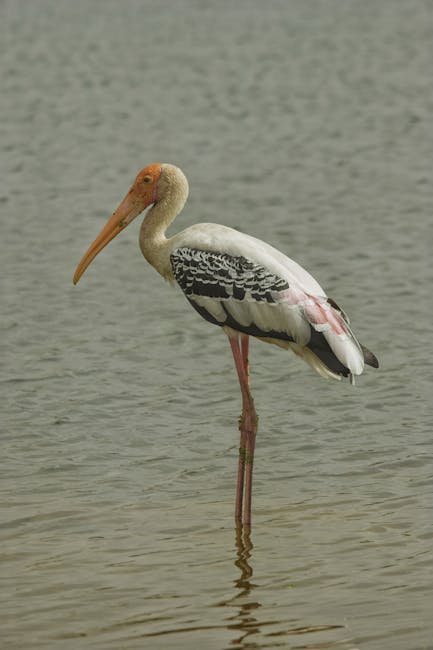
Are you looking for a fun and rewarding way to bring more birds to your backyard? Imagine watching colorful birds flock to your garden, chirping happily as they enjoy a treat you made just for them.
Making bird food cakes is easier than you might think, and it’s a great way to support local wildlife. In this guide, you’ll discover simple steps to create these delightful treats, turning your yard into a haven for feathered friends.
Get ready to transform your outdoor space and enjoy the beauty of nature right from your window. Curious how it’s done? Let’s dive in and uncover the secrets to crafting bird food cakes that’ll have your feathered visitors coming back for more!

Credit: seabrookeleckie.com
Choosing Ingredients
Choosing the right ingredients is essential when making bird food cakes. The goal is to create a mix that attracts a variety of birds while keeping them safe and healthy. Your choices will affect not only which birds visit but also how often they return to your feeder.
Safe Seeds And Grains
Pick seeds and grains that are natural and commonly eaten by local birds. Sunflower seeds, millet, and cracked corn are popular choices that most birds enjoy. Avoid using seeds that might be spoiled or moldy, as they can harm your feathered visitors.
Think about the birds in your area: do you see more finches or sparrows? Tailoring your seed mix can make your bird food cakes more attractive. Small seeds like nyjer are perfect for tiny songbirds, while larger seeds can attract woodpeckers and jays.
Adding Nutritional Boosters
Adding extras like nuts, dried fruits, or even a bit of peanut butter can give your bird cakes a nutritional edge. These ingredients provide healthy fats and proteins that many birds need, especially during colder months. I once added chopped unsalted peanuts to my mix, and the variety of visitors increased noticeably within days.
Consider mixing in some oats or shredded coconut for extra energy. These boosters also help bind the cake together, making it easier for birds to feed. What unique ingredients could you add to support the local bird population?
Avoiding Harmful Components
Stay clear of anything toxic or overly processed. Ingredients like chocolate, salt, or artificial sweeteners can be dangerous to birds. Even some bread or dairy products can cause digestive issues and should be avoided.
It’s easy to overlook certain additives, but always double-check labels if you’re using packaged items. Your birds rely on you to keep their food safe. Have you ever noticed a bird avoiding certain feeders? It might be a sign the ingredients aren’t suitable.

Credit: littlesproutslearning.co
Preparing The Mixture
Preparing the mixture is a key part of making bird food cakes. This step ensures the ingredients bind well and hold together. The texture must be just right to attract birds and keep the cake intact. Follow these simple guidelines to create a perfect base for your bird cake.
Melting And Mixing Fats
Start by melting the fats slowly over low heat. Use fats like suet, lard, or coconut oil. Stir gently until fully melted. Avoid overheating, as it can damage the nutrients. Once melted, remove from heat and let it cool slightly.
Combining Dry Ingredients
Gather the dry ingredients such as seeds, nuts, oats, and grains. Mix them evenly in a large bowl. This ensures every bite has a variety of flavors and nutrients. Stir well to spread the ingredients before adding the melted fat.
Ensuring Proper Consistency
Pour the melted fat slowly into the dry mix. Stir continuously to coat all ingredients. The mixture should be sticky but not too wet. It must hold shape when pressed. Adjust by adding more dry ingredients or fat as needed.
Shaping And Setting Cakes
Shaping and setting bird food cakes is an important step to ensure they hold together well. The right shape makes the cakes easy to hang or place outside. Proper setting helps the ingredients bind tightly for lasting use. Follow these tips to create solid, attractive bird food cakes that birds will enjoy.
Using Molds And Containers
Choose molds or containers based on the cake size you want. Small containers work well for individual cakes. Large molds can create bigger cakes for multiple birds. Silicone molds release cakes easily without breaking. You can also use cleaned yogurt cups or small tins.
- Lightly grease molds for easier removal
- Press the mixture firmly to avoid cracks
- Fill molds evenly for uniform thickness
Cooling And Hardening Tips
Cool cakes at room temperature first to prevent cracking. Avoid direct sunlight or heat which can melt the fat. Once firm, place cakes in the fridge to harden fully. Cooling time varies but usually takes 2–4 hours. Hardening keeps the cake shape and makes it durable outdoors.
Storage Recommendations
Store bird food cakes in a cool, dry place before use. Wrap cakes in parchment paper or place in airtight containers. Avoid moisture to prevent mold growth. Use cakes within two weeks for best freshness. For longer storage, freeze the cakes and thaw before hanging.

Credit: littlesproutslearning.co
Feeding And Attracting Birds
Feeding and attracting birds with homemade bird food cakes can turn your outdoor space into a lively sanctuary. It’s not just about hanging the cake and waiting; where and how you place your food plays a huge role in which birds visit and how often. Getting these details right makes your efforts more rewarding and enjoyable.
Best Feeding Locations
Choose spots that offer safety and visibility. Birds prefer feeding areas near natural cover like shrubs or trees where they can quickly escape from predators.
A location that gets morning sunlight encourages early visits since many birds feed early in the day. Avoid placing cakes too close to busy walkways or noisy areas to keep birds comfortable.
- Near bushes or hedges for quick shelter
- On a sturdy platform feeder visible from a window
- Under partial shade to prevent the food from spoiling fast
Seasonal Considerations
Seasons affect bird behavior and their feeding needs. During colder months, birds need more energy, so richer food cakes with seeds high in fat attract more visitors.
In spring and summer, birds may prefer lighter cakes with more seeds and less fat as they focus on breeding and feeding their young. You might also notice different species showing up depending on migration patterns.
Adjust your ingredients and feeding schedule to match these seasonal changes for better results.
Monitoring Bird Visits
Keep a simple journal or take photos to track which birds come and how often. This helps you understand what’s working and when to refresh or change your bird food cakes.
Watching quietly from a distance can reveal unexpected visitors and behaviors you might miss otherwise. Are certain cakes attracting more vibrant birds? Are visits dropping off?
Use these insights to tweak your location and recipe, creating a personalized bird feeding experience that keeps your feathered friends coming back.
Frequently Asked Questions
What Ingredients Are Best For Homemade Bird Food Cakes?
Use a mix of birdseed, suet or peanut butter, and oats. These ingredients attract various birds and provide essential nutrients for energy and health. Avoid salted or flavored items to keep it safe for birds.
How Do You Shape And Mold Bird Food Cakes?
Mix ingredients until sticky, then press firmly into molds or containers. Silicone molds, muffin tins, or even cupcake liners work well. Let them set in the fridge until firm to maintain shape.
When Is The Best Time To Feed Bird Food Cakes?
Feed bird food cakes during colder months or early morning. Birds need extra energy to stay warm and active. Avoid feeding in hot weather to prevent spoilage and mold growth.
How Do You Store Homemade Bird Food Cakes Safely?
Store bird food cakes in an airtight container in the fridge. This keeps them fresh and prevents spoilage. Use within two weeks for best quality and to avoid attracting pests.
Conclusion
Making bird food cakes is simple and fun. You only need a few ingredients and some time. These cakes help feed birds, especially in cold weather. Watching birds enjoy your cakes feels rewarding. Try different seeds and shapes for variety.
Keep the cakes fresh and dry for best results. With practice, you can create tasty treats for many birds. This small effort brings nature closer to your home. Give it a try and enjoy bird watching like never before.