
Are you looking for a simple way to attract more birds to your garden? Making your own bird food blocks can be a fun and rewarding activity.
Not only will you enjoy watching a variety of birds visit your yard, but you’ll also be providing them with essential nutrients. Imagine sipping your morning coffee while colorful birds chirp and flutter around, all thanks to the nourishing food blocks you made yourself.
Curious about how easy it is to create these treats? Keep reading, and you’ll discover a step-by-step guide that will transform your backyard into a bird paradise. Plus, you’ll learn tips and tricks to make sure your bird food blocks are a success every time. Don’t miss out on turning your garden into a vibrant haven for feathered friends!
Choosing Ingredients
Choosing the right ingredients is key to making bird food blocks that birds will enjoy. The ingredients must be nutritious and safe. They should attract a variety of bird species. Using fresh and natural items helps keep birds healthy and happy.
Each ingredient plays a special role. Seeds and grains provide energy. Nuts and fruits offer essential vitamins. Binding agents hold everything together. Balancing these components creates a tasty and sturdy block.
Seeds And Grains
Seeds and grains form the base of bird food blocks. They are rich in fats and proteins. Common choices include sunflower seeds, millet, and cracked corn. These attract many types of birds, such as finches, sparrows, and chickadees.
- Sunflower seeds – high in fat, loved by most birds
- Millet – small, easy to eat for tiny birds
- Cracked corn – provides energy and variety
- Safflower seeds – good for cardinals and grosbeaks
Nuts And Fruits
Nuts and fruits add flavor and extra nutrients. They supply vitamins and healthy oils. Use unsalted, raw nuts like peanuts or walnuts. Dried fruits such as raisins or cranberries work well. Avoid sugary or processed fruits.
- Peanuts – rich in protein, loved by woodpeckers
- Walnuts – provide healthy fats
- Raisins – natural sweetness and energy
- Cranberries – antioxidants and color variety
Binding Agents
Binding agents keep the ingredients together. They create a solid block that lasts longer. Common binders include natural peanut butter and suet. Avoid artificial binders or anything harmful to birds.
- Natural peanut butter – sticky and nutritious
- Suet – animal fat that hardens well
- Lard – another fat option, but less healthy
- Gelatin (optional) – helps solidify the mixture

Credit: www.familyhandyman.com
Preparing The Mixture
Preparing the mixture is the key step in making bird food blocks. The right blend ensures the blocks hold together and attract birds. Careful measuring and mixing create a consistent and nutritious mix.
Focus on combining ingredients evenly. This helps the block stay solid and tasty for birds.
Measuring Ingredients
Use a kitchen scale or measuring cups for accuracy. Precise amounts keep the texture right. Too much oil or fat can make the block too soft. Too little makes it crumbly.
- Measure seeds, grains, and nuts carefully.
- Use solid fats like suet or lard in proper quantities.
- Keep dry ingredients and fats balanced.
Exact measuring helps the mixture bind well. It also keeps the nutrition balanced for birds.
Mixing Techniques
Start by combining dry ingredients in a large bowl. Stir seeds, grains, and nuts until evenly spread. Add fats slowly while stirring. Use a spoon or your hands for thorough mixing.
- Mix until the fats coat all dry ingredients.
- Press the mixture together to test consistency.
- Add small amounts of fat if mixture feels too dry.
Good mixing prevents the block from falling apart. It also helps the block hold shape after cooling.
Molding And Setting
The molding and setting phase is where your bird food mixture transforms from a loose blend into a solid block that birds can easily peck at and enjoy. This stage requires some attention to detail because the right mold and proper cooling process will ensure your blocks hold together well and last longer outdoors.
Selecting Molds
Choosing the right mold can make a big difference in the shape, size, and durability of your bird food blocks. You want molds that are easy to fill and release without breaking the block.
Common options include:
- Silicone baking molds – flexible and non-stick, great for intricate shapes.
- Small plastic containers – sturdy and reusable, ideal for uniform blocks.
- Cardboard molds lined with parchment paper – inexpensive and biodegradable, but watch for moisture absorption.
Think about your birds’ preferences. Do they prefer hanging blocks or ones placed on flat surfaces? Your mold choice should fit how you plan to display the blocks.
Cooling And Hardening
After packing your mixture into molds, cooling is essential to help the blocks solidify properly. You can leave them at room temperature, but putting them in the fridge speeds up the process and helps the fats set evenly.
A good trick is to let blocks sit for at least 4 hours or overnight. This ensures they harden fully and won’t crumble when handled.
Have you noticed some blocks becoming too soft in warm weather? This often means the cooling wasn’t sufficient or the fat content is too high. Adjusting these factors will help your blocks stay firm longer.

Credit: www.youtube.com
Storing And Feeding
Proper storing and feeding of bird food blocks are essential to keep your feathered friends healthy and happy. How you store these blocks affects their freshness, while the way you feed them ensures safety and enjoyment for the birds. Let’s look at practical tips that you can apply right away to make a difference.
Storage Tips
Store your bird food blocks in a cool, dry place to prevent mold and spoilage. Avoid direct sunlight, which can cause the fats in the blocks to go rancid quickly.
Use airtight containers or resealable plastic bags to keep moisture and pests out. Label each container with the date you made or bought the blocks to track freshness easily.
Have you noticed how quickly bird food can lose its appeal? Keeping the blocks fresh not only extends their shelf life but also maintains their nutritional value, which your birds depend on.
Safe Feeding Practices
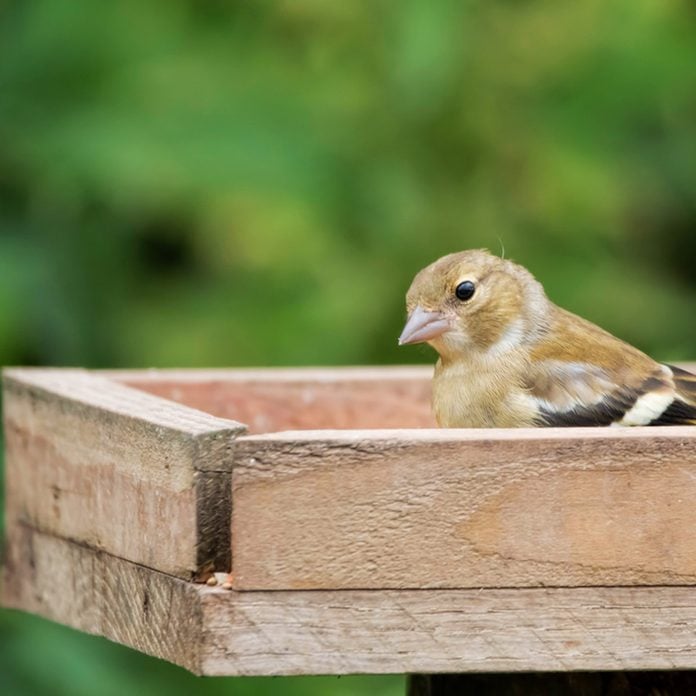
Place bird food blocks on clean feeders or hangers to keep them off the ground and away from dirt. This reduces the risk of contamination and keeps your garden tidy.
Offer the blocks in moderation to avoid overfeeding. Too much food can attract unwanted pests or cause health issues for the birds.
Observe your birds while they feed. If you see any signs of illness or if the blocks become moldy or overly soft, remove them immediately. Your quick action can prevent health problems before they start.
Credit: www.familyhandyman.com
Frequently Asked Questions
What Ingredients Are Best For Homemade Bird Food Blocks?
Use seeds, nuts, dried fruits, and suet or lard. These ingredients provide energy and nutrients for birds. Avoid salty or sugary additives to keep it safe for wildlife.
How Do You Bind Ingredients For Bird Food Blocks?
Melt suet or lard to bind dry ingredients. Mix well and press into molds. Let it cool and harden before feeding to birds.
Can Bird Food Blocks Attract Different Bird Species?
Yes, diverse ingredients attract various species. Sunflower seeds attract finches, peanuts draw woodpeckers, and suet is loved by insect-eaters. This variety supports local bird diversity.
How Often Should I Replace Bird Food Blocks?
Replace bird food blocks every 1-2 weeks or when consumed. Regular replacement prevents mold and keeps food fresh for birds.
Conclusion
Making bird food blocks is simple and fun. Use basic ingredients like seeds, nuts, and fat. Mix them well and press into molds. Let the blocks harden before placing them outside. Birds will enjoy this tasty treat in your garden.
You help them stay healthy and happy. Plus, you get to watch them up close. Try different seeds to see what birds prefer. This small effort makes a big difference for local wildlife. Give it a try and enjoy nature’s visitors every day.