
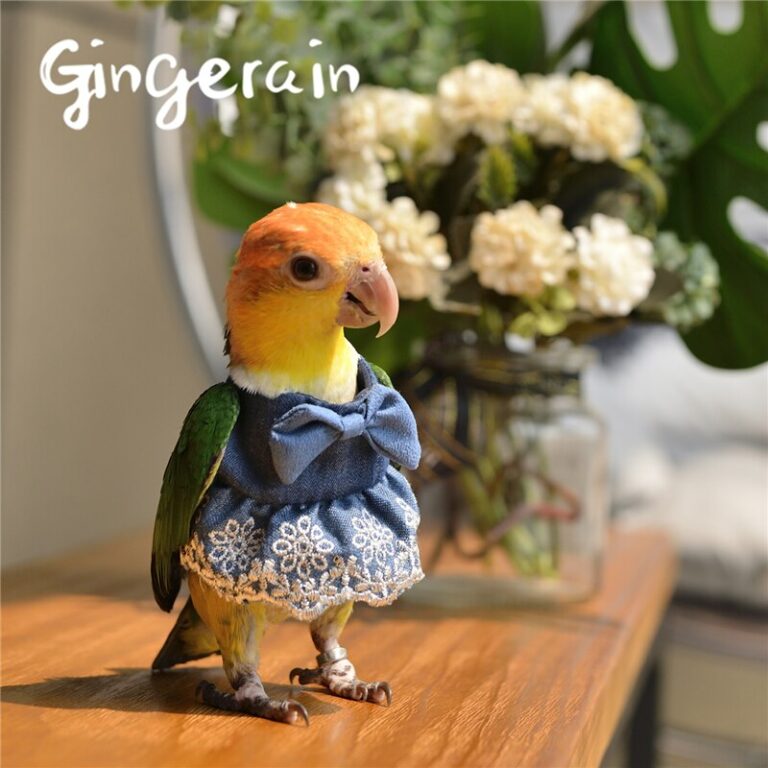
Ever looked at your feathered friend and thought they could use a little wardrobe upgrade? Whether it’s to keep your bird warm, protect their feathers, or simply for fun, making bird clothes can be a delightful endeavor.
Imagine crafting a tiny vest or a colorful cape that not only enhances your bird’s look but also strengthens your bond with them. You’re about to discover how easy and enjoyable it is to create these adorable garments, even if you don’t consider yourself a crafty person.
Dive into the world of bird fashion and unleash your creativity. You’re not just making clothes; you’re making memories and bringing joy to both you and your feathered companion. Ready to get started? Keep reading to find out how to transform your bird into the best-dressed pet on the block!
Choosing The Right Materials
Choosing the right materials is the first step to making comfortable and safe clothes for birds. The materials must be soft, non-toxic, and lightweight. Birds have delicate skin and feathers, so harsh or heavy fabrics can hurt them. Picking the right supplies ensures the clothes fit well and last long.
Safe Fabrics For Birds
Always pick fabrics that are gentle and breathable. Natural fibers are best. Cotton and fleece are soft and easy to clean. Avoid synthetic materials that might irritate the bird’s skin. Stay away from fabrics with loose threads or small parts. These can cause choking or injury.
- 100% cotton
- Soft fleece
- Linen
- Lightweight wool
Do not use fabrics with dyes that could be toxic. Test a small piece first to check for any allergic reactions.
Essential Tools And Supplies
Having the right tools makes the process easier and safer. Use sharp scissors to cut fabric precisely. A sewing needle and thread help create strong seams. Velcro or small buttons provide easy closures. Measuring tape is important to get the perfect size. Include soft padding to protect the bird’s skin.
- Fabric scissors
- Needle and thread
- Velcro strips or small buttons
- Measuring tape
- Soft padding or lining
Keep tools clean to avoid infections. Store supplies in a safe place away from pets.

Credit: www.amazon.sg
Simple Patterns For Bird Clothing
Creating bird clothes can be simple and fun with easy-to-follow patterns. Simple patterns make sewing faster and more enjoyable. They also ensure the clothes fit well and keep your bird comfortable. Starting with basic designs helps you learn the process without stress. Experimenting with simple shapes and cuts lets you adjust for different bird sizes and styles. These patterns provide a great foundation for customizing clothes later.
Measuring Your Bird
Accurate measurements are key to making bird clothes that fit. Use a soft tape measure or a piece of string for this task. Measure gently to avoid stressing your bird.
- Neck circumference: Measure around the base of the neck.
- Chest width: Measure around the widest part of the chest.
- Back length: Measure from the base of the neck to where the tail starts.
- Wing length: Measure from the shoulder to the tip of the wing.
Write down each measurement clearly. These numbers will guide the pattern size and shape.
Basic Pattern Designs
Start with simple shapes like rectangles and circles. These shapes make cutting fabric easy. Use soft, lightweight fabric for comfort.
- Vest style:A rectangle for the back with two smaller rectangles for the sides. Sew together leaving space for wings.
- Wrap-around style:A long strip that wraps around the bird’s body and fastens with Velcro or snaps.
- Hooded style:Combine a small rectangle for the body with a rounded piece for the head.
Draw these shapes on paper first. Cut fabric according to these templates. Keep seams small and neat for a clean finish. Simple patterns help you focus on fit and comfort before trying complex designs.
Step-by-step Sewing Guide
Creating bird clothes can be a fun and creative project. A step-by-step sewing guide helps you craft outfits that fit comfortably. This guide covers key stages from cutting fabric to adding the final touches. Follow these simple instructions for a neat and charming result.
Cutting And Stitching Tips
Start with soft, lightweight fabric to keep birds comfortable. Use sharp scissors for clean, precise cuts. Trace the pattern on fabric with a pencil for accuracy.
- Cut slightly larger than the pattern to allow seam allowance.
- Pin fabric layers together to avoid shifting while sewing.
- Use small, tight stitches to ensure durability.
- Sew slowly to maintain control and neat edges.
- Trim excess fabric near seams to reduce bulk.
Turn the fabric inside out after stitching to hide seams. Press edges with a warm iron for a smooth finish.
Adding Fasteners And Embellishments
Choose fasteners that are safe and easy to use, like Velcro or small snaps. Sew them securely to avoid discomfort or loose parts.
- Place fasteners where they won’t press on the bird’s body.
- Use small buttons or hooks for a classic look.
- Add simple embellishments such as tiny bows or fabric flowers.
- Avoid heavy decorations that could weigh down the outfit.
- Check all additions for sharp edges or loose threads.
Keep decorations minimal to allow freedom of movement. Ensure every part is bird-friendly and well attached.

Credit: csds-group.com
Caring For Bird Clothes
Caring for bird clothes is just as important as making them. Proper care helps your feathered friend stay comfortable and safe while keeping the clothes looking fresh. Neglecting care can lead to damaged fabric or even discomfort for your bird.
Cleaning And Maintenance
Bird clothes need gentle cleaning to avoid irritating your pet’s skin. Use mild soap and lukewarm water to hand wash the clothes. Avoid harsh detergents or bleach, as these can cause allergic reactions.
Air drying is best to prevent shrinking or damage. You might want to clean the clothes weekly or whenever they get visibly dirty. Regular checks for loose threads or tears can save you from bigger repairs later.
Ensuring Comfort And Safety
Always check that the clothes fit well without restricting movement. Too tight or too loose can cause stress or even injury. Look for any small parts like buttons or beads that your bird could swallow.
Soft, breathable fabrics are the best choice to keep your bird comfortable throughout the day. Have you noticed how birds behave differently when they wear clothes? Observing their reactions helps you adjust the fit or design to better suit their needs.

Credit: www.attachmentmummy.com
Frequently Asked Questions
What Materials Are Best For Making Bird Clothes?
Lightweight, breathable fabrics like cotton or fleece work best. Avoid heavy or stiff materials that can restrict movement. Use soft threads and non-toxic dyes to ensure bird safety and comfort while creating stylish, functional bird clothes.
How Do You Measure A Bird For Custom Clothes?
Measure the bird’s chest, neck, and wingspan carefully. Use a flexible tape to get accurate dimensions. Always allow extra room for comfort and movement. Proper measurements ensure a perfect fit and prevent any discomfort for your bird.
Can Bird Clothes Affect Bird Health Or Safety?
Yes, clothes should not restrict movement or breathing. Avoid small parts that birds can swallow. Ensure materials are non-toxic and breathable. Well-made bird clothes enhance comfort without harming health or safety.
How To Sew Bird Clothes Without Harming Feathers?
Sew around the feather areas, not through them. Use soft stitches and avoid tight seams. Feather-friendly designs prevent damage and allow natural preening. Handle birds gently during fitting to keep feathers intact.
Conclusion
Making bird clothes can be fun and simple. Choose soft, safe materials for your bird’s comfort. Measure carefully to fit your bird’s size well. Small stitches help keep the clothes strong. Always watch your bird while wearing the outfit. This keeps your pet safe and happy.
With patience, anyone can create cute bird clothes. Enjoy the process and cherish your feathered friend’s style. Try different designs to see what your bird likes. Keep it easy and fun for both of you.