

Do you dream of giving your feathered friend more room to stretch its wings? Imagine a space where your bird can play, explore, and feel at home—all without leaving your living room.
Building a big bird cage at home might sound like a daunting task, but it’s more achievable than you think. Picture your bird enjoying a custom-made sanctuary, tailored to fit both its needs and your aesthetic preferences. This DIY project not only saves you money, but also allows you to craft a unique habitat that you and your bird will love.
Dive into this guide to discover how you can create the perfect bird cage, and transform your home into a haven for your avian companion. Your journey to crafting the ideal bird environment starts here!

Credit: m.youtube.com
Choosing Materials
Choosing the right materials is the foundation for building a big bird cage that lasts and keeps your feathered friend safe. The durability, safety, and comfort of the cage depend heavily on what you select. It’s not just about strength; think about how easy it will be to clean and maintain your cage over time.
Best Wood Types
Wood provides a natural look and sturdy frame for your bird cage. Opt for hardwoods like oak, maple, or birch because they resist chewing and last longer. Avoid softwoods such as pine, which can splinter and be harmful if your bird pecks at it.
Remember, wood should be untreated or finished with bird-safe sealants. You don’t want to expose your bird to toxic chemicals. I once used cedar, thinking it smelled good, but it turned out to be harmful to birds—so always double-check your wood choice.
Safe Wire Options
Wire forms the cage’s enclosure and needs to be both strong and safe. Stainless steel wire is the top choice since it won’t rust or corrode and is tough against bird pecking. Galvanized wire can be an alternative if coated properly, but avoid any wire coated with zinc or lead.
Check the wire gauge—thicker wires (around 16 to 19 gauge) offer more strength but still allow good visibility and airflow. Can your bird’s beak fit through the gaps? If yes, choose a wire with smaller spacing to prevent escapes or injuries.
Essential Tools
Having the right tools makes building your cage smoother and safer. You’ll need a wire cutter for trimming the metal, a drill for assembling wooden parts, and a screwdriver or power driver for screws. Sandpaper or a sanding block is crucial to smooth out any rough edges on the wood.
Don’t forget safety gear—gloves protect your hands from sharp wires, and safety glasses shield your eyes during cutting. Do you have a reliable work surface? A sturdy table or workbench can make a huge difference in your project’s ease and precision.

Credit: www.indiamart.com
Building The Frame
Building the frame is the foundation of your big bird cage. A strong frame ensures safety and durability. It holds all parts together and shapes the cage. Use quality wood or metal for a sturdy structure. Take your time to get precise cuts and solid joints. Accuracy here makes the rest of the process easier and better.
Measuring And Cutting
Start by measuring the space for your bird cage. Decide the cage size based on your bird’s needs. Mark the wood or metal pieces carefully. Use a ruler and pencil for clear lines. Cut each piece with a saw or cutter suited for your material. Smooth rough edges with sandpaper to avoid splinters or sharp spots.
Assembling The Base
Lay out the cut pieces for the base on a flat surface. Check that all parts fit well before joining. Use screws or nails to connect the pieces firmly. Ensure the base is level and square. A stable base prevents wobbling and keeps your bird safe. Double-check the corners with a carpenter’s square for accuracy.
Constructing Walls And Roof
Attach vertical supports to the base for strong walls. Keep the supports evenly spaced to hold the mesh securely. Fix horizontal beams at the top for added strength. Build the roof frame to match the cage size. Choose a sloped roof for water runoff if outdoors. Secure all joints tightly to avoid gaps and movement.
Finishing Touches
Finishing touches bring your big bird cage to life. They ensure safety, comfort, and style. These final steps protect your bird and make the cage functional and attractive. Small details make a big difference in the cage’s overall quality and durability.
Adding Doors And Locks
Doors provide easy access to your bird and cage interior. Install sturdy hinges that open smoothly and stay secure. Locks keep curious pets safe inside and prevent escapes. Choose bird-safe locks that your pet cannot open. Test the doors and locks for easy operation and strong closure.
Painting And Sealing
Use non-toxic paint safe for birds. Paint adds color and protects the wood from moisture. Apply a few thin coats for even coverage. Seal the paint with a bird-safe sealant to prevent chips and scratches. Allow the paint and sealant to dry completely before use. This step helps the cage last longer and stay clean.
Installing Perches And Accessories
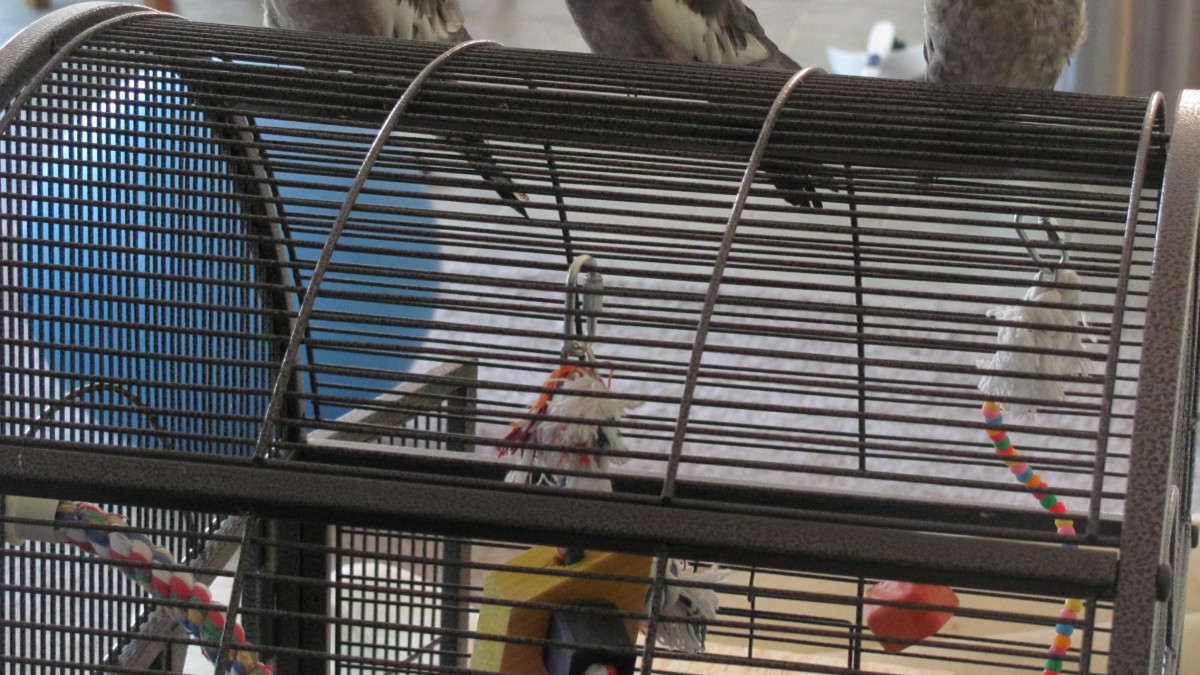
Perches provide rest and exercise spots for your bird. Use natural wood or safe materials for perches. Place perches at different heights and spots inside the cage. Add feeders and water containers within easy reach. Toys and swings keep your bird entertained and active. Secure all accessories firmly to avoid accidents.
Credit: pethelpful.com
Frequently Asked Questions
What Materials Are Needed To Build A Big Bird Cage?
You need wood or metal bars, nails, screws, mesh wire, hinges, a door latch, and non-toxic paint. Choose sturdy, bird-safe materials to ensure durability and safety for your bird.
How Do I Ensure The Cage Is Safe For Big Birds?
Use non-toxic materials, smooth all edges, and secure the mesh tightly. Avoid gaps where birds can get stuck, and provide proper ventilation and space for movement.
What Size Should A Big Bird Cage Be?
The cage should be at least twice the bird’s wingspan in width and height. Provide enough room for flying, climbing, and playing comfortably inside the cage.
Can I Customize The Cage Design For My Bird?
Yes, customize the cage with perches, toys, and feeding stations. Tailor the design to your bird’s species and activity needs for better comfort and enrichment.
Conclusion
Building a big bird cage at home is simple and rewarding. Use safe materials and plan the size carefully. Make sure the cage has enough space for your bird to move. Ventilation and easy cleaning keep your bird healthy and happy.
Take your time and follow each step closely. Your bird will enjoy its new home for years. Creating a custom cage also saves money. Enjoy the process and watch your bird thrive inside.