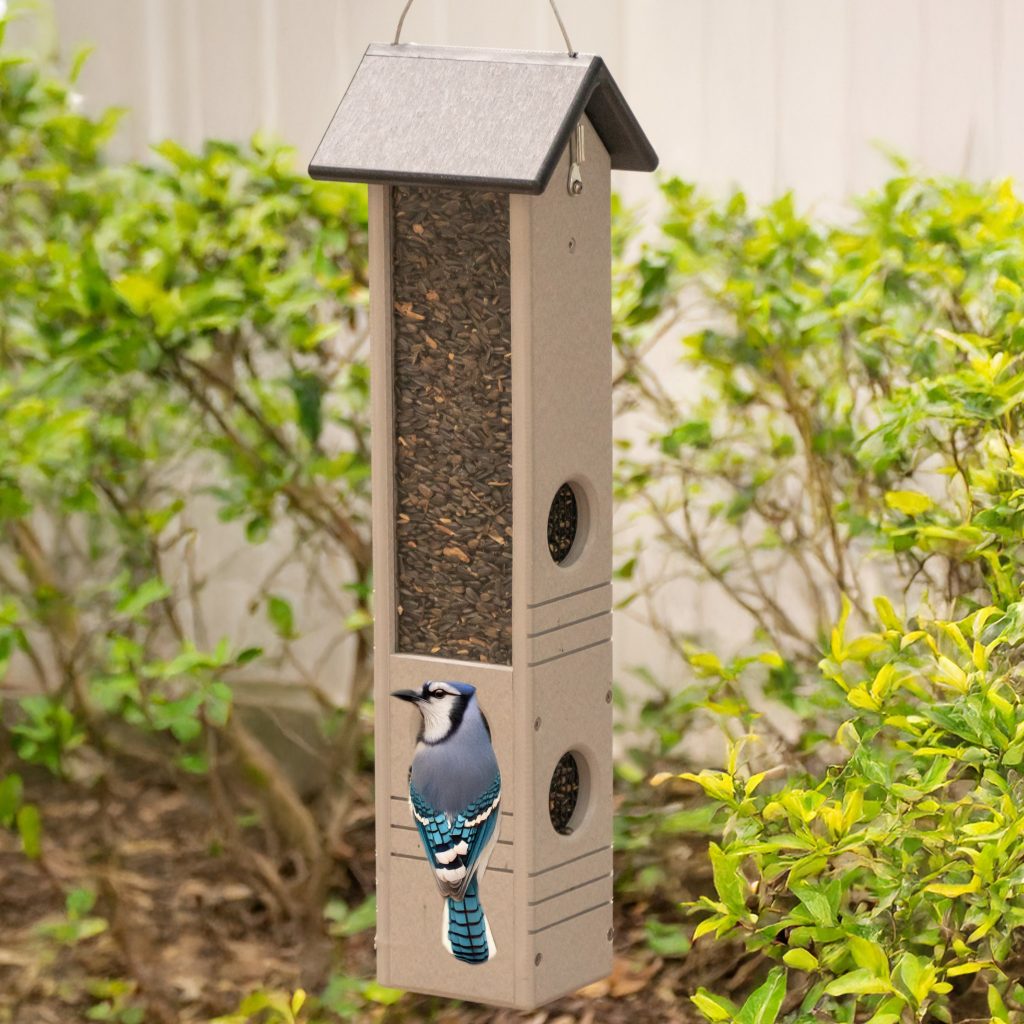
Imagine the joy of watching colorful birds fluttering right in your backyard, bringing nature closer to home. You don’t need to be an expert to create a welcoming oasis for these feathered friends.
With just a few simple steps, you can learn how to make a sunflower seed bird feeder that attracts a variety of birds while adding a touch of charm to your outdoor space. You’re about to discover a delightful DIY project that not only enhances your garden but also supports local wildlife.
This guide will show you how easy it is to craft a bird feeder using sunflower seeds, a favorite snack for many birds. Plus, it’s an engaging activity that can be enjoyed alone or with family. Curious to know how a simple bird feeder can transform your backyard into a lively birdwatching haven? Keep reading to uncover the step-by-step process that will make your garden the talk of the neighborhood. Your backyard is about to become a bustling hub of avian activity, and you won’t want to miss a moment of it!
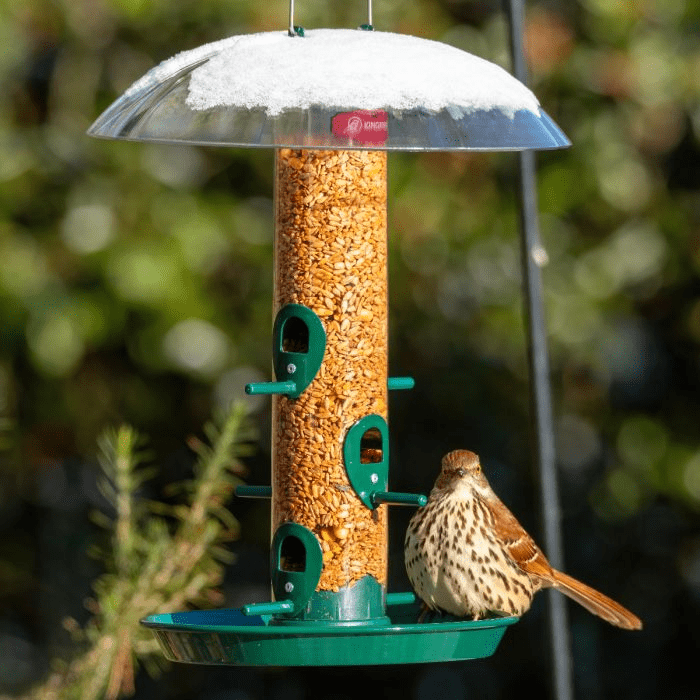
Credit: www.kingsyard.com
Materials Needed
Gathering the right materials makes building a sunflower seed bird feeder easier. Knowing what to use helps create a safe and attractive feeding spot. Each item plays a role in holding seeds and inviting birds.
Choosing The Right Seeds
Sunflower seeds attract many bird types. Black oil sunflower seeds work best. They have thin shells that birds can easily crack. Avoid salted or flavored seeds. These can harm birds and reduce feeder visits.
Selecting Feeder Base
Choose a sturdy base to hold seeds. Common options include:
- Empty plastic bottles
- Wooden blocks or slices
- Small mesh bags
- Recycled containers with drainage holes
The base should support seeds without spilling. It must be weather-resistant and safe for birds.
Additional Tools
Prepare tools for assembly and hanging. Useful tools include:
- Scissors or a craft knife
- String, twine, or wire for hanging
- Glue or tape for securing parts
- Small drill or nail to make holes
- Paint or markers to decorate (optional)
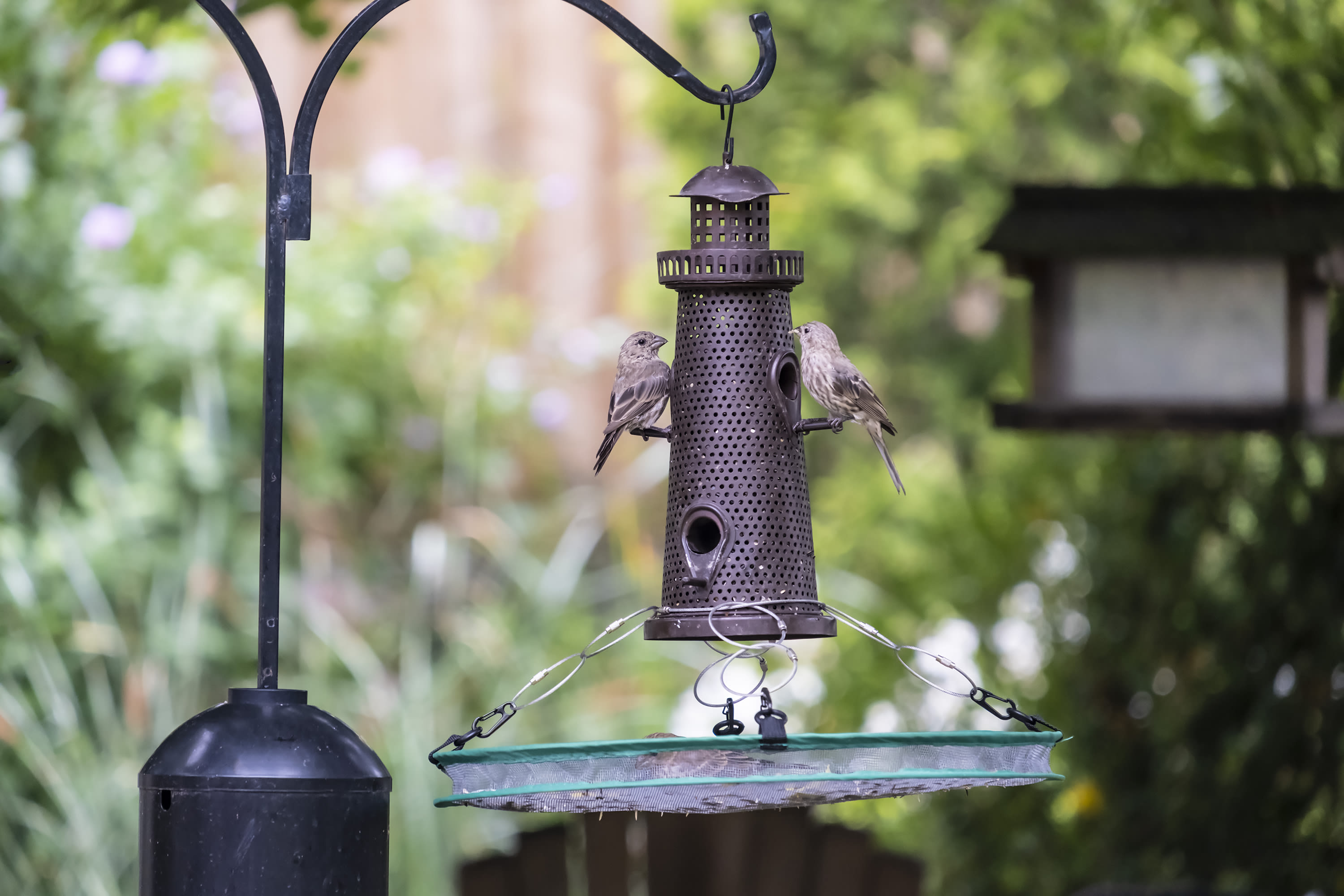
Credit: dengarden.com
Preparing The Feeder Base
Preparing the feeder base is a crucial part of making a sunflower seed bird feeder. This step sets the foundation for a sturdy, safe, and attractive feeder that birds will love. Taking the time to properly clean, dry, and design the seed holders ensures your feeder will last longer and function better.
Cleaning And Drying
Start by selecting the base of your feeder, such as a wooden block, a recycled container, or a sturdy piece of bark. Clean it thoroughly to remove dirt, dust, or any residues. A clean base prevents mold and keeps seeds fresh for the birds.
Use warm soapy water and a soft brush or cloth to scrub the surface gently. Rinse well and let it dry completely in a sunny spot. Moisture left on the base can cause seeds to spoil quickly, which birds will avoid.
Creating Seed Holders
Think about how you want the seeds to be accessible to birds. You can create small compartments or shallow wells to hold the sunflower seeds securely. This prevents seeds from spilling and makes it easier for birds to feed.
Use natural materials like twigs, small wooden sticks, or even old bottle caps to form the seed holders. Attach them firmly with non-toxic glue or nails, ensuring they’re stable enough to handle bird activity.
Have you noticed how some feeders waste seeds because they aren’t held properly? Designing good seed holders reduces waste and attracts more birds to your feeder. Try placing the holders at different heights or angles to see what your feathered visitors prefer.
Applying Sunflower Seeds
Applying sunflower seeds to your bird feeder is a crucial step that determines how inviting it looks to our feathered friends. You want the seeds to stick well and be arranged in a way that birds can easily access them. The right technique makes your feeder both sturdy and attractive.
Using Adhesive
Choose a bird-safe adhesive, such as non-toxic glue or natural peanut butter, to make sure the seeds hold firmly. Spread a thin, even layer of adhesive on the surface where you’ll place the seeds.
Too much glue can cause clumps that birds avoid, while too little won’t keep seeds in place. I once used regular craft glue and noticed seeds falling off quickly, so switching to peanut butter made a big difference.
Arranging Seeds Evenly
Place the sunflower seeds side by side, with their flat side against the adhesive. This creates a dense, uniform surface that looks inviting and allows birds to perch easily.
Try to avoid gaps or overlapping seeds, as this can make the feeder messy and less stable. Have you ever watched birds pick seeds from uneven surfaces? They tend to avoid areas where seeds are sparse or clumped together.
Taking your time to arrange seeds evenly not only improves the feeder’s durability but also attracts more birds to your garden.
Hanging And Maintenance
Hanging your sunflower seed bird feeder in the right spot and keeping it well-maintained are key to attracting birds and ensuring they keep coming back. Proper placement affects visibility and safety, while regular cleaning and refilling keep the feeder inviting and healthy for your feathered visitors.
Best Location Tips
Choose a spot where you can easily see the feeder from your window. This way, you get to enjoy watching the birds up close without disturbing them.
Place the feeder near natural cover like bushes or trees. Birds feel safer when they have a quick escape route from predators.
Avoid hanging it too close to windows to prevent birds from flying into the glass. A distance of at least 3 feet is ideal.
Think about the direction the feeder faces. A spot with morning sunlight helps dry any dew or rain, keeping seeds fresh longer.
Cleaning And Refilling
Clean your feeder every two weeks to prevent mold and bacteria buildup. Use warm soapy water and rinse thoroughly to keep it safe for birds.
Check the seeds regularly. If you notice moldy or wet seeds, remove them immediately to avoid harming the birds.
Refill your feeder before it’s empty, especially during cold or dry weather when birds rely heavily on food sources.
Keep an eye out for squirrels or pests that might steal seeds. You might need to adjust your feeder’s location or add squirrel guards if this becomes a problem.

Credit: duncraft.com
Frequently Asked Questions
What Materials Are Needed For A Sunflower Seed Bird Feeder?
You need a pinecone, peanut butter, sunflower seeds, string, and a butter knife. These materials are simple and affordable. They help create a natural, eco-friendly bird feeder.
How Do I Safely Hang A Sunflower Seed Bird Feeder?
Tie a sturdy string around the pinecone’s top. Hang it from a tree branch or hook. Ensure it’s secure and out of reach from predators.
Can I Use Other Seeds Besides Sunflower Seeds?
Yes, you can use mixed bird seeds or safflower seeds. Sunflower seeds attract many birds, but variety can invite different species. Avoid salted or flavored seeds.
How Often Should I Refill The Sunflower Seed Feeder?
Refill your feeder when seeds run low or every few days. Regular refilling keeps birds coming back. Clean the feeder occasionally to prevent mold.
Conclusion
Making a sunflower seed bird feeder is simple and fun. It helps birds find food, especially in cold months. You only need a few materials and a little time. Hang your feeder outside where birds can see it easily. Watching birds visit brings joy and peace.
Try different spots to see which one works best. This small project connects you with nature every day. Enjoy feeding the birds and watching them thrive.