

Imagine taking your feathered friend on a safe and exciting outdoor adventure. With a small bird harness, this dream can become a reality.
You might be wondering how to create this essential tool for your beloved pet. By crafting your own bird harness, you ensure a perfect fit and comfort for your little companion. Plus, you’ll strengthen the bond you share. This guide will walk you through the simple steps needed to make a harness, using materials you likely already have at home.
Ready to give your bird the freedom it deserves while keeping it secure? Let’s dive into the process and get started on this rewarding project!
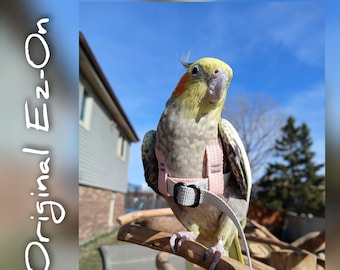
Credit: www.etsy.com
Choosing Materials
Choosing the right materials is crucial when making a small bird harness. The fabric and tools you select will affect your bird’s comfort and safety. You want materials that are gentle but durable, easy to work with, and safe for your feathered friend.
Safe Fabric Options
Not all fabrics are created equal when it comes to bird harnesses. Avoid anything rough or scratchy that can irritate your bird’s skin. Soft, lightweight fabrics like cotton or nylon webbing work well because they won’t chafe or trap heat.
Look for materials that are breathable and easy to clean. Birds tend to preen a lot, so you don’t want a fabric that holds dirt or moisture. Some people find that thin fleece adds extra softness without bulk, but test it on a small patch first to ensure your bird doesn’t react negatively.
- Cotton:Natural, soft, and breathable—ideal for sensitive skin.
- Nylon webbing:Strong and lightweight, but smooth to prevent irritation.
- Fleece:Adds comfort but use sparingly to avoid overheating.
Have you noticed how your bird reacts to different fabrics in toys or perches? Observing those reactions can guide your choice for the harness material.
Essential Tools
Having the right tools makes the harness-making process smoother and safer. You’ll need sharp scissors for clean cuts and a sewing needle or sewing machine to secure the fabric properly. Weak stitches can come undone, which could be dangerous for your bird.
Consider using a fabric marker or chalk to mark your measurements clearly. A tape measure is essential for getting the perfect fit. You don’t want a harness too tight or too loose—both can cause discomfort or accidents.
- Sharp fabric scissors
- Strong needle or sewing machine
- Fabric marker or chalk
- Measuring tape
- Optional: Small buckles or snaps for easy adjustments
Think about your sewing skills before choosing tools. If you’re new to sewing, simpler fasteners like Velcro might be safer and easier to use than tiny buckles.

Credit: www.amazon.com
Measuring Your Bird
Measuring your bird accurately is the foundation of creating a comfortable and safe harness. Without the right measurements, the harness can become either too tight, restricting movement, or too loose, allowing your bird to slip out. Taking your time to measure carefully can save you from frustration and keep your feathered friend happy during outdoor adventures.
Finding The Right Fit
Start by using a soft measuring tape or a piece of string you can later measure with a ruler. Measure around your bird’s chest, just behind the wings, where the harness will sit. Make sure the tape is snug but not tight—you should be able to fit a finger between the tape and your bird’s body.
Also, measure the length from the base of the neck to the start of the tail feathers. This helps in designing a harness that won’t interfere with your bird’s natural movements. Remember, every bird is unique, so taking multiple measurements ensures a better fit.
Avoiding Common Mistakes
A common error is measuring your bird while it’s flapping or squirming. Try to keep your bird calm and still by gently holding it or having someone help. Measuring multiple times helps catch any inconsistencies caused by movement.
Don’t guess or rely on average sizes from the internet. Birds can vary widely even within the same species. It’s better to measure twice and cut once than to make a harness that your bird can’t wear comfortably.
Step-by-step Harness Construction
Creating a small bird harness requires precision and patience. Each part must fit perfectly to keep your feathered friend safe and comfortable. Below is a clear guide to help you build a harness that works well and lasts long.
Cutting The Fabric
Start by choosing a soft, lightweight fabric like nylon or cotton. These materials won’t irritate your bird’s skin. Use a ruler and fabric scissors to cut strips about 1 cm wide and 30 cm long, depending on your bird’s size.
Make sure to cut two identical strips for the main straps. Also, cut a small piece for the chest piece that connects the straps. Have you checked if the fabric is flexible enough to move with your bird?
Sewing The Harness
Place the fabric strips flat and align the edges. Sew the ends together to form loops for the bird’s wings. Use a sewing machine for stronger stitches or a needle and thread if you prefer hand sewing.
Attach the small chest piece by sewing it across the two loops. This will keep the harness snug but comfortable. Remember, neat stitches mean less chance of the harness unraveling over time.
Adding Fasteners
Fasteners like small buckles or Velcro make putting on and taking off the harness easier. Sew one side of the fastener to the end of each strap. Make sure the fastener is secure but easy for you to open quickly.
Test the harness by gently fastening and unfastening it a few times. Does it hold firmly without slipping? This step ensures your bird stays safe without feeling trapped.

Credit: www.amazon.com
Fitting And Safety Tips
Ensuring your small bird’s harness fits well and is safe is crucial for both you and your feathered friend. A poorly fitted harness can cause discomfort or even injury, while a secure one allows your bird to explore safely. Paying close attention to the details of fitting and safety will make outdoor adventures enjoyable and stress-free.
Proper Harness Adjustment
Adjust the harness so it fits snugly but not tight. You should be able to slip one finger comfortably between the harness and your bird’s body. This balance prevents chafing and allows freedom of movement without the risk of slipping out.
Check the straps around the wings and chest carefully. They should sit flat without twisting or pinching. If the harness has buckles or clips, ensure they are secure and positioned where your bird can’t easily reach or chew them.
Try the harness on your bird indoors first. Watch how they move and adjust the fit if you notice any signs of discomfort or restricted movement. Remember, a harness that feels right at home will encourage your bird to stay calm outdoors.
Monitoring Your Bird’s Comfort
Observe your bird’s behavior closely when the harness is on. Signs of stress include excessive preening, frantic flapping, or attempts to bite the harness. If you see these, pause and adjust the harness or give your bird a break.
Make sure your bird has plenty of opportunities to get used to the harness gradually. Start with short sessions inside and reward calm behavior with treats or gentle praise. Over time, this positive reinforcement helps your bird associate the harness with comfort and safety.
Ask yourself, “Is my bird relaxed or restless right now?” Regularly checking in on your bird’s mood can prevent potential injuries and build trust. Your bird’s willingness to wear the harness is the best indicator that the fit and safety measures are right.
Frequently Asked Questions
What Materials Are Needed To Make A Small Bird Harness?
You need lightweight nylon or cotton straps, a small buckle, scissors, and a needle with thread. These materials ensure comfort and security for your bird.
How To Measure A Bird For A Proper Harness Fit?
Measure around the bird’s chest and neck using a soft tape. Ensure the harness fits snugly without restricting movement or breathing.
Is It Safe To Use A Homemade Bird Harness?
Yes, if made correctly with soft materials and proper fit, it is safe. Always supervise your bird while using the harness to prevent injury.
How To Train A Bird To Wear A Harness Comfortably?
Start by letting your bird see and touch the harness. Gradually place it on for short periods, rewarding with treats and praise for calm behavior.
Conclusion
Making a small bird harness is simple and safe. Use soft materials to keep your bird comfortable. Measure carefully to avoid tightness or looseness. Take your time to adjust the fit perfectly. Practice patience; your bird will get used to it.
This harness lets your bird explore outside safely. Enjoy the bonding time while watching your bird fly free. Always supervise your bird during outdoor adventures. A well-made harness protects and keeps your bird happy. Try making one today and see the difference.