

If you want to capture stunning photos of birds without scaring them away, building a hide is your best secret weapon. Imagine getting up close to your feathered subjects, watching their natural behavior, and snapping perfect shots—all without disturbing them.
In this guide, you’ll learn simple, effective ways to create your own bird photography hide. By the end, you’ll be ready to blend into nature and take breathtaking photos that truly stand out. Ready to transform your bird photography? Let’s dive in.

Credit: www.allaboutbirds.org
Choosing The Right Location
Choosing the right location is crucial for creating an effective bird photography hide. The spot you select determines the variety of birds you can capture and how close you can get without disturbing them. Your success depends on understanding both the birds’ habits and the environment around you.
Identifying Bird Habitats
Start by researching the types of birds you want to photograph. Different species prefer different habitats—some thrive near water, others in dense woods or open fields.
Look for signs like nests, feeding areas, or frequent perching spots. Watching bird behavior over several days can reveal where they feel safe and active.
Ask yourself: Are you targeting waterfowl by a pond, or songbirds in a forest? Knowing this guides where to set up your hide for the best shots.
Assessing Accessibility And Safety
Once you identify a promising habitat, check how easy it is to reach and whether it’s safe to stay there for hours. You don’t want to struggle with heavy gear on rough terrain or risk injury.
Consider paths, visibility, and shelter from weather. A location with some natural cover can also protect your hide from being spotted by birds or other people.
Think about your exit plan too. If birds get startled, can you quietly leave without causing a scene? Your safety and the birds’ comfort should always come first.
Credit: www.tombolphoto.com
Materials For Building A Hide
Natural materials like branches, leaves, and grass blend well for building a bird hide. Lightweight fabrics and mesh help create a comfortable and camouflaged shelter. Simple tools like scissors and string make assembly easy and quick.
Building a hide for bird photography requires thoughtful selection of materials to ensure effectiveness and sustainability. The materials you choose can significantly impact the success of your hide, affecting both its durability and its ability to blend seamlessly into the environment. Let’s explore the options available for creating a hide that not only serves its purpose but also stands the test of time.Natural Vs. Synthetic Materials
Choosing between natural and synthetic materials is a key decision in building your hide. Natural materials like branches, leaves, and grasses can help your hide blend into the environment, making it less noticeable to birds. However, they may require more frequent maintenance as they can degrade over time. On the other hand, synthetic materials such as camouflage netting and waterproof tarps offer durability and resistance to weather conditions. They can be more convenient and long-lasting but may not integrate as seamlessly into natural surroundings. Consider the location and longevity you desire for your hide when choosing materials.Essential Tools And Supplies
Having the right tools and supplies can make building your hide a more efficient and enjoyable process. A basic toolkit should include:- Hammer and nails or a staple gun
- Pruning shears for cutting branches and trimming foliage
- Camouflage netting or fabric for covering
- Zip ties or rope for securing materials
Constructing Your Hide
Constructing a hide for bird photography takes careful planning and simple materials. The hide must blend with the environment and protect you from view. Comfort is important too, since you may stay inside for long hours. A well-built hide helps you capture natural bird behavior without disturbing them.
Designs For Different Environments
Choose a hide design based on where you plan to photograph. Each environment needs a different style for best results.
- Woodland:Use natural wood, branches, and leaves to build a small shelter. Openings should be narrow to avoid startling birds.
- Wetlands:A floating hide or one raised on stilts works well. Waterproof materials protect from moisture and mud.
- Grasslands:Low hides with grass and shrubs help you stay hidden. Keep your silhouette low and break your outline.
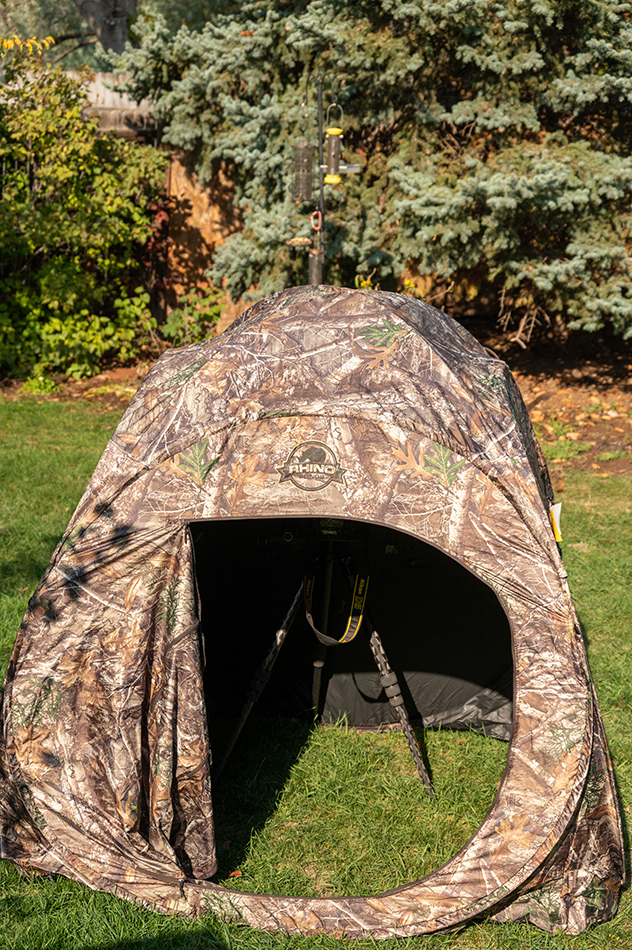
- Urban:Use portable hides or camouflage tents that blend with buildings or parks. Lightweight and easy to move.
Camouflage Techniques
Good camouflage hides you and your gear. Use colors and textures that match the surroundings.
- Cover the hide with local plants and leaves. Fresh foliage looks natural and blends well.
- Paint surfaces in earth tones like green, brown, or gray. Avoid bright colors.
- Use mesh or netting with attached natural material for flexible coverage.
- Reduce shiny surfaces to avoid reflections that scare birds away.
- Keep movement inside the hide minimal to avoid catching bird attention.

Credit: www.allaboutbirds.org
Tips For Using The Hide Effectively
Using a bird photography hide effectively requires more than just setting it up. It demands patience, quiet, and careful timing to capture stunning photos. These tips help you blend into nature and get close to your feathered subjects without disturbing them.
Maintaining Silence And Stillness
Birds are very sensitive to noise and movement. Stay as quiet as possible inside the hide. Avoid sudden movements that might scare birds away. Keep your breathing calm and slow. Use a camera with a silent shutter if possible. Cover any reflective surfaces to prevent light flashes. The less you move, the more birds will feel safe near you.
Timing And Patience For Best Shots
Birds are most active during early morning and late afternoon. Plan your sessions around these times for better chances of sightings. Be ready to wait quietly for long periods. Patience often leads to rewarding moments. Watch for bird behaviors and adjust your position slowly if needed. Use natural light to enhance your photos. Consistent visits help birds get used to your presence over time.
Frequently Asked Questions
What Materials Are Best For Building A Bird Photography Hide?
Natural materials like branches, leaves, and camouflage fabric work best. They blend into the environment and avoid scaring birds. Lightweight, durable items ensure easy setup and portability, enhancing your photography experience.
How Do I Position My Hide For Optimal Bird Photos?
Place your hide near bird feeding or nesting areas. Ensure it faces natural light for clear, bright shots. Position it with wind direction in mind to minimize noise and scent detection by birds.
How Long Should I Stay In The Hide For Good Shots?
Stay patient and quiet for at least 30 minutes. Birds need time to feel safe around the hide. Longer sessions increase chances of capturing natural and candid bird behavior.
Can I Use Portable Hides For Bird Photography?
Yes, portable hides are convenient and easy to move. They allow flexibility to explore different locations. Choose lightweight, foldable hides for quick setup and efficient transportation.
Conclusion
Building a bird photography hide takes patience and care. Use natural materials to blend into the environment. Place your hide where birds often visit. Stay quiet and still to avoid scaring them away. A good hide helps you capture close and clear shots.
Remember, practice improves your skills over time. Enjoy the calm moments while waiting for birds. Your photos will show the beauty of nature up close. Keep trying, and you will get amazing results.