

Have you ever wondered how to let your bird explore the world safely outside its cage? Creating a custom harness for your feathered friend can be a game-changer.
Not only does it allow your bird to enjoy fresh air and sunshine, but it also strengthens the bond between you two. Imagine watching your bird flap its wings in the open air, feeling the breeze, all while knowing it’s secure by your side.
The idea of crafting a harness might seem daunting at first, but with the right guidance, you’ll find it surprisingly simple and rewarding. Ready to give your bird the freedom it craves without compromising its safety? Keep reading to discover how you can make a harness that fits your bird perfectly, ensuring many joyful outings together.

Credit: www.amazon.com
Choosing The Right Materials
Choosing the right materials is crucial for making a safe and comfortable harness for your bird. The materials must be gentle on your bird’s skin and strong enough to hold securely. Selecting the proper fabrics and straps helps prevent injuries and ensures your bird enjoys wearing the harness.
Focus on materials that do not irritate feathers or skin. Softness and durability are key qualities. Avoid anything rough or stiff. The materials should allow easy cleaning to keep the harness hygienic.
Safe Fabrics And Straps
Use soft, breathable fabrics like cotton or nylon webbing. These materials are light and strong. Avoid leather or rough synthetic fabrics that can cause discomfort or chafing. Choose straps that have smooth edges and no sharp parts.
- Cotton: Soft and gentle, easy to wash
- Nylon webbing: Durable, lightweight, water-resistant
- Velcro: Easy to adjust, but choose quality types
- Plastic buckles: Lightweight and safe, no metal parts
Check for non-toxic dyes and finishes. Make sure materials do not have small parts that your bird can swallow.
Essential Tools Needed
Gathering the right tools makes harness construction easier and safer. These help ensure precise cuts and secure attachments. Use tools suited for working with fabric and small hardware.
- Sharp scissors: For clean fabric cuts
- Measuring tape: To get exact strap lengths
- Needle and strong thread: For hand sewing durable seams
- Sewing machine (optional): For faster, sturdier stitching
- Plastic buckles or clips: To fasten the harness securely
- Fabric glue (optional): To reinforce edges
Having these tools helps create a harness that fits well and lasts longer.
Measuring Your Bird
Measuring your bird accurately is key to making a comfortable harness. A well-fitted harness keeps your bird safe and happy during outdoor adventures. Taking precise measurements avoids tightness or looseness that can cause discomfort or escape risks. Use a soft tape measure or a string that you can later measure with a ruler.
Finding The Perfect Fit
Start by measuring around your bird’s chest, just below the wings. This is where the harness will sit, so the fit must be snug but not tight. Next, measure the length from the base of the neck to the start of the tail feathers. This helps determine how much material you need for the harness straps. Finally, measure around the neck gently to avoid any choking hazards. Keep your bird calm and still during measurement for the best results.
Avoiding Common Measurement Mistakes
- Do not pull the tape measure too tight, as this can give false small sizes.
- Don’t guess measurements; always use a proper tool for accuracy.
- Avoid measuring over feathers alone; try to measure close to the body.
- Measure more than once to confirm accuracy before cutting materials.
- Never rush; a calm bird helps prevent errors during measurement.
Step-by-step Harness Construction
Building a harness for your bird requires precision and care. Each step shapes the final fit and comfort your feathered friend will experience. Let’s break down the process so you can create a secure, comfortable harness that your bird will tolerate and even enjoy.
Cutting And Assembling Parts
Start by selecting soft, durable materials like lightweight nylon or cotton webbing. Measure your bird carefully to ensure the harness won’t be too tight or loose. Cut the straps to lengths that will comfortably wrap around your bird’s chest and wings.
Use a sharp pair of scissors for clean cuts to avoid fraying. Assemble the pieces by overlapping strap ends where they will connect. Sew or use strong fabric glue to secure these joints, reinforcing them with multiple stitches if possible.
Think about the shape: your harness should allow freedom of movement while preventing escape. A simple figure-eight design often works best for small to medium birds, as it fits snugly yet comfortably.
Securing Fasteners And Adjustments
Add fasteners like small buckles or velcro for easy on-and-off. Buckles provide more security but require precise fitting, while velcro allows quick adjustments but can wear out faster.
Position the fasteners where you can easily reach them without stressing your bird during putting on or taking off. Test each fastener’s hold by gently pulling to make sure it won’t come undone unexpectedly.
Include adjustment points to fine-tune the fit as your bird moves or grows. Have you noticed how a slightly loose harness can cause discomfort? It’s worth investing time here to avoid constant readjustments later.

Credit: www.amazon.com
Ensuring Comfort And Safety
Ensuring your bird’s comfort and safety is vital when making a harness. The harness should fit well without causing stress or harm. It must allow free movement while keeping your bird secure. Comfort and safety build trust between you and your bird.
Introducing The Harness To Your Bird
Start by showing the harness gently. Let your bird see and touch it first. Place the harness near their cage or favorite perch. Allow your bird to explore it at their own pace. Avoid forcing the harness on too soon.
Use calm, soft words to reassure your bird. Try offering treats while showing the harness. This creates a positive link with the new item. Only place the harness on when your bird seems relaxed.
Regular Checks And Maintenance
Check the harness daily for wear and tear. Look for loose threads, broken parts, or sharp edges. These can hurt your bird or cause the harness to fail.
Keep the harness clean to avoid skin irritation. Wash it with mild soap and water regularly. Dry it completely before the next use.
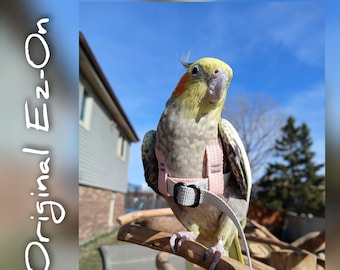
Adjust the fit as your bird grows or changes weight. A snug but not tight harness keeps your bird safe. Replace the harness if it no longer fits well.
Credit: www.etsy.com
Frequently Asked Questions
What Materials Do I Need To Make A Bird Harness?
You need soft, lightweight fabric or nylon straps, small buckles, scissors, and a measuring tape. These materials ensure comfort and safety for your bird.
How Do I Measure My Bird For A Harness?
Measure around your bird’s chest and neck with a flexible tape. Ensure the harness fits snugly but not tight to avoid discomfort or escape.
How Can I Ensure The Harness Fits My Bird Safely?
Check the harness fits snugly without restricting movement or breathing. Adjust straps if needed and observe your bird’s behavior during initial use.
How Do I Introduce A Harness To My Bird?
Start slowly by letting your bird see and touch the harness. Gradually wear it for short periods, rewarding with treats to build trust.
Conclusion
Making a harness for your bird helps keep it safe outdoors. Use soft, light materials for your bird’s comfort. Measure carefully to avoid tightness or slipping. Regularly check the harness for wear and tear. Always watch your bird while it wears the harness.
This simple project lets your bird explore safely. Enjoy outdoor time with your feathered friend. Small efforts bring big rewards for bird safety. Keep your bird happy and secure every time.