
Have you ever wanted to invite more birds into your garden? Building a bird nest box is a simple way to provide a safe home for them.
Not only will you help protect local wildlife, but you’ll also enjoy watching birds up close. In this guide, you’ll learn easy steps to make your own bird nest box, even if you’ve never done any woodworking before. By the end, you’ll have a cozy shelter ready to attract feathered friends and bring nature right to your backyard.
Keep reading to discover how simple and rewarding this project can be for you and the birds!
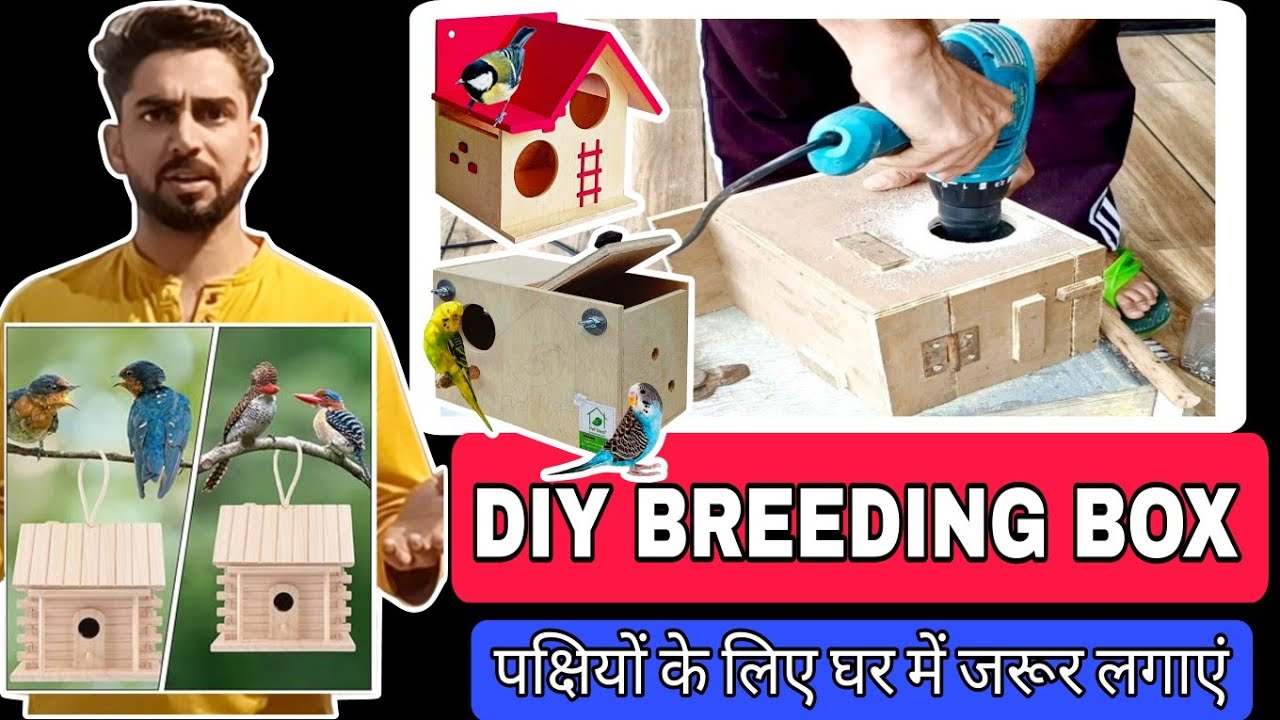
Credit: www.youtube.com
Choosing The Right Materials
Choosing the right materials is key to building a bird nest box that lasts and attracts feathered friends. The materials affect durability, safety, and how comfortable the birds feel inside. Your goal is to pick wood and tools that make the process easier and the final product reliable.
Best Wood Types
Not all wood is safe or sturdy enough for a birdhouse. Look for untreated, natural wood that won’t harm birds or release toxins. Cedar and pine are popular choices because they resist rot and insects naturally.
Cedar stands out for its durability and pleasant aroma, which also repels insects. Pine is more affordable and easy to find but may need a protective finish. Avoid pressure-treated wood; chemicals in it can be harmful to birds.
Think about thickness too. Wood should be at least ¾ inch thick to keep the nest warm and safe from predators. Have you noticed how some birdhouses last years while others fall apart quickly? The wood choice often makes that difference.
Essential Tools
Having the right tools makes building a nest box smoother and more precise. A handsaw or jigsaw helps cut wood pieces cleanly. Drills are necessary for making entrance holes and ventilation.
Sandpaper or a sanding block smooths rough edges to protect tiny bird feet. You’ll also need screws or nails to hold the box together securely. A measuring tape and pencil help keep your cuts accurate.
Don’t forget safety gear like goggles and gloves. It might seem extra, but protecting yourself allows you to focus better on building a safe home for birds. What tools do you already have in your toolbox that could work for this project?
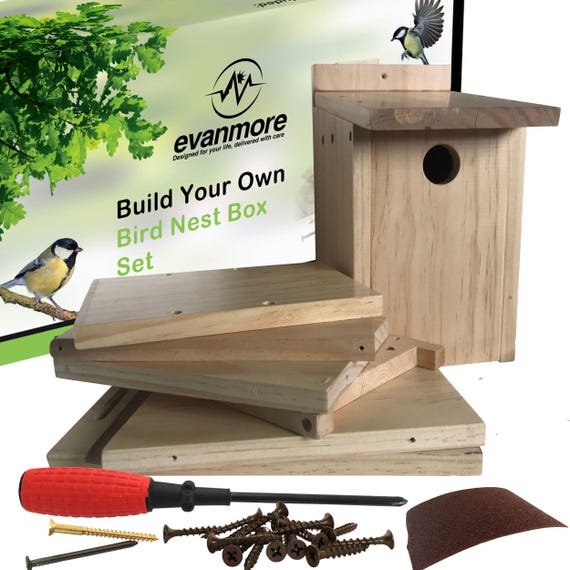
Credit: www.etsy.com
Designing Your Nest Box
Designing your bird nest box is the key to attracting birds safely. The right design offers comfort and protection. It suits the needs of the birds you want to welcome. Consider size, shape, and entrance carefully. These features affect which birds will use your box.
Size And Shape
Size matters for different bird species. A box too big or small may be ignored. A compact design keeps warmth inside and predators out. Keep the box deep enough for nest building. The floor should be just wide enough for the bird.
Shape affects how safe birds feel. A simple rectangular box works well for many species. Avoid sharp edges or complicated shapes. Smooth surfaces help birds stay comfortable.
Entrance Hole Options
The entrance hole size controls which birds can enter. Small holes keep larger birds and predators away. Round holes are common and easy to build. Some birds prefer oval or slit-shaped entrances.
- Choose hole size based on bird type, for example:
- 1 1/8 inches for small birds like chickadees.
- 1 1/2 inches for bluebirds.
- 2 inches for larger birds like woodpeckers.
Place the hole high on the front panel. This helps keep chicks safe inside. Avoid placing the hole near sharp branches.
Step-by-step Building Process
Building a bird nest box is a rewarding project that brings you closer to nature. The process involves simple tools and materials, but attention to detail makes all the difference. Let’s break down how you can create a cozy home for your feathered friends with clear, manageable steps.
Cutting The Pieces
Start by selecting sturdy wood like cedar or pine, which withstands outdoor conditions well. Use a saw to cut the wood into the essential parts: a back panel, front panel with an entrance hole, two side panels, a base, and a roof piece.
Take precise measurements to ensure all pieces fit together snugly. If you’re unsure about the size of the entrance hole, consider the bird species you want to attract—smaller birds need smaller holes. Have you thought about the best size for your local birds?
Assembly Tips
Lay out all the pieces before you begin to visualize the final shape. Use nails or screws to attach the sides to the back panel first, then add the base. This order helps maintain stability during assembly.
Make sure the entrance hole is positioned near the top of the front panel. This placement keeps the nest safe from predators and rain. If you want extra ventilation, drill small holes near the top of the side panels.
Keep the box slightly open while assembling to check for alignment. Tight joints prevent drafts and keep the nest warm. Have you checked that your tools and fasteners are ready before starting?
Finishing Touches
Sand all rough edges carefully to protect birds from splinters. You can add a non-toxic, water-based sealant to extend the box’s life but avoid painting inside the box—birds prefer natural surfaces.
Attach a hinge or removable roof for easy cleaning after the nesting season. This simple feature encourages birds to return year after year. Placing the box on a sturdy tree or post at the right height completes your project.
What small detail can you add to make your birdhouse more inviting? Sometimes, a little customization goes a long way in creating a bird’s perfect home.
Placing And Maintaining The Box
Placing and maintaining a bird nest box is vital for attracting birds and keeping them safe. The right spot makes birds feel secure. Regular cleaning keeps the box healthy and ready for new visitors. Small efforts bring great rewards in birdwatching and nature care.
Ideal Locations
- Mount the box 5 to 10 feet above the ground.
- Face the entrance away from prevailing wind and rain.
- Choose a quiet spot, away from busy paths and pets.
- Place near trees or shrubs for cover and food sources.
- Avoid direct sunlight; partial shade works best.
Cleaning And Upkeep
Clean the box at the end of each breeding season. Remove old nesting material to prevent parasites. Use a mild bleach solution to disinfect the inside. Rinse well and let it dry before reinstalling. Check for damage like cracks or loose parts. Repair or replace to keep the box safe and stable.

Credit: www.harrowsmithmag.com
Frequently Asked Questions
What Materials Are Best For Bird Nest Boxes?
Use untreated wood like cedar or pine for durability. Avoid treated wood and metal, as they can harm birds. Ensure the wood is thick enough to provide insulation. A weatherproof roof is essential for protection against rain. Natural materials help maintain a safe and comfortable environment for nesting birds.
How Do I Choose The Right Nest Box Size?
Choose a size based on the bird species you want to attract. Smaller birds need smaller boxes, while larger birds need bigger ones. Ensure the entrance hole matches the bird’s size to prevent predators. Proper sizing ensures comfort and security for nesting birds.
Where Should I Place My Bird Nest Box?
Place the nest box in a quiet, sheltered area away from predators. Ensure it’s at least 5 feet off the ground. Avoid direct sunlight and strong winds. Position the entrance hole facing away from prevailing winds. Proper placement increases the likelihood of birds using the box.
How Often Should I Clean A Bird Nest Box?
Clean the nest box once a year after the breeding season. Remove old nesting material and any debris. Use a mild solution of water and vinegar to disinfect. Regular cleaning prevents parasites and diseases. Ensure the box is dry before reassembling to maintain a healthy environment.
Conclusion
Building a bird nest box helps birds find safe homes. It is simple and fun to make. Use wood, nails, and basic tools. Place the box in a quiet spot outside. Watch birds visit and build nests inside. This small effort supports nature and wildlife.
Enjoy seeing different birds close to your home. Making a nest box creates a peaceful garden space. Try it today and help bird families thrive.