

Are you looking for a way to safely take your feathered friend outdoors? Making a bird harness might be just what you need.
You love your bird, and you want them to experience the fresh air and sunshine, but you also want to ensure their safety. With the right harness, you can have peace of mind while giving your bird the adventure they crave.
In this guide, you’ll learn how to craft a harness that is comfortable, secure, and perfect for your bird. Imagine the joy on your bird’s face as they explore the world beyond their cage, all while staying close to you. Keep reading to discover how you can create this new freedom for your beloved pet.
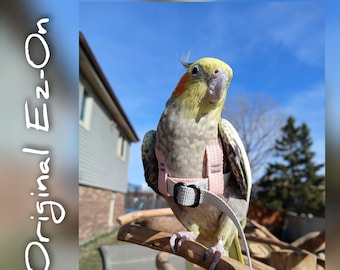
Credit: www.etsy.com
Choosing The Right Materials
Choosing the right materials is crucial for making a safe and comfortable bird harness. The materials must be gentle on the bird’s skin and strong enough to hold securely. Poor material choices can hurt the bird or cause the harness to break. Selecting the right fabrics and tools will make the crafting process easier and the final product more reliable.
Selecting Safe Fabrics
Use soft, lightweight fabrics that do not irritate the bird’s skin. Cotton and nylon are good choices because they are durable and gentle. Avoid rough materials like burlap or stiff leather. These can cause chafing or discomfort. Choose fabrics that are easy to clean to keep the harness hygienic. Bright colors can help spot the bird easily, but avoid harsh dyes that may be toxic.
Gathering Necessary Tools
Prepare all tools before starting to save time. You will need:
- Scissors for cutting fabric precisely
- Measuring tape to fit the harness correctly
- Needle and thread or a sewing machine for strong stitches
- Velcro or small buckles for adjustable straps
- Soft padding material to add comfort
Having these tools ready ensures a smooth crafting process and a secure harness fit.

Credit: www.amazon.com
Measuring Your Bird
Measuring your bird accurately is the foundation for creating a safe and comfortable harness. If the harness is too tight, it could hurt your bird. Too loose, and your bird might slip out. Taking precise measurements helps you avoid these problems and ensures your bird enjoys its outdoor adventures.
Determining Neck Size
Start by gently wrapping a soft measuring tape around your bird’s neck where the harness will sit. Keep it snug but not tight—your bird should be able to breathe and move comfortably. Note the measurement and add about half an inch to allow for some movement.
Birds come in all shapes and sizes, so don’t guess their neck size based on species alone. Even birds of the same breed can vary. Remember, a well-fitting neck piece prevents chafing and escape.
Checking Wing Span
Next, measure the distance between the tips of your bird’s wings when fully extended. This helps determine how much space your harness needs to allow for comfortable wing movement. Use a ruler or tape measure and have someone assist if your bird is squirmy.
Think about how your bird flaps and stretches its wings naturally. A harness that restricts this will cause stress and discomfort. Ensuring enough room for wing span protects your bird’s freedom and safety.
Step-by-step Harness Assembly
Assembling a bird harness requires precision and care to ensure it fits comfortably and securely. You’ll need to pay close attention to each part, especially the straps and fasteners, because these determine the harness’s strength and safety. Let’s break down the assembly process into manageable tasks that anyone can follow.
Cutting And Shaping Straps
Start by selecting a soft, yet durable material like nylon or leather for the straps. Cut the straps into lengths that match your bird’s size, leaving a little extra for adjustments. Too long or too short straps can cause discomfort or escape risks.
Shape the ends of the straps by rounding them off with scissors or gently sanding them. This prevents sharp edges that might irritate your bird’s skin. Have you noticed how even small details like strap edges affect your bird’s willingness to wear the harness?
Keep your cuts clean and precise. Uneven edges can lead to fraying, which weakens the harness over time. Using a lighter to carefully seal nylon strap ends can also help avoid fraying.
Securing Buckles And Fasteners
Choose buckles and fasteners that are lightweight but strong enough to hold your bird safely. Plastic buckles work well for smaller birds, while metal ones offer extra durability for larger species. Make sure the fasteners are easy for you to open but secure enough to prevent your bird from slipping out.
Attach the buckles by threading the strap through the slots and folding it back on itself. Sew or glue the folded section firmly to stop the strap from slipping. Double stitching is a smart move here — it adds strength and peace of mind.
Test each fastener by pulling gently to confirm it holds steady. If you find any looseness, reinforce it immediately. How often have you overlooked a small buckle only to find it failing at a critical moment?

Credit: www.etsy.com
Fitting And Safety Tips
Fitting a bird harness properly ensures your pet stays safe and comfortable outdoors. A good fit prevents injury and stops the bird from escaping. Pay close attention to the harness size and how it sits on your bird’s body. Safety should always come first when using any harness.
Adjusting For Comfort
Check the harness fit by gently placing it on your bird. The straps should be snug but not tight. Leave enough room to fit one finger between the harness and the bird’s body. Watch for any pinching or rubbing points that may cause discomfort.
Use soft materials to avoid chafing. Adjust the straps slowly and evenly. Make sure the harness does not restrict wing movement or breathing. A comfortable bird is more likely to stay calm during outdoor time.
Monitoring During Outdoor Use
Always watch your bird closely when outside. Look for signs of stress or discomfort like excessive flapping or vocalizing. Stop the outing if the bird seems frightened or tangled in the harness.
Check the harness regularly for wear or looseness. Tighten or adjust straps as needed during breaks. Keep your bird close and never leave it unattended. Safety checks help prevent accidents and keep your pet happy.
Frequently Asked Questions
What Materials Are Needed To Make A Bird Harness?
To make a bird harness, you need lightweight nylon straps, small buckles, scissors, and a measuring tape. Soft, durable materials ensure comfort and safety for your bird during use.
How Do You Measure A Bird For A Harness?
Measure around the bird’s chest, neck, and wingspan gently with a flexible tape. Accurate sizing prevents discomfort and ensures the harness fits securely without restricting movement.
Can A Bird Harness Prevent Escapes Safely?
Yes, a well-fitted bird harness prevents escapes by securing your bird gently. It allows outdoor exploration safely while minimizing stress and risk of injury.
How Do You Train A Bird To Wear A Harness?
Start by letting your bird wear the harness indoors for short times. Use treats and positive reinforcement to build comfort and trust gradually.
Conclusion
Making a bird harness is simple and safe with careful steps. Choose soft, light materials to keep your bird comfy. Measure your bird well for a perfect fit. Practice patience while putting the harness on your bird. This helps your bird enjoy outdoor time safely.
Keep checking the harness often to avoid any issues. Enjoy bonding with your bird during outdoor adventures. Small efforts bring big rewards in bird care. Try making your own harness today and see the joy.