

If you love birds and want to keep your feathered friend safe while letting it explore the outdoors, making a bird flying harness is a smart choice. You might think it’s complicated or expensive, but it’s easier than you imagine.
With a few simple materials and clear steps, you can create a comfortable harness that your bird will enjoy wearing. In this guide, you’ll discover how to make a bird flying harness that fits perfectly and keeps your bird secure.
Ready to give your bird the freedom it deserves without worry? Let’s get started!

Credit: www.amazon.com
Materials Needed
Gathering the right materials is key to making a bird flying harness that is safe, comfortable, and effective. Using quality supplies ensures your bird will enjoy its outdoor flights without any risk of injury or discomfort. Think about the type of bird you have and its size; this will guide your material choices.
Harness Fabric
Choose a soft yet durable fabric like nylon or leather. Nylon is lightweight and easy to clean, which makes it perfect for everyday use. Leather offers more strength and can last longer but may require more maintenance.
Straps And Buckles
Look for adjustable straps made from strong materials such as nylon webbing. Buckles should be secure but easy to open in case of emergencies. Metal or heavy-duty plastic buckles work well, but avoid anything that can pinch your bird’s feathers or skin.
Thread And Sewing Supplies
Use a strong, weather-resistant thread like polyester to sew your harness together. Make sure your needle is sharp enough to handle thick materials without damaging them. You’ll also need scissors, pins, and a sewing machine or strong hand-sewing skills.
Measuring Tools
Accurate measurements are crucial for a good fit. Use a soft measuring tape to measure your bird’s chest, neck, and wingspan. Write down each measurement and double-check to avoid mistakes that could make the harness too tight or loose.
Optional Safety Accessories
Consider adding a small bell or reflective strips for visibility during flight. A quick-release mechanism can be a lifesaver if your bird gets caught on something. These extras might seem minor but can make a big difference in real situations.
Measuring Your Bird
Measuring your bird accurately is the key to making a comfortable and secure flying harness. If the harness is too tight, it can hurt your bird or restrict its movement. Too loose, and your bird might slip out, risking injury or escape.
Taking precise measurements ensures the harness fits just right, giving your bird freedom without compromising safety. You will need a soft measuring tape and a calm bird to get the best results. Patience is essential—rushing can stress your bird and lead to inaccurate measurements.
Measuring The Neck Circumference
Start by gently wrapping the soft tape around the base of your bird’s neck, where the harness will rest. Make sure the tape is snug but not tight—your bird should be comfortable and able to move its head freely.
Note the measurement carefully. This size will determine the neck loop of the harness. If your bird has feathers that puff up, measure a couple of times to get an average.
Measuring The Chest Girth
Next, measure the widest part of your bird’s chest, just behind the wings. This circumference is critical to keep the harness secure without squeezing your bird.
Hold the tape gently around this area, ensuring it doesn’t press into the feathers or skin. Write down this number—this will guide the main body straps of the harness.
Measuring The Length From Neck To Tail
Measure from the base of the neck down to where the tail feathers start. This length helps in designing the harness so it sits properly without interfering with your bird’s movement or flight.
Gently extend the tape along your bird’s back, keeping it close but not tight. This measurement is often overlooked but is vital for comfort and safety.
Tips For Measuring A Nervous Bird
- Use treats to keep your bird calm during the process.
- Ask a friend to help hold your bird gently but securely.
- Measure in a quiet, familiar space to reduce stress.
Have you noticed your bird’s behavior changes when you try to measure it? Small adjustments like these can make a big difference in getting accurate measurements and making the harness experience pleasant.
Step-by-step Harness Assembly
Building a bird flying harness requires attention to detail and patience. As you assemble each part, you create a safe and comfortable experience for your feathered friend. Let’s dive into the assembly process with clear steps that anyone can follow.
Gathering Your Materials
Start by collecting all the necessary materials: soft nylon straps, small metal rings, a buckle, and scissors. Having everything ready prevents interruptions and keeps you focused.
Choose straps that feel gentle on your bird’s skin to avoid discomfort during flight. Have a tape measure handy to ensure precise fitting.
Measure around your bird’s chest just behind the wings—this is where the harness will sit. Make sure the strap is snug but not tight enough to restrict breathing.
Double-check measurements by gently sliding a finger between the strap and your bird’s body. Comfort is key to prevent stress during use.
Cutting And Preparing Straps
Cut the nylon straps according to your measurements, leaving extra length for adjustments. Seal the ends by carefully melting them with a lighter to stop fraying.
Have you ever struggled with frayed edges ruining your project? This simple step saves frustration later and keeps your harness durable.
Connecting Straps With Metal Rings
Thread the cut straps through the metal rings to form loops that will secure the harness on your bird. The rings act as anchors to attach the harness parts together.
Make sure the rings move freely but keep the straps firmly in place to avoid slipping during flight.
Attaching The Buckle
Fix the buckle on one end of the harness to allow easy fastening and removal. Use a sturdy stitch or strong adhesive to keep it secure.
Think about how often you’ll need to put the harness on and off—choose a buckle that’s both reliable and simple to operate.
Final Fitting And Adjustment
Place the harness gently on your bird and check for any tight spots or loose areas. Adjust the straps through the metal rings until the fit feels just right.
Ask yourself: can your bird move comfortably without restriction? This final check ensures a safe flying experience.

Credit: www.amazon.com
Safety Tips For Flight
Creating a bird flying harness requires careful measurement to ensure comfort and safety. Use soft materials and secure knots to avoid injury during flight. Regularly check the harness for wear and adjust fit as needed for your bird’s well-being.
Creating a bird flying harness is a rewarding endeavor, but ensuring safety during flight is crucial. Safety doesn’t just protect your feathered friend; it also builds trust and enhances the flying experience for both of you. By focusing on a few essential safety tips, you can make every flight a joyous adventure.Ensure The Harness Fits Properly
A well-fitting harness is the foundation of safety. It should be snug enough to stay secure but not so tight that it restricts movement or causes discomfort. Test the fit by gently tugging at the harness; if it slips off, it’s too loose.Use Soft, Durable Materials
Choose materials that won’t irritate your bird’s skin. Soft yet sturdy fabrics like nylon or cotton are ideal. They provide comfort while withstanding the rigors of flight. Imagine how you’d feel in a scratchy sweater—your bird deserves better!Check For Sharp Edges
Inspect the harness for any sharp edges or loose threads that could injure your bird. Use a fine-toothed comb to catch any hidden dangers. A simple visual check can prevent potential harm during flight.Monitor Your Bird’s Behavior
Observe how your bird reacts to the harness. Is there resistance, or does it seem comfortable and ready to fly? Your bird’s body language can offer valuable insights into its comfort and safety.Supervise All Flight Sessions
Never leave your bird unattended during flight. Supervision is key to ensuring their safety and catching any issues early on. Consider it a bonding opportunity, too—watching your bird soar can be as thrilling for you as it is for them.Start With Short Flights
Introduce your bird to the harness with brief, controlled flights. Gradually increase the duration as your bird becomes accustomed to the harness. It’s like learning to ride a bike; confidence builds over time.Regularly Inspect The Harness
Wear and tear can compromise safety. Regularly examine the harness for signs of damage. Replace it immediately if you notice any fraying or weakening of the material. Safety is the cornerstone of any flying session. By implementing these tips, you not only enhance your bird’s flying experience but also foster a deeper bond built on trust and care. What will you discover about your bird as you embark on this journey together?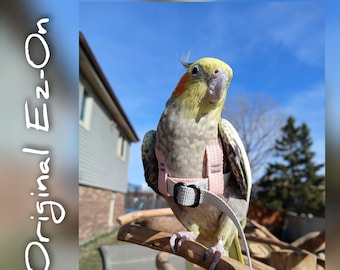
Credit: www.etsy.com
Frequently Asked Questions
What Materials Are Needed For A Bird Flying Harness?
To make a bird flying harness, you need soft leather or nylon straps, small buckles, and scissors. Ensure materials are lightweight and durable for bird comfort and safety.
How Do You Measure A Bird For A Flying Harness?
Measure the bird’s chest, neck, and wingspan carefully using a flexible tape. Accurate measurements ensure the harness fits snugly without restricting movement.
Is Making A Bird Flying Harness Safe For Pets?
Yes, if made correctly with proper materials and fit, the harness is safe. Always supervise your bird while using the harness to prevent accidents.
How Do You Train A Bird To Wear A Flying Harness?
Introduce the harness gradually by letting the bird explore it first. Use positive reinforcement and short sessions to help the bird adapt comfortably.
Conclusion
Making a bird flying harness is simple and rewarding. You only need a few materials and basic skills. Always measure your bird carefully for safety and comfort. A good harness lets your bird enjoy outdoor time safely. Practice patience while fitting the harness to your bird.
Watch your bird closely during the first flights. Enjoy the bond that grows with this shared experience. Keep your bird’s safety as your top priority. Crafting your own harness can save money and offer control. Try it step by step and see the joy it brings.