
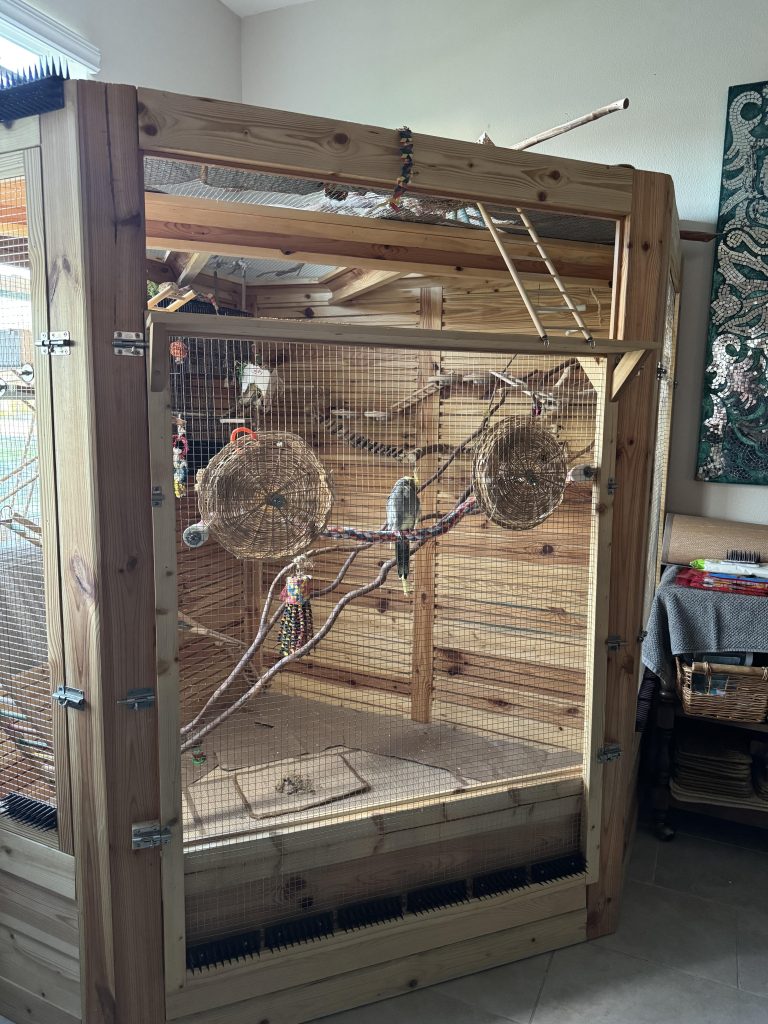
Do you ever find your pet birds restless at night or during nap times? Creating a cozy, comforting environment for them can make all the difference.
A homemade bird cage cover is not just a budget-friendly solution, but it also provides a sense of security and peace for your feathered friends. Imagine your birds snoozing soundly, shielded from drafts and bright lights. This simple DIY project can enhance their comfort and well-being, and you don’t need to be a craft expert to make it.
With a few materials and a bit of your time, you can craft the perfect cover that suits your bird’s needs. Ready to discover how easy it is to make a bird cage cover at home? Let’s get started and transform your bird’s habitat into a serene sanctuary.
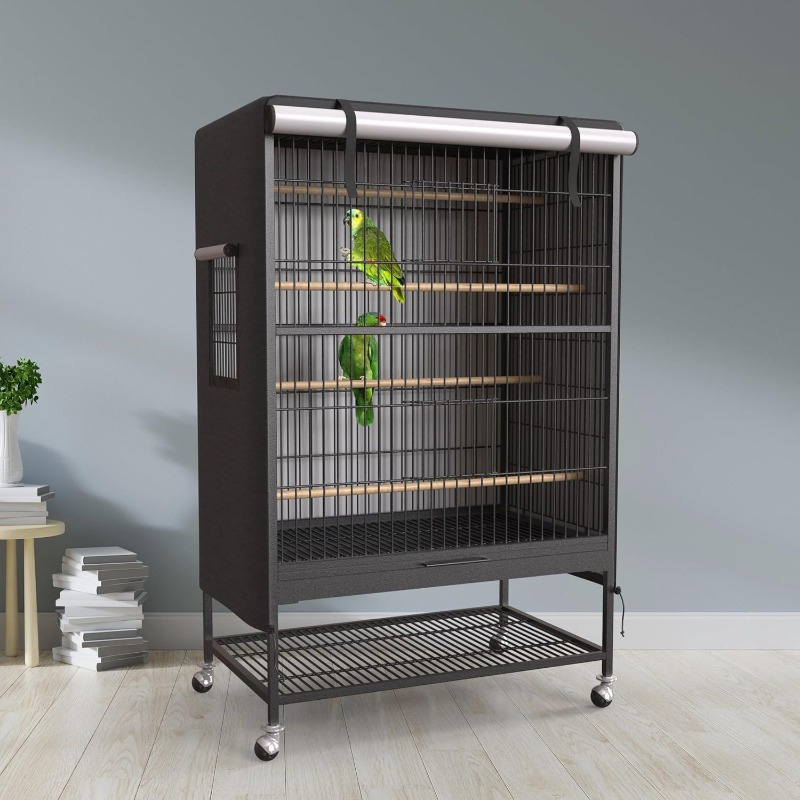
Credit: www.temu.com
Materials Needed
Before you start making a bird cage cover at home, gathering the right materials is essential. The quality and type of fabric you choose will determine how well your cover protects your bird from drafts, light, and noise. Alongside fabric, you’ll need a few basic supplies to bring your project to life smoothly and efficiently.
Choosing The Right Fabric
Pick a fabric that is breathable yet dense enough to block light and drafts. Cotton and flannel are popular choices because they are soft and easy to work with. Avoid synthetic fabrics that can trap heat or cause discomfort for your bird.
Consider how easy it is to clean the fabric. Birds can be messy, so washable materials save you time and effort. Also, think about the color and pattern—do you want something neutral or a design that brightens up your space?
Additional Supplies
Besides fabric, you’ll need some basic sewing tools. Sharp scissors, measuring tape, and pins will help you cut and shape your cover accurately. A sewing machine speeds up the process, but you can sew by hand if needed.
Don’t forget thread that matches your fabric color and some elastic or Velcro strips. These will help secure the cover snugly around the cage. Having a fabric marker or chalk is useful for marking measurements before cutting.

Credit: www.reddit.com
Step-by-step Instructions
Creating a bird cage cover at home can be a rewarding project that offers your feathered friend comfort and privacy. The process involves simple materials and straightforward steps you can easily follow. You’ll find that making a custom cover tailored to your bird’s cage size ensures a perfect fit and enhances your bird’s well-being.
Measuring Your Bird Cage
Start by measuring the height, width, and depth of your bird cage with a tape measure. Add a couple of extra inches to each dimension to allow for seams and to ensure the cover drapes nicely over the cage.
Don’t forget to measure any handles or protrusions that might need extra fabric or adjustments. Accurate measurements prevent the frustration of a cover that’s too tight or too loose.
Cutting And Sewing The Fabric
Choose a breathable fabric like cotton or flannel to keep your bird comfortable. Lay your fabric flat and mark your measurements using tailor’s chalk or a washable marker.
Cut the fabric carefully along your marks, then pin the pieces together to prepare for sewing. If you don’t have a sewing machine, fabric glue or iron-on tape can work for simple seams.
Sew along the edges, leaving one side open for easy removal and cleaning. Adding Velcro or buttons here allows you to quickly cover or uncover the cage.
Adding Finishing Touches
Consider adding a decorative trim or piping around the edges to prevent fraying and give your cover a polished look. You might also want to include a small flap for feeding or watering without removing the entire cover.
Test the cover on your cage to check the fit and functionality. Does it stay in place? Can you easily access the bird? Adjust as needed for the best experience.
Have you thought about how a well-made cover might reduce your bird’s stress during noisy or busy times? Small details like this make your effort truly worthwhile.
Tips For Maintenance
Maintaining your homemade bird cage cover is key to ensuring it lasts and continues to provide comfort for your feathered friend. A well-maintained cover stays clean, fresh, and functional, making your life easier and keeping your bird happy. Let’s look at simple yet effective ways to care for your cover on a regular basis.
Cleaning The Cover
Regular cleaning prevents dirt and dust buildup, which can irritate your bird’s respiratory system. Use a mild detergent and cold water to gently hand wash the cover. Avoid harsh chemicals that might leave harmful residues or strong smells.
After washing, air dry the cover completely before putting it back on the cage. Damp fabric can promote mold growth, which is dangerous for birds. If your cover has stubborn stains, spot clean with a soft brush rather than scrubbing aggressively.
Storage Suggestions
When not in use, store your bird cage cover in a dry, well-ventilated area to avoid mildew and odors. Folding the cover neatly reduces wrinkles and damage to the fabric. Consider placing it in a breathable cotton bag instead of plastic to keep moisture out.
Have you noticed how a well-stored cover retains its shape and freshness longer? Avoid piling heavy items on top of it to prevent creases or tears. Keeping your cover in good shape means less hassle when you need to use it again.

Credit: www.amazon.sa
Frequently Asked Questions
What Materials Are Best For Making A Bird Cage Cover?
Use breathable fabrics like cotton or fleece for bird cage covers. These materials provide warmth and ventilation, ensuring your bird stays comfortable and safe. Avoid synthetic materials that may cause overheating or restrict airflow.
How Do I Measure My Bird Cage For A Cover?
Measure the cage’s height, width, and depth accurately. Add extra inches for seams and hems to ensure a proper fit. This helps create a snug and effective bird cage cover that fully protects your pet.
Can I Make A Bird Cage Cover Without Sewing?
Yes, you can use fabric glue or iron-on adhesive tape to make a no-sew cover. These options allow quick assembly but may be less durable than sewn covers. Choose based on your skill and available tools.
How Often Should I Clean A Homemade Bird Cage Cover?
Wash the cover at least once a week to keep it clean and hygienic. Use mild detergent and cold water to prevent fabric damage. Regular cleaning helps maintain a healthy environment for your bird.
Conclusion
Making a bird cage cover at home is simple and rewarding. It helps your bird feel safe and calm. Use soft, breathable fabric for best results. Tailor the cover to fit your cage perfectly. This small project protects your bird from light and noise.
Plus, it saves money compared to store-bought covers. Enjoy crafting a cozy space your bird will love. Try different fabrics and designs to find what works best. Your bird’s comfort and happiness are worth the effort. Give it a try today.