

Are birds turning your outdoor spaces into their favorite hangout spot? It can be frustrating to find feathers, droppings, and the occasional chirp orchestra right outside your window.
You might wonder how to keep birds from perching without scaring them away permanently or harming them. The good news is, there are effective and humane solutions that can help you reclaim your space. Imagine enjoying a peaceful morning coffee on your porch, free from pesky feathered visitors.
Curious to know how? Keep reading to discover simple yet powerful strategies that will restore tranquility to your environment.
Common Spots Birds Choose
Birds choose certain spots to perch because these places offer safety, comfort, and a good view. Knowing where birds like to sit helps in preventing them from gathering in unwanted areas. These spots are often near food, water, or shelter. They also provide a good lookout for danger or other birds.
Popular Perching Areas
- Window sills and ledges
- Roof edges and gutters
- Outdoor light fixtures
- Balconies and railings
- Tree branches near homes
- Signs and poles
- Air conditioning units
Why Birds Pick These Spots
Birds want places that are high and safe from predators. They prefer spots with good visibility to watch for food or threats. Warm surfaces attract birds, especially in cold weather. Quiet spots with less human activity make birds feel secure. Easy access to food sources nearby also draws birds to perch.

Credit: www.amazon.ca
Physical Barriers To Block Perching
Physical barriers offer a practical way to stop birds from perching. These barriers make surfaces uncomfortable or impossible for birds to land on. They protect homes, gardens, and businesses from bird droppings and damage. Choosing the right barrier depends on the area and type of bird problem.
Bird Spikes And Nets
Bird spikes are strips with sharp points. They fit on ledges, roofs, and signs. Birds cannot land or settle on these points. Spikes do not harm birds but block their feet.
Bird nets create a physical wall. Nets cover open spaces like balconies or fruit trees. Birds cannot fly through or reach the area. Nets are durable and work well for large spaces.
Sloped Surfaces And Wire Systems
Sloped surfaces tilt at an angle that birds cannot perch on. These smooth, angled covers are easy to add to edges. Birds slide off and avoid landing.
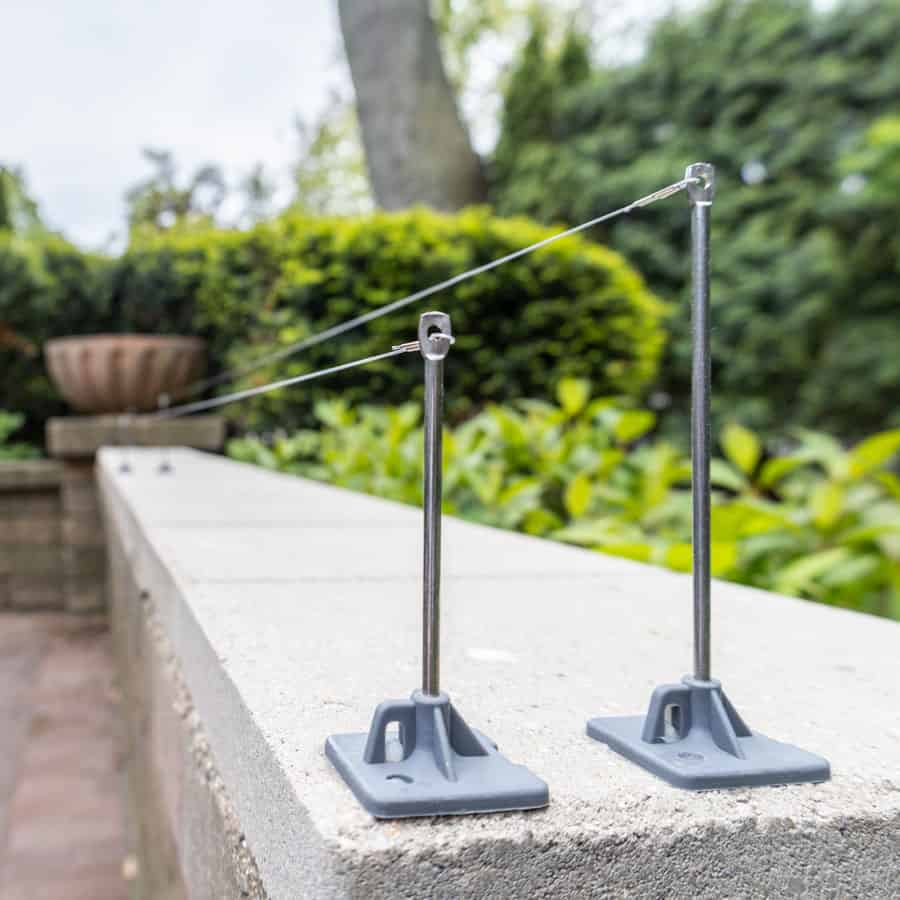
Wire systems use thin wires stretched tight over surfaces. Birds find it hard to balance on the wires. This method works on beams, ledges, and signs. The wires are almost invisible and do not spoil the look.
Using Visual And Sound Deterrents
Using visual and sound deterrents can be an effective way to keep birds from perching on your property. These methods disrupt birds’ comfort zones without causing them harm. They work by either confusing birds or making the area less appealing, encouraging them to find a different spot to settle.
Reflective Objects And Decoys
Reflective objects catch birds’ attention and make them uncomfortable. Shiny surfaces like aluminum foil strips, old CDs, or specially made reflective tape can create flashes of light that birds dislike.
Decoys such as plastic owls or hawks mimic predators and can scare birds away. However, to keep the effect strong, you need to move these decoys regularly. Birds get used to static objects quickly, so changing their position or using models with moving parts works better.
Have you noticed how a fluttering piece of tape or a spinning pinwheel can suddenly clear a porch? These simple tools often make a big difference with minimal effort.
Ultrasonic And Noise Devices
Ultrasonic devices emit sounds at frequencies birds can hear but humans cannot. These sounds create an uncomfortable environment for birds, making them avoid the area. However, the effectiveness varies by species and environment.
Noise devices that play predator calls or distress signals can also deter birds. Some models offer random intervals and different sounds to prevent birds from getting used to them. Just be mindful of neighbors when using loud noise deterrents.
Have you tried a sound device and found some birds still hanging around? Combining sound with visual deterrents usually improves results and keeps birds guessing.
Credit: bird-x.com
Maintenance And Prevention Tips
Keeping birds from perching on your property requires more than just physical barriers; it calls for consistent maintenance and thoughtful prevention. These steps help create an environment that’s less attractive to birds, reducing the chance they’ll settle in. Let’s look at some practical ways to keep your space clean and uninviting for unwanted guests.
Regular Cleaning
Birds are drawn to areas where they find leftover food, nesting material, or droppings. Cleaning surfaces like window sills, ledges, and outdoor furniture regularly can make a big difference. Use a strong spray of water or a mild detergent to remove droppings and debris promptly.
Think about how often you clean your outdoor spaces. If you leave bird droppings or nests for weeks, you’re practically sending an open invitation. Staying on top of cleaning disrupts their routine and encourages them to look elsewhere.
Removing Food Sources
Birds won’t linger if there’s no easy food nearby. Be vigilant about securing garbage bins with tight lids and avoid leaving pet food outside. If you have fruit trees or berry bushes, pick fallen fruit promptly to prevent attracting birds.
Do you feed birds in your yard? While feeding can be enjoyable, it also invites perching and nesting. Consider relocating feeders away from buildings or removing them during peak nesting seasons to discourage persistent visitors.

Credit: www.amazon.ca
Frequently Asked Questions
How Can I Prevent Birds From Perching On Ledges?
Use bird spikes or sloped surfaces on ledges to deter birds. These physical barriers stop birds from landing comfortably. Regular cleaning also removes nesting materials, discouraging birds from returning.
What Natural Methods Keep Birds From Perching Outdoors?
Reflective objects like mirrors or aluminum foil strips scare birds away. Wind chimes and predator decoys also help. These natural options are safe and environmentally friendly for bird control.
Are Bird Repellents Effective For Stopping Perching?
Yes, bird repellents like gels and sprays create sticky or slippery surfaces. Birds dislike these textures and avoid landing. Use repellents carefully to avoid harming birds or other wildlife.
How Does Sound Help In Keeping Birds From Perching?
Ultrasonic bird deterrents emit sounds birds find unpleasant. These devices are humane and non-invasive. They effectively reduce bird presence without disturbing humans or pets.
Conclusion
Keeping birds from perching can protect your property and keep it clean. Use simple tools like spikes, nets, or reflective objects to keep birds away. Regularly check and maintain these solutions for best results. Remember, patience is key; birds may take time to leave.
Stay consistent and avoid harming the birds. A peaceful space is possible with the right steps. Try different methods until you find what works best. Your efforts will create a bird-free area over time.