

Are you tired of birds constantly perching on your railing, leaving droppings and making a mess? You’re not alone.
Many homeowners face this frustrating problem every day. But what if you could enjoy a clean, bird-free railing without harming the birds? You’ll discover simple and effective ways to keep birds from perching on your railing. Keep reading to find easy solutions that protect your space and bring you peace of mind.
Credit: www.homedepot.com
Common Bird Perching Problems
Birds perching on railings might seem harmless at first, but it often leads to several frustrating problems. These issues can affect your outdoor space’s cleanliness, safety, and even your peace of mind. Understanding these common bird perching problems will help you find better solutions to keep your railings bird-free.
Mess And Damage Caused By Bird Droppings
Bird droppings can quickly ruin the look of your railing and nearby furniture. Over time, the acidic nature of droppings can corrode metal or damage paint finishes, leading to costly repairs. Have you noticed stains that just won’t wash off? That’s often the start of permanent damage.
Noise Disturbance And Unwanted Attention
Birds tend to be noisy, especially when they gather in groups. Their constant chirping and flapping can interrupt your quiet moments outside. Plus, noisy birds can attract more of their kind, turning a small problem into a full-blown invasion.
Health Risks Linked To Bird Perching
Birds can carry parasites and diseases that transfer through their droppings or nesting materials. These health risks aren’t just a minor inconvenience; they can pose serious threats, especially if you have children or pets. Would you want your family exposed to such hazards unknowingly?
Clogged Drainage And Structural Issues
Bird nests built on or near railings often block drainage systems. This blockage can cause water to pool, leading to rust or wood rot. Ignoring these signs might result in expensive structural damage that’s avoidable with early action.
Attracting Predators And Pests
Birds perched on railings can attract predators like hawks or even pests like rats. These unwanted visitors may create additional problems around your home. Have you considered how keeping birds away might also protect your property from other threats?
Physical Deterrents For Railings
Physical deterrents offer effective ways to stop birds from perching on railings. These devices create uncomfortable surfaces or barriers that discourage birds from landing. They require little maintenance and work well in different weather conditions. Using physical deterrents helps protect railings without harming birds.
Spikes And Strips
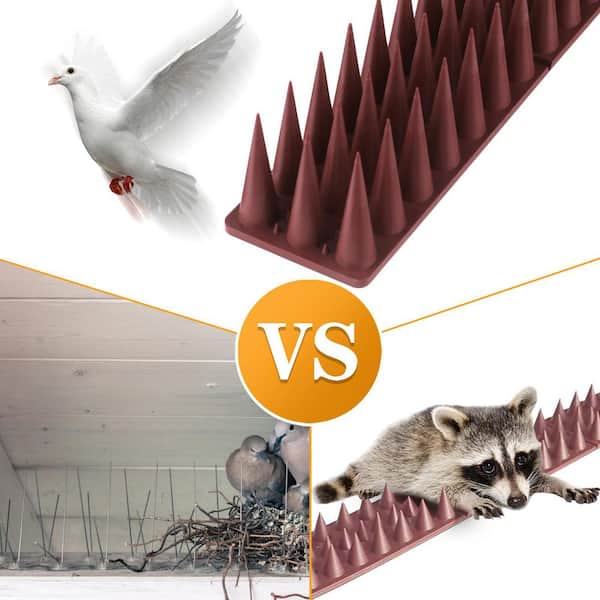
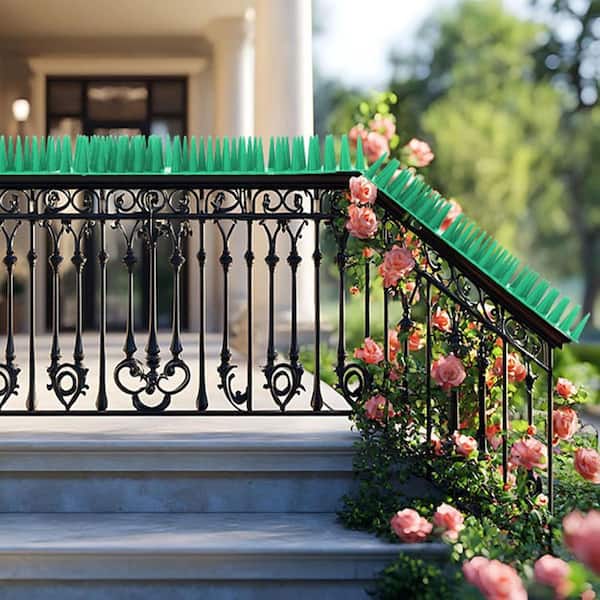
Bird spikes and strips are popular tools to keep birds away. They are made of plastic or metal and have thin spikes. The spikes do not harm birds but make it hard for them to land. Spikes can be installed along the top of railings easily. They blend well with most railing designs and are long-lasting.
Sloped Covers
Sloped covers create a smooth, angled surface on railings. Birds find it difficult to balance on these sloped edges. These covers can be made from metal or plastic and come in various sizes. They are simple to install and prevent birds from settling. Sloped covers also protect railings from rain and dirt.
Wire Systems
Wire systems use thin, tensioned wires stretched across the railing. The wires block birds from landing comfortably. This method is subtle and does not affect the railing’s appearance much. Wire systems require careful installation to keep wires tight and effective. They are good for areas with many birds.
Visual And Sound Deterrents
Visual and sound deterrents can be highly effective in keeping birds from perching on your railing. These methods play on birds’ natural instincts, making the area uncomfortable or confusing without causing them harm. You might find that combining several of these tactics works best to keep persistent birds away.
Reflective Objects
Birds are easily startled by bright, moving reflections. Hanging shiny objects like aluminum foil strips, old CDs, or reflective tape near your railing can create flashes of light that birds dislike.
Try moving these objects with the wind to increase the visual disturbance. You might notice birds avoiding your railing within days. Have you ever seen a bird suddenly fly away when a reflection caught its eye? That’s the effect you want.
Ultrasonic Devices
Ultrasonic devices emit high-frequency sounds that birds find uncomfortable but humans usually cannot hear. These devices can be placed near your railing to create an invisible barrier.
Keep in mind that effectiveness varies by species, so you may need to test different models. Many users report fewer birds after using these devices consistently for a week or two. Would you consider trying an ultrasonic option if it meant fewer bird droppings?
Decoys And Noise Makers
Placing decoys like fake owls or hawks can trick birds into thinking a predator is nearby. Move the decoys occasionally to keep birds from realizing they are fake.
Noise makers, such as wind chimes or motion-activated alarms, add another layer of disturbance. The sudden sounds surprise birds and discourage them from settling on your railing. Have you noticed how sudden noises can make birds instantly take flight? Using this to your advantage can keep your railing bird-free.

Credit: www.amazon.com
Maintenance And Habitat Modification
Maintaining your railing and changing the nearby environment can reduce birds from perching. This approach makes the area less attractive and comfortable for birds. Small changes can make a big difference in keeping birds away.
Regular Cleaning
Clean the railing often to remove bird droppings and nests. Dirty areas attract more birds. Use mild soap and water for cleaning. Keep the surface dry after washing. Regular cleaning sends a signal that the place is not safe for birds.
Removing Food Sources
Birds come where food is easy to find. Remove any crumbs, seeds, or pet food near the railing. Avoid leaving food outside. Store trash in closed bins. Without food, birds will look for other places to perch.
Trimming Nearby Plants
Trim bushes and trees close to the railing. Overgrown plants give birds shelter and hiding spots. Keep branches away from the railing to reduce access. A clear area around the railing makes birds feel exposed and unsafe.
Credit: www.homedepot.com
Frequently Asked Questions
How Can I Stop Birds From Perching On My Railing?
To deter birds, use physical barriers like bird spikes or netting. Visual deterrents such as reflective tape or owl decoys can also help. Regularly moving these deterrents is essential to prevent birds from getting used to them. Combining multiple methods often yields the best results in keeping birds away.
What Are Effective Bird Deterrents For Railings?
Bird spikes, netting, and reflective tape are effective deterrents. Spikes prevent birds from landing, while netting blocks access. Reflective tape scares birds with its movement and shine. Owl or predator decoys can also be used. Changing deterrents’ positions regularly increases effectiveness and prevents birds from adapting.
Why Do Birds Perch On Railings?
Birds perch on railings for rest, vantage points, and safety from ground predators. Railings offer stable surfaces and good views for spotting food or threats. They are also convenient due to their height and accessibility. Understanding these reasons can help in implementing effective deterrent strategies.
Are Bird Spikes Harmful To Birds?
No, bird spikes are not harmful to birds. They are designed to deter birds by preventing landing. The spikes are blunt and only create an uncomfortable landing surface. They are a humane method to keep birds from perching on unwanted areas without causing injury to them.
Conclusion
Keeping birds off your railing helps protect your space and keeps it clean. Simple tools like bird spikes, decoys, or reflective tape work well. Regular checks ensure these solutions stay effective over time. Patience is key; birds may take time to move on.
Try different methods to find what fits your area best. A bird-free railing means less mess and more peace. Small efforts bring big changes to your outdoor comfort. Stay consistent, and enjoy a clearer, nicer railing space every day.