

Are you tired of waking up to the sound of chirping birds nesting under your roof? You’re not alone.
While birds can be a delightful part of nature, having them set up home above your head can lead to noise, mess, and even damage to your property. Imagine being able to enjoy the peacefulness of your home without the added stress of unwanted avian tenants.
You’ll discover effective strategies to keep birds from nesting under your roof, ensuring your home remains a serene sanctuary. Ready to regain control of your space and protect your home? Let’s dive in and explore solutions that really work.
Common Birds That Nest Under Roofs
Birds often seek safe spots to build their nests, and the space under roofs offers just that. Knowing which birds are likely to nest there helps you take effective action. Some common species are more persistent and clever than others, making prevention a bit tricky.
Species To Watch
- Pigeons:These urban dwellers are known for nesting in roof eaves and ledges. They prefer flat surfaces and often return to the same spot year after year.
- House Sparrows:Small and social, they build nests in cavities and under roof tiles. Their nests can cause blockages in vents and gutters.
- Swallows:These birds like to build mud nests under the eaves of roofs. Their sticky nests can damage surfaces and create unsightly messes.
- Starlings:Aggressive nesters that compete for space under roofs. They can quickly take over if left unchecked.
Nesting Habits
Each bird species chooses nesting spots based on safety and shelter. Pigeons prefer ledges that offer protection from predators and weather. You might notice droppings and feathers accumulating near their nests.
House sparrows often use small gaps and holes under shingles or tiles. Their nests are made of twigs, feathers, and other soft materials, which can clog drainage areas. Swallows collect mud and grass to form cup-shaped nests firmly attached to surfaces.
Starlings are cavity nesters and often squeeze into tight spaces under roofs or vents. They are noisy and can create a lot of disturbance. If you notice increased bird sounds around your roof, it’s a sign that they might be nesting there.
Have you checked your roof’s hidden corners lately? Spotting early signs of nesting can save you from costly repairs and health risks.
Credit: www.modernexteriorroofing.com
Signs Of Bird Nesting Activity
Birds nesting under the roof can cause damage and noise problems. Early detection helps stop bigger issues. Signs of bird nesting activity often appear before nests become obvious. Pay attention to sounds and physical traces.
Noise And Droppings
Birds make loud chirping and fluttering sounds near their nest. These noises increase during early morning and late afternoon. Scratching or rustling sounds may come from roofing materials.
Droppings accumulate below the nesting site. Look for white or dark stains on walls, gutters, or window sills. Bird droppings can damage paint and wood over time.
Visible Nests
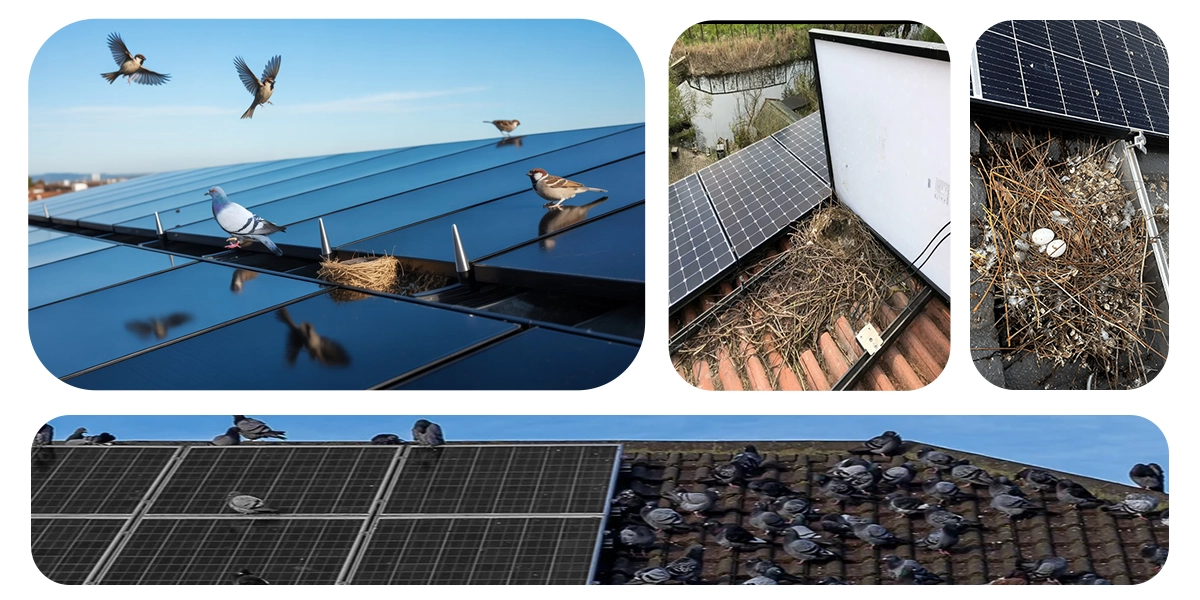
Nests often appear in corners, eaves, or under roof overhangs. They look like collections of twigs, leaves, or feathers. Some birds use mud or grass to build their nests.
Check for small entrances or holes where birds can enter. Nests can vary in size but usually stay hidden in tight spaces. Spotting nests early helps remove them safely.
Physical Barriers To Deter Birds
Physical barriers are some of the most effective ways to stop birds from nesting under your roof. They create a direct obstacle that birds can’t easily bypass. If you want a long-term solution, focusing on these barriers makes a lot of sense.
Netting And Spikes
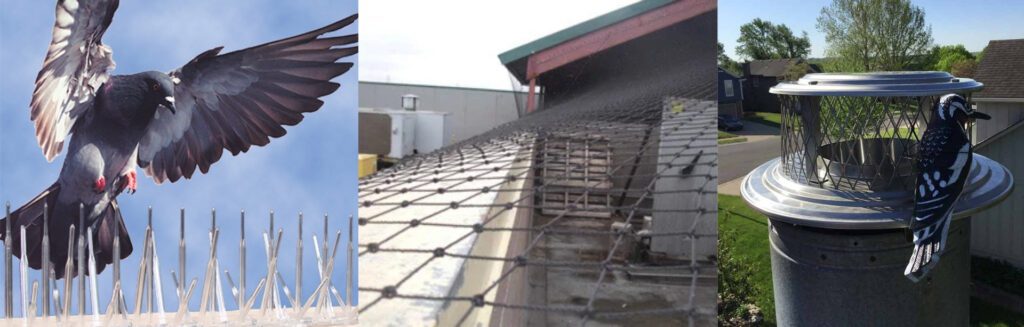
Bird netting is a flexible option that you can attach around roof edges or openings. It prevents birds from entering tight spaces without harming them. The key is to choose a durable, weather-resistant net with small enough gaps to block even smaller birds.
Spikes work differently by making surfaces uncomfortable for birds to land on. You can place them along ledges, gutters, and rafters where birds often try to settle. They don’t injure birds but discourage them from nesting by removing their landing spots.
Have you noticed areas around your roof where birds tend to perch? Installing spikes there can quickly change their behavior.
Sealing Entry Points
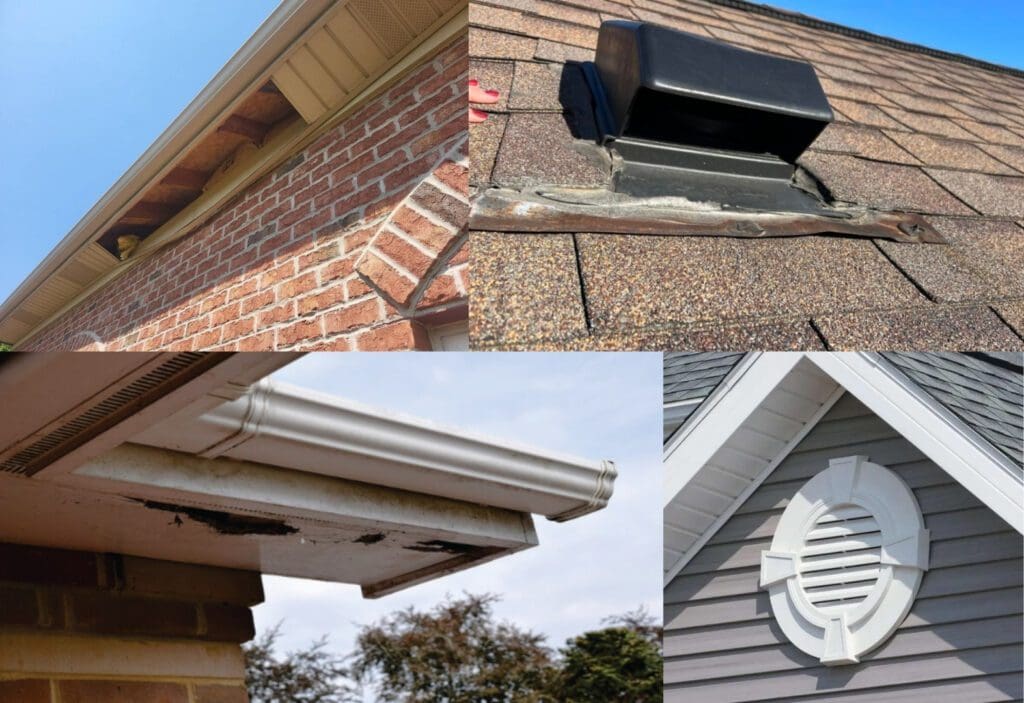
Sealing any openings or cracks under your roof is essential. Birds often squeeze through tiny gaps to build nests in hidden spaces. Using caulk, wire mesh, or foam sealant can close these gaps effectively.
Inspect your roof carefully, especially around vents, pipes, and eaves. Even small holes can become prime nesting sites. Sealing them not only keeps birds out but also improves your home’s energy efficiency.
Think about the last time you saw birds enter a tight spot—what if that spot was blocked? Simple fixes like this can save you from bigger problems later.
Credit: www.modernexteriorroofing.com
Safe Repellents And Deterrents
Keeping birds from nesting under your roof doesn’t have to involve harmful chemicals or risky traps. Safe repellents and deterrents offer a humane way to protect your home while respecting wildlife. These solutions work by making your roof less appealing to birds, encouraging them to find safer spots elsewhere.
Visual Deterrents
Birds rely heavily on sight, so visual deterrents can be very effective. Items like shiny tape, reflective discs, or even fake predators such as owls and hawks can scare birds away. You might have noticed how birds avoid shiny car bumpers or fluttering aluminum strips in gardens.
Try moving these deterrents around regularly. Birds are smart and get used to static objects quickly. Changing their position keeps birds guessing and less likely to settle near your roof.
- Reflective tape or old CDs that catch sunlight
- Plastic owls or hawk decoys
- Wind-activated spinners or pinwheels
Sound Devices
Sound can disrupt birds’ comfort zones without causing harm. Devices that emit distress calls or predator noises make your roof an unwelcoming place. However, using sound devices requires balance—too much noise might annoy your neighbors or even you.
Consider timers or motion-activated devices that only turn on when birds approach. This targeted approach reduces constant noise and makes the deterrent more effective. Have you ever noticed how sudden loud sounds cause birds to fly away quickly? That’s the principle behind these devices.
- Ultrasonic bird repellents
- Recorded distress calls of common local birds
- Motion-activated alarms or noise makers
Credit: solarsme.com
Frequently Asked Questions
How Can I Prevent Birds From Nesting Under My Roof?
Use bird deterrents like spikes, netting, or wire mesh under roof eaves. Regularly inspect and seal entry points to block access.
What Materials Are Best To Keep Birds Away From Roofs?
Install metal mesh, plastic netting, or bird spikes. These materials are durable and effectively block nesting spots.
Are Bird Repellents Safe For Home Use?
Yes, most bird repellents like gels or sprays are safe when used as directed. Choose non-toxic, humane products to avoid harm.
Why Do Birds Choose Roofs For Nesting?
Roofs provide shelter, warmth, and protection from predators. The overhangs and gaps make ideal nesting spots for many bird species.
Conclusion
Keeping birds from nesting under your roof takes some care and effort. Use bird deterrents like nets or spikes to block access points. Regularly check your roof for early signs of nests. Seal small holes and gaps where birds might enter.
Clean areas where birds tried to nest before. Stay patient and consistent with these steps. Your home will stay safe and bird-free. A little attention now saves big problems later. Protect your roof and enjoy peace of mind.