

Are you tired of finding bird nests clogging your gutters every spring? Birds nesting in your gutters can cause serious damage, block water flow, and lead to costly repairs.
But don’t worry—there are simple, effective ways to keep your gutters bird-free. You’ll discover easy tips that protect your home and save you time and money. Keep reading to learn how to stop birds from making your gutters their new home.
Common Birds That Nest In Gutters
Birds nesting in gutters can cause blockages and damage, but knowing which birds are most likely to make your gutters their home helps you take targeted action. Some species prefer gutters because they offer shelter and easy access to food sources nearby. Identifying these common birds can help you choose the right prevention methods for your home.
House Sparrows
House sparrows are small, social birds that often build nests in gutters. They use grass, feathers, and small twigs to create cozy spaces. These birds can be persistent, returning year after year if you don’t remove their nests promptly.
Swallows
Swallows love gutters because they provide protection from predators and harsh weather. They build mud nests, which can be tough to remove once hardened. Have you noticed a sudden increase in insect activity around your home? Swallows are likely nearby, as they feed on flying insects.
Starlings
Starlings are larger and more aggressive nesters. They often push out smaller birds to claim gutter space. Their nests can become quite messy and may block water flow, increasing the risk of gutter damage.
Robins
Robins prefer to nest in gutters that offer a flat surface and easy access. Their nests are made from mud and grass and are usually visible. If you spot robin nests, avoid disturbing them until the chicks have fledged to prevent abandonment.
Wrens
Wrens are tiny but highly adaptable birds that use gutters for nesting. They build compact nests and can fit into very small gutter spaces. Their nests are usually made from twigs, moss, and feathers, making them well-hidden but easy to spot if you look closely.
Why Birds Choose Gutters
Birds often pick gutters as nesting spots because these narrow spaces offer a mix of safety and convenience. The sheltered environment protects them from predators and harsh weather, making gutters an attractive choice. Understanding why birds choose gutters can help you take effective steps to keep them away.
Protection From Predators
Gutters provide a hidden spot that keeps birds safe from cats, raccoons, and other predators. The narrow space and height make it hard for these threats to reach their nests. Have you noticed how birds prefer spots that feel secure? Gutters fit this need perfectly.
Availability Of Building Materials Nearby
Birds look for easy access to twigs, leaves, and other materials to build their nests. Gutters often collect debris like leaves and small branches, making it a convenient source for birds. When nesting materials are just a flap away, it’s no surprise they linger around gutters.
Proximity To Food Sources
Birds want to build nests close to reliable food supplies. Gutters near gardens, fruit trees, or bird feeders offer a convenient location. When you think about your own home, do you place bird feeders near gutters? This could be inviting birds to settle there.
Stable Structure And Support
Gutters provide a solid base for birds to anchor their nests. Unlike loose branches, gutters don’t sway with the wind, offering stability. You might not realize that birds prefer building on stable surfaces to avoid nest collapse.
Quiet And Less Disturbance
Birds want peaceful nesting spots with minimal human activity. Gutters, especially on less-used parts of your home, offer a quiet refuge. Do you have areas on your house that you rarely visit? These spots might be prime nesting real estate for birds.
Simple Gutter Bird Deterrents
Keeping birds from nesting in gutters protects your home from damage and clogs. Simple gutter bird deterrents can stop birds without harm. These methods are easy to use and effective.
Physical Barriers
Physical barriers block birds from landing or building nests. They include mesh screens, gutter guards, and spikes. Mesh screens cover gutters to keep birds out but let water flow. Gutter guards fit over gutters to prevent debris and nests. Spikes stop birds from perching by making the surface uncomfortable. These barriers need proper installation to work well.
Visual Deterrents
Visual deterrents scare birds by mimicking threats. Reflective tape and predator decoys are common choices. Reflective tape shines in the sunlight and moves with the wind. This movement confuses birds and keeps them away. Predator decoys look like hawks or owls. Birds see these and avoid the area. Change decoy positions often to keep birds unsure.
Sound Repellents
Sound repellents use noise to frighten birds from gutters. Ultrasonic devices emit sounds birds dislike but humans cannot hear. Recorded distress calls play bird warning sounds. These create an uncomfortable environment for birds. Sound repellents work best with other deterrents. Use them during bird nesting seasons for best results.
Credit: local.yahoo.com
Maintenance Tips To Prevent Nesting
Keeping gutters free from bird nests requires regular care and attention. Birds often choose gutters for nesting because of the shelter and materials found there. Proper maintenance helps stop birds before they build nests. Simple steps can protect gutters and keep birds away.
Regular Cleaning
Cleaning gutters often removes leaves, twigs, and debris. These materials attract birds as nesting spots. Clear gutters prevent water damage and discourage birds from settling. Use gloves and tools to remove buildup safely. Aim to clean gutters at least twice a year.
Gutter Guards
Gutter guards block birds from entering gutters. They also keep out leaves and dirt. Installing guards creates a smooth surface, making it hard for birds to perch. Choose guards that fit your gutter type well. This simple barrier reduces nesting chances effectively.
Seasonal Inspections
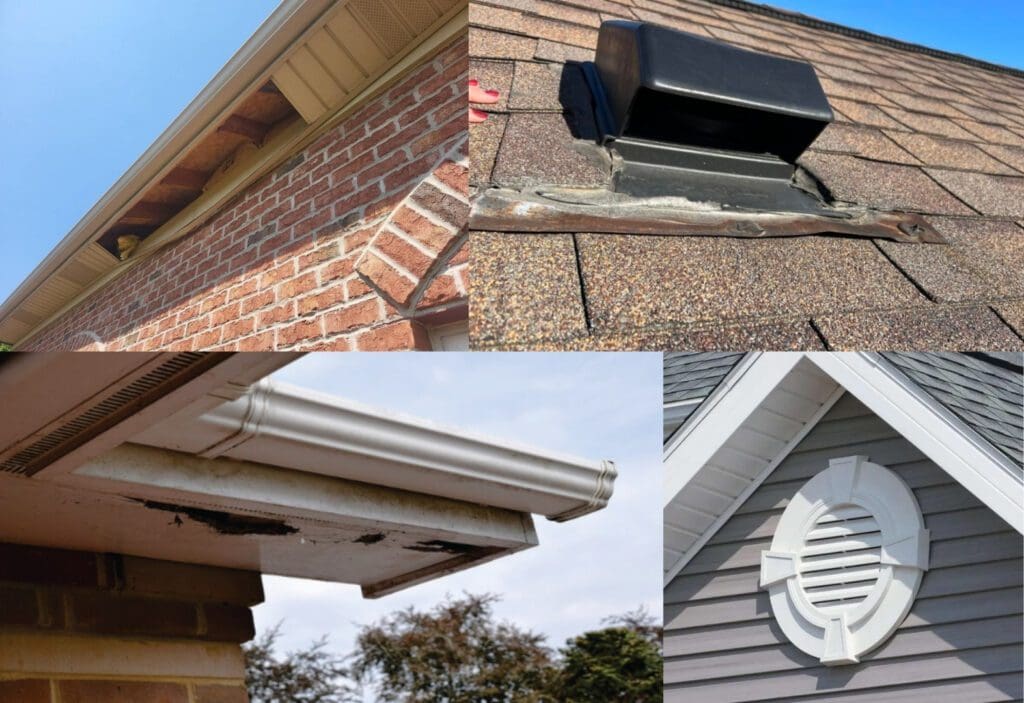
Check gutters every season for signs of nests or damage. Early spotting helps remove nests before birds settle. Look for droppings, feathers, or twigs. Fix any broken parts to avoid shelter spots. Regular inspections keep gutters bird-free and working well.
Credit: www.modernexteriorroofing.com
Frequently Asked Questions
How Can I Prevent Birds From Nesting In Gutters?
Installing gutter guards is an effective way to prevent birds from nesting. These guards block debris while allowing water flow. Additionally, regularly cleaning your gutters removes potential nesting materials. Consider adding bird deterrents like spikes or reflective objects to keep birds away.
These solutions help maintain a bird-free gutter system.
Why Do Birds Choose Gutters For Nesting?
Birds choose gutters for nesting because they offer shelter and protection from predators. Gutters provide an elevated, hidden area that is often undisturbed. The space is ideal for building nests, especially if debris has accumulated. Understanding this behavior helps in implementing preventive measures to deter them from nesting.
What Are The Consequences Of Birds Nesting In Gutters?
Birds nesting in gutters can lead to blockages and water overflow. This may cause structural damage to your home. Nesting materials and droppings can also create unsanitary conditions. Additionally, the presence of birds can attract pests and increase maintenance needs.
Preventing nesting helps avoid these potential problems.
Are There Natural Ways To Keep Birds Out Of Gutters?
Yes, there are natural ways to deter birds from gutters. Placing decoy predators like owls can scare birds away. Using essential oils with strong scents, such as peppermint, can repel them. Additionally, planting bird-deterring plants nearby can discourage nesting. These eco-friendly methods help maintain clean gutters without harming birds.
Conclusion
Keeping birds from nesting in gutters protects your home and keeps gutters clear. Use simple tools like screens or mesh to block their access. Regular cleaning helps spot nests early and stop problems fast. Small efforts now save big repairs later.
Stay consistent and patient for best results. A bird-free gutter means better water flow and less damage. Take action today to keep your gutters clean and safe.