

Are you tired of birds turning your home or garden into their nesting haven? You’re not alone.
Many homeowners face the same challenge and are looking for effective ways to keep these feathered friends from setting up camp in unwanted areas. Imagine stepping into your peaceful garden or relaxing on your porch without the constant worry of bird mess and noise.
Sounds good, right? You’ll discover simple yet powerful strategies to prevent birds from nesting where they shouldn’t. You’ll learn tips that are not only humane but also easy to implement. Get ready to reclaim your space without causing harm to these creatures. Stick around to find out how you can make your home less inviting for nesting birds and enjoy a cleaner, quieter environment.
Credit: solarsme.com
Common Birds That Nest Unwanted
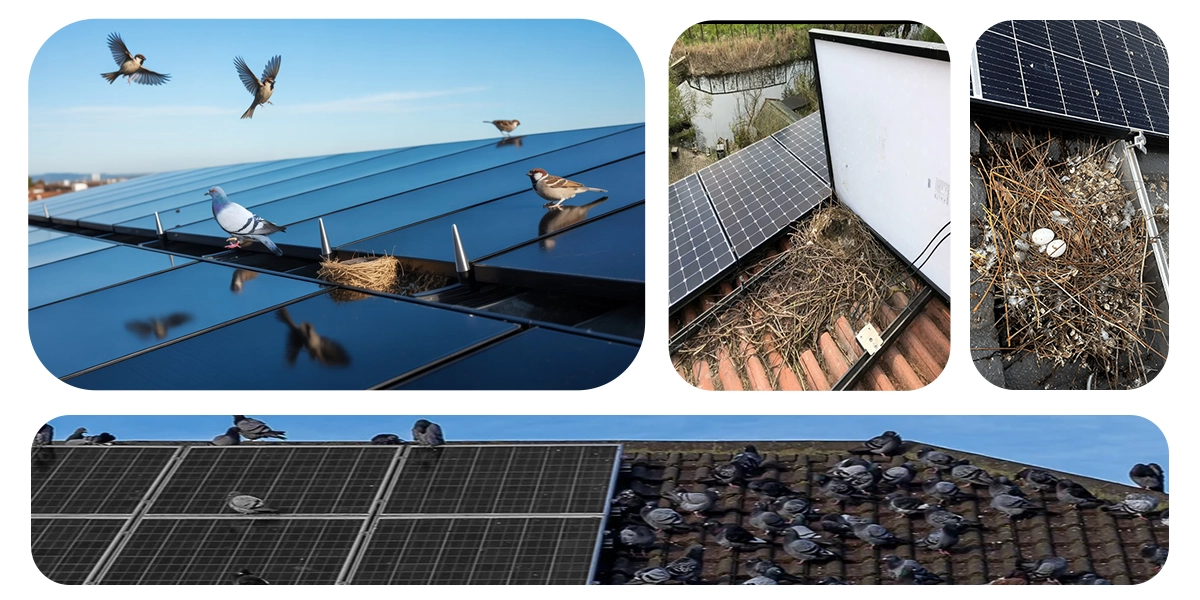
Many birds build nests in places where people do not want them. These birds often choose roofs, vents, or garden areas. Their nests can cause damage or mess. Knowing which birds tend to nest unwanted helps to manage the problem better.
Some birds are more common nesters around homes and buildings. They adapt well to human spaces. These birds can be persistent and hard to deter.
House Sparrows
House sparrows are small, social birds. They often nest in eaves, gutters, and vents. Their nests are messy and can block drainage. They breed quickly and form large groups.
Pigeons
Pigeons like flat surfaces for nesting. They prefer ledges, roofs, and balconies. Pigeon droppings can damage structures and create health risks. Their nests are bulky and made of sticks.
Starlings
Starlings nest in holes and crevices. They often enter vents or gaps in buildings. These birds are noisy and aggressive. Their nesting causes damage to insulation and wiring.
Swallows
Swallows build mud nests under eaves or bridges. Their nests stick to walls and ceilings. Droppings from swallows can stain surfaces. They return to the same spot yearly.
Woodpeckers
Woodpeckers drill holes in wooden structures. They create cavities to nest inside. Their drilling can weaken wood and cause damage. They prefer older or soft wood.
Credit: www.modernexteriorroofing.com
Safe Deterrent Methods
Keeping birds away from nesting areas without causing them harm is important for both your space and the birds’ well-being. Safe deterrent methods work by gently encouraging birds to move on without injury or stress. These approaches focus on creating an environment that feels uncomfortable or risky to birds but remains safe and humane.
Visual Scare Devices
Visual scare devices catch birds’ attention and make them think twice before settling down. Reflective tape, shiny objects, or predator decoys like fake owls can create a sense of danger. You might notice birds avoiding your garden after you hang strips of reflective tape that flutter in the wind.
Changing the position of these devices regularly keeps birds from getting used to them. Have you tried moving a decoy owl every few days? It often works better than leaving it in one spot.
Sound-based Repellents
Sounds can disrupt bird activity without causing harm. Ultrasonic devices emit high-frequency sounds that birds dislike, yet are mostly inaudible to humans. Recorded predator calls played at intervals can also discourage birds from nesting nearby.
Use sound repellents thoughtfully to avoid disturbing neighbors or pets. Consider timing the sounds during peak nesting hours for maximum effect.
Physical Barriers
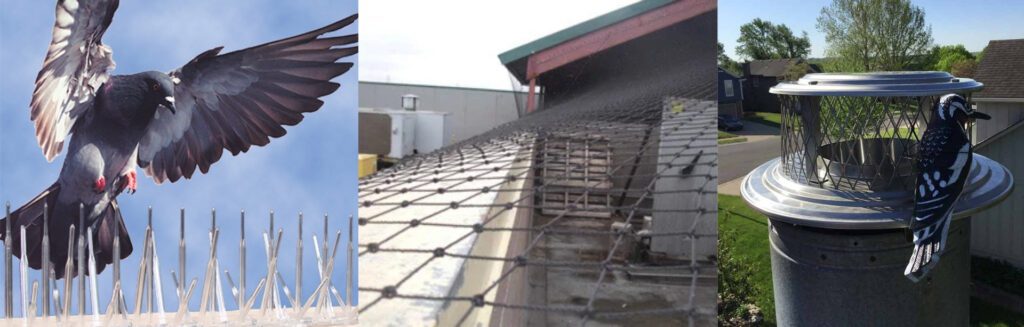
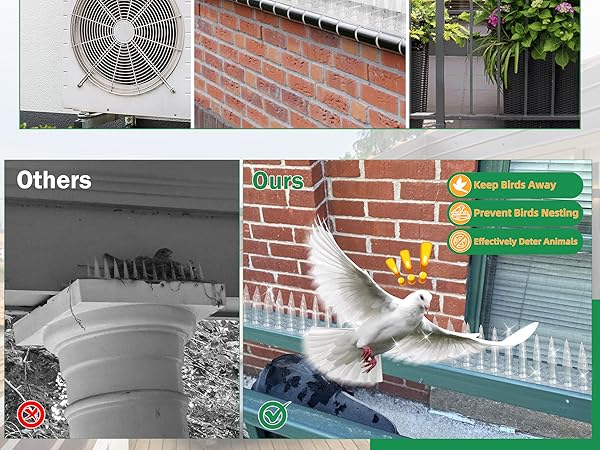
Physical barriers stop birds from accessing nesting spots directly. Netting, wire mesh, or spike strips on ledges and eaves block birds from landing or building nests. These barriers are effective because they don’t rely on scaring birds away but prevent them from settling in the first place.
Installing barriers requires a bit of effort but offers a long-term solution. Have you inspected your property for hidden nesting spots like vents or gutters? Covering these areas can make a big difference.
Natural Solutions To Repel Birds
Natural solutions offer safe and eco-friendly ways to keep birds from nesting where they are not wanted. These methods work by making the area less inviting without causing harm. Using plants and homemade repellents can create an environment that birds avoid naturally.
Plant Choices
Certain plants can help deter birds due to their smell or texture. Planting these around your garden or home can reduce bird visits.
- Marigolds:Their strong scent repels many bird species.
- Lavender:Birds dislike the fragrance and often avoid areas where it grows.
- Mint:Its sharp smell keeps birds at bay and can be grown in pots.
- Rosemary:This herb has a pungent aroma that birds tend to avoid.
Choose plants that suit your climate and place them near entry points or areas where birds tend to nest.
Homemade Repellents
Simple homemade repellents can be effective and easy to prepare. Use common ingredients to create sprays or barriers that birds dislike.
- Vinegar Spray:Mix equal parts water and vinegar. Spray on surfaces to deter birds.
- Garlic Water:Crush garlic cloves and soak them in water overnight. Spray this solution on plants or ledges.
- Chili Pepper Spray:Blend chili peppers with water. Strain and spray to keep birds away.
- Soap Solution:Mix a few drops of liquid soap with water. Spray on areas where birds gather.
Apply repellents regularly, especially after rain, for best results. Test sprays on small areas first to avoid damage.
Credit: www.amazon.com
Maintenance Tips To Prevent Nesting
Keeping birds from nesting on your property often requires consistent maintenance. Small actions taken regularly can make a big difference in discouraging birds from settling in unwanted spots. Let’s look at practical steps you can take that blend easily into your routine.
Regular Cleaning
Birds are attracted to areas that feel safe and undisturbed. If you clean your outdoor spaces often, you remove that sense of security. Sweep patios, clear gutters, and wash down ledges to eliminate debris and food scraps that might lure birds.
Think about how a cluttered space invites unwanted guests. By tidying up daily or weekly, you send a clear message that the area is not a good nesting site. Have you noticed how birds avoid places that are busy and well-maintained?
Removing Nesting Materials
Birds collect twigs, leaves, and other soft materials to build nests. Removing these items from your yard or building exterior interrupts their nesting process. Check common nesting spots such as eaves, window sills, and vents regularly.
Taking a few minutes to clear away sticks or feathers can prevent a full nest from forming. You might even find that birds look elsewhere once their building materials disappear. What materials do you often find around your home that could be attracting them?
Frequently Asked Questions
How Can I Prevent Birds From Nesting On My Property?
Use bird deterrents like spikes, netting, or reflective objects. Keep areas clean and remove food sources. Regularly inspect and block potential nesting spots to discourage birds.
What Natural Methods Keep Birds Away From Nesting?
Planting certain herbs like mint or using predator decoys can help. Noise makers and wind chimes also deter birds naturally without harm.
Are There Safe Repellents To Keep Birds From Nesting?
Yes, gel repellents and ultrasonic devices are safe options. They discourage birds without causing injury or stress, making them humane and effective.
When Is The Best Time To Remove Bird Nests?
Remove nests before eggs hatch or birds fledge. Early spring or late winter is ideal to avoid harming birds and comply with regulations.
Conclusion
Keeping birds away from nesting areas requires patience and care. Use safe methods that do not harm the birds. Regularly check and clean the space to discourage nesting. Try different techniques to see what works best for your situation. Protect your property while respecting wildlife.
Small efforts can lead to a big difference. Stay consistent and observe the results closely. This approach helps maintain a bird-free zone naturally.