

Are you tired of waking up to find twigs and feathers scattered around your porch or windowsill? Birds building nests in unwanted places can be a charming sight at first, but they often bring mess and noise that can quickly become a nuisance.
Whether it’s your porch light, gutter, or a cozy nook near your window, birds seem to have a knack for choosing the least convenient spots to settle down. You’re not alone in this. Many homeowners face the same challenge, wondering how to gently persuade these feathered architects to relocate.
In this guide, we’ll explore simple, effective strategies to keep birds from building nests where you don’t want them. Stick around to discover how you can maintain a bird-free zone without causing harm to our avian friends. Your peaceful mornings are just a few steps away!

Credit: www.reddit.com
Common Nesting Spots
Birds look for safe and cozy spots to build their nests. Knowing where they prefer to settle helps you spot and prevent early nesting attempts. Paying attention to these common nesting spots can save you from surprises later.
Popular Areas Birds Choose
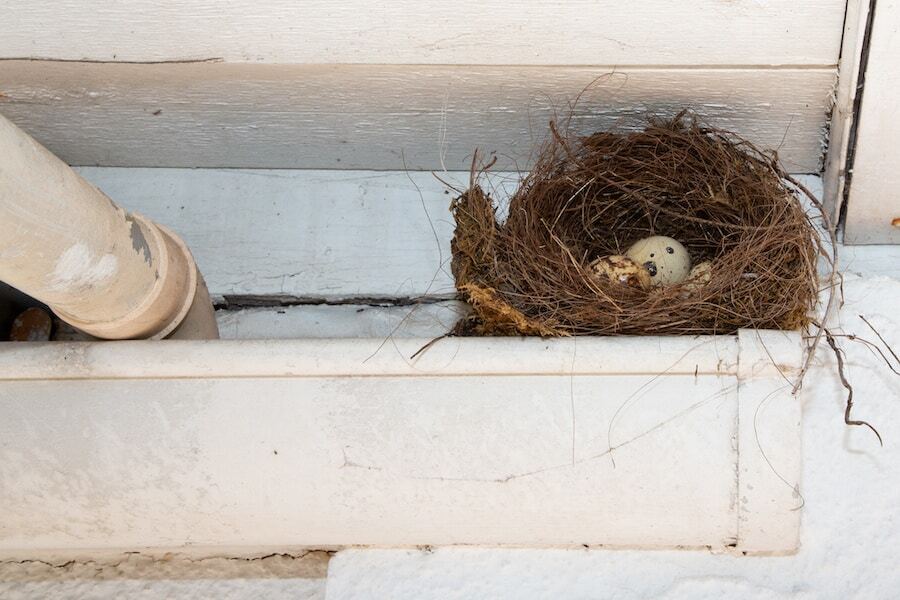
Birds often pick sheltered locations close to food and water. You might find nests under roof eaves, inside vents, or in dense shrubs near your home. Garden sheds, window ledges, and even outdoor furniture are also popular.
Some species prefer tall trees or thick bushes, while others go for quiet corners of porches or garages. Have you noticed birds repeatedly visiting one spot? That’s a strong sign they might start building there soon.
Signs Of Early Nesting Activity
Early signs include birds carrying twigs, leaves, or grass to a particular spot. You might see them repeatedly landing in the same area or hear soft chirping sounds. Small piles of nesting material are a clear warning.
Look for disturbed leaves or loose debris in hidden corners. Watching for these signs daily can give you enough time to act before the nest takes shape. What would happen if you spot these early signs but do nothing?
Credit: www.callnorthwest.com
Physical Barriers
Physical barriers provide a straightforward way to stop birds from building nests where you don’t want them. These solutions work by blocking access to potential nesting spots, making it difficult or impossible for birds to settle in. You can use materials that are durable and safe, which helps keep your space bird-free without causing harm.
Netting And Mesh Solutions
Netting and mesh are effective tools to cover areas like eaves, balconies, and vents. They create a physical block that birds can’t get through, preventing them from reaching ledges or crevices. Choose a mesh size small enough to keep out even tiny birds, but large enough to allow airflow and light.
I once installed bird netting around my porch after repeated nesting attempts. It was surprising how quickly the birds moved on once their access was cut off. You can secure netting with hooks, staples, or tension wires depending on the surface.
- Use UV-resistant netting for longer durability outdoors.
- Ensure the netting is taut to avoid sagging where birds could get trapped.
- Check regularly for damage or gaps and repair promptly.
Using Spikes And Repellents
Bird spikes are another popular barrier. They don’t harm birds but make landing uncomfortable on ledges, beams, or rooftops. Spikes come in plastic or metal varieties and are easy to install with adhesive or screws.
Applying bird repellents can add an extra layer of defense. Gel repellents create sticky surfaces that birds avoid, while reflective tape or decoys can scare them away. Make sure repellents are safe for the environment and pets around your home.
- Place spikes on narrow surfaces where birds prefer to perch.
- Combine spikes with repellents for a stronger deterrent effect.
- Reapply repellents after rain or according to product instructions.
Have you noticed certain spots where birds always try to nest? Target those areas with these physical barriers first. Your proactive approach will discourage birds from settling and keep your property neat and nest-free.
Environmental Changes
Changing the environment around your home can strongly influence whether birds decide to build a nest nearby. Birds look for specific signs like food availability, shelter, and safety before settling down. By adjusting these factors, you can make your space less appealing for nesting.
Removing Attractants
Birds are drawn to places where they find easy food and water. If you remove bird feeders, uncovered trash bins, and standing water sources, you reduce their interest. I once noticed that after covering my compost bin and regularly clearing fallen fruit, the birds stopped visiting my backyard.
Keep your yard clean and free from scraps that attract insects, another food source for birds. Avoid leaving pet food outside and secure your garbage with tight lids. These simple steps can discourage birds from seeing your property as a reliable food spot.
Altering Landscape And Surroundings
Birds seek quiet, sheltered spots for nesting. You can change your landscape to eliminate these perfect hideouts. Trimming tree branches, especially those close to your house, removes potential nesting sites.
Consider planting thorny bushes or dense shrubs that are less inviting for birds to nest in. Changing the shape and density of your garden can make a big difference. Have you thought about how the layout of your yard might be inviting birds without you realizing it?
Safe Deterrents
Keeping birds from building nests in unwanted areas requires gentle and safe methods that don’t harm the birds or disrupt their natural behavior. Safe deterrents rely on creating an environment that feels unwelcoming to birds without causing them stress or injury. These techniques respect wildlife while protecting your space effectively.
Visual Deterrents
Birds react strongly to visual signals that suggest danger. Hanging shiny objects like old CDs or aluminum foil strips can confuse and scare them away. You might also use plastic predators such as owls or hawks, but keep in mind birds can get used to them if they stay in one spot too long.
Moving these visual deterrents regularly makes your efforts more successful. Reflective tape fluttering in the wind or colorful pinwheels can add extra distraction. Have you noticed how a flickering light sometimes keeps birds at bay? Small changes in your setup can make a big difference.
Sound And Scent Methods
Certain sounds can make your property less inviting to nesting birds. Playing recordings of distress calls or predator noises at intervals keeps them cautious. However, avoid constant noise that might disturb your own peace or neighbors.
Scents that birds dislike, like peppermint or garlic sprays, can also help. You can mix these with water and lightly spray areas where birds start building. These scents are safe for birds and people, but they discourage nesting.
Have you tried combining sound and scent deterrents? The mix often works better than one method alone. Experiment with timing and locations to find what fits your space best.

Credit: www.reddit.com
Frequently Asked Questions
How Can I Prevent Birds From Nesting On My Property?
Remove potential nesting materials and block access points. Use bird deterrents like spikes or netting on ledges and eaves. Regularly clean areas where birds commonly build nests to discourage them.
What Are Safe Ways To Stop Birds From Building Nests?
Use visual deterrents such as reflective tape or scare balloons. Install bird spikes or mesh to block nesting sites. Avoid harmful chemicals to ensure bird safety and environmental health.
Why Do Birds Choose Certain Spots For Nesting?
Birds select locations that offer shelter, safety, and food access. Quiet, undisturbed areas with good cover attract nesting birds. Understanding this helps in targeting prevention efforts effectively.
When Is The Best Time To Remove Bird Nests?
Remove nests before egg-laying begins, typically early spring. Check local laws, as some species are protected. Removing nests early prevents birds from settling and breeding.
Conclusion
Stopping birds from building nests takes patience and care. Use simple tools like nets or scare devices. Check your space often and remove any early signs of nest-building. Keep areas clean and free from materials birds like to use. Remember, birds want safe spots, so make your space less inviting.
Small steps can keep birds away without harm. Stay consistent and watch your efforts work over time. Protect your space while respecting nature’s needs.