

Have you ever found a wild bird egg and wondered how to bring new life into the world? Incubating wild bird eggs can be a rewarding experience, but it requires careful attention and the right techniques.
If you want to give those fragile eggs the best chance to hatch, you need to know exactly what to do—and what to avoid. In this guide, you’ll discover simple, clear steps to successfully incubate wild bird eggs and watch nature’s miracle unfold right before your eyes.
Keep reading, and you’ll learn how to turn your curiosity into a hands-on adventure with real results.
Credit: pethelpful.com
Choosing The Right Eggs
Choosing the right wild bird eggs is a crucial first step in successful incubation. Not all eggs have the same chance of hatching, so knowing what to look for can save you time and effort. Selecting healthy eggs also respects the delicate balance of nature and increases your odds of raising strong chicks.
Identifying Healthy Eggs
Healthy eggs usually have a smooth, uncracked shell and feel firm but not brittle. Avoid eggs with dents, powdery surfaces, or discoloration, as these signs often indicate damage or disease.
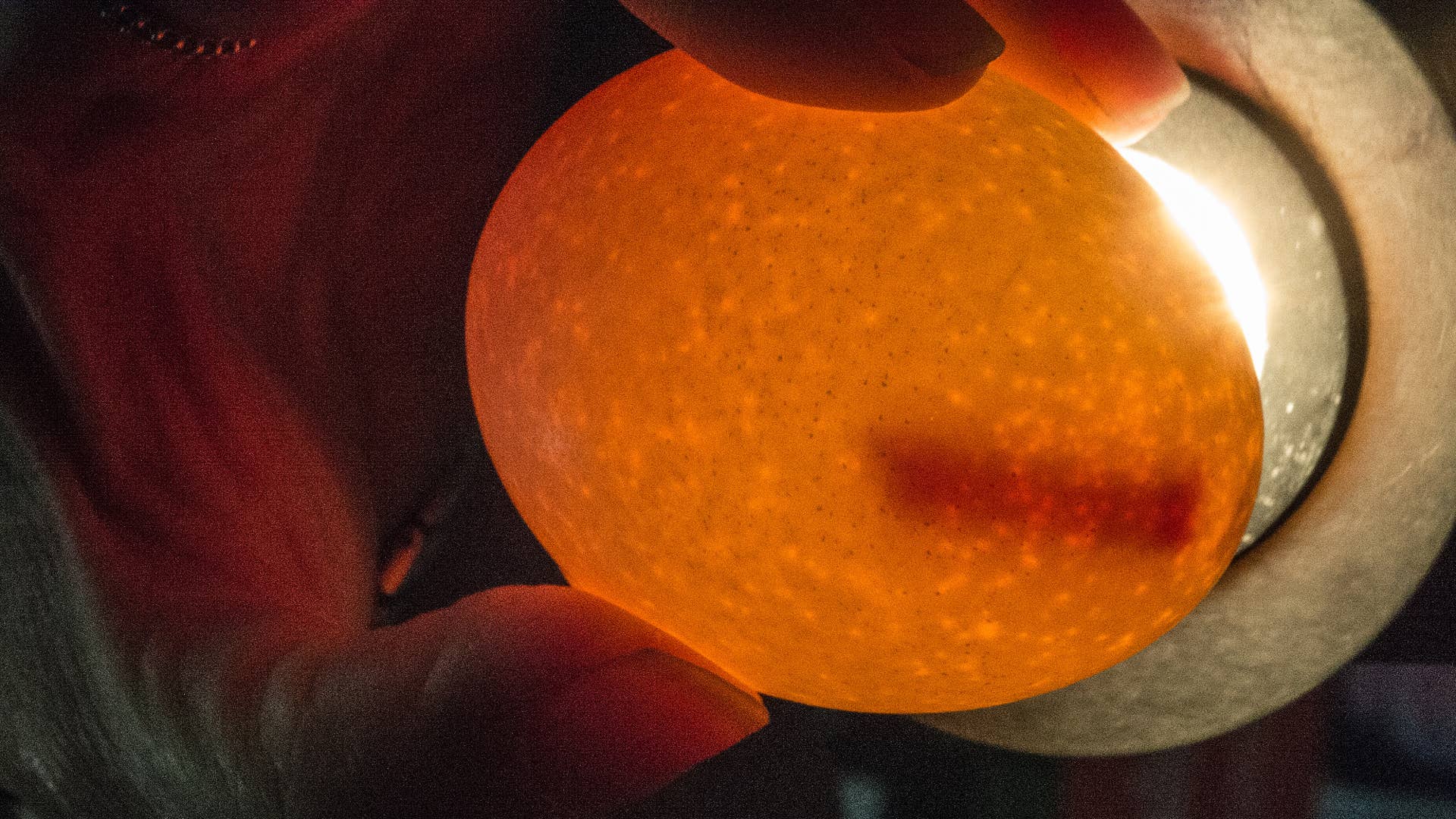
Check the size and shape—eggs that are too small or irregularly shaped might not develop properly. A simple way to test viability is to gently hold the egg up to a bright light (a process called candling). You should see a clear outline of the embryo, veins, or a dark spot inside if the egg is fertile.
Remember, freshness matters. Eggs collected shortly after being laid have a higher chance of hatching. Have you ever wondered how temperature changes during collection and transport affect the egg’s health? Keep them cool and stable to avoid killing the embryo.
Legal And Ethical Considerations
Before you even touch a wild bird’s egg, be aware of the laws protecting wildlife in your area. Many species are protected by law, and taking their eggs without permission can lead to serious legal trouble.
Ethically, consider the impact on the wild bird population. Removing eggs can harm local ecosystems and disrupt breeding cycles. Sometimes, the best choice is to observe and support birds without interfering.
If you have a genuine reason—such as conservation or rehabilitation—always get proper permits and guidance from wildlife authorities. Are you prepared to take responsibility for the eggs and the birds that may hatch from them?

Credit: www.youtube.com
Setting Up The Incubator
Setting up the incubator correctly is key to hatching wild bird eggs successfully. This step creates the perfect environment for the eggs to develop. The incubator must have stable conditions to mimic nature closely. Small changes in temperature or humidity can harm the embryos. Pay close attention to the incubator’s settings before placing the eggs inside.
Temperature And Humidity Control
Keep the temperature steady between 99 and 102 degrees Fahrenheit. Use a reliable thermometer to check often. Consistency is crucial. Sudden drops or spikes can stop growth.
Maintain humidity around 40 to 50 percent during most of incubation. Increase it to 65 to 70 percent near hatching time. Use a hygrometer to measure humidity accurately. Add water trays or damp sponges inside the incubator to control moisture.
Proper Ventilation And Positioning
Allow fresh air to flow through the incubator. Ventilation helps eggs breathe and removes carbon dioxide. Check that vents are open but not too wide. Avoid drafts that cool the eggs.
Position eggs with the pointed end down or sideways. Turn the eggs gently several times each day. This prevents the embryo from sticking to the shell. Use an egg tray or soft padding to hold eggs steady.
Daily Care During Incubation
Caring for wild bird eggs during incubation demands consistent attention and a gentle touch. Every day, your actions can directly impact whether the embryos develop properly or fail to thrive. Understanding the daily tasks will help you provide the best environment for these fragile eggs.
Turning The Eggs
Regularly turning the eggs prevents the embryo from sticking to the shell. You should gently rotate each egg at least three to five times a day. Keep a simple log to track the times you turn the eggs—this helps maintain consistency and prevents accidental missed turns.
Use clean hands to avoid transferring oils or bacteria. Turn the eggs about 45 degrees each time, alternating directions. Have you noticed how some incubators come with automatic turners? If you’re doing it manually, this careful routine ensures even heat distribution and better hatch rates.
Monitoring Conditions
Temperature and humidity are critical during incubation. Keep the temperature steady, usually between 99°F and 102°F (37.2°C to 38.9°C), depending on the bird species. Fluctuations can delay development or harm the embryo.
Use a reliable thermometer and hygrometer to check daily. Adjust humidity levels to around 50-55% for most wild bird eggs, increasing it to about 65-70% during the last few days before hatching. If you notice condensation inside the incubator, it’s a sign to lower humidity slightly.
Ask yourself: Are you ready to respond quickly if the conditions change? Small shifts can make a big difference, so staying alert is key to your success.

Credit: swibirds.org
Hatching And Aftercare
Hatching wild bird eggs is an exciting moment, but it requires careful attention and preparation. Knowing the signs of hatching helps you stay ready to assist if necessary. Once the chicks emerge, proper aftercare is crucial for their survival and growth.
Signs Of Hatching
One of the first signs you’ll notice is a small crack, called a pip, appearing on the eggshell. This crack can take several hours or even a day to expand as the chick works to break free. You might hear faint peeping sounds or notice slight movements inside the egg as the chick struggles.
It’s important not to rush the process. Chicks need time to absorb the yolk sac and gain strength before breaking out completely. Have patience and keep the incubator conditions steady—temperature and humidity should remain consistent to avoid drying out the shell or causing the chick to stick.
Caring For Newborn Chicks
Once the chick hatches, gently move it to a brooder with warmth and soft bedding. Keep the temperature around 95°F (35°C) and gradually lower it by 5°F each week as the chick grows. Provide clean water and starter feed made for wild bird species if you know their diet.
Watch for signs of weakness or dehydration. Chicks that struggle to stand or appear lethargic may need extra warmth or fluids. Have you considered how you will mimic the natural environment to help these vulnerable birds thrive?
- Keep the brooder clean to prevent infections.
- Limit handling to avoid stressing the chick.
- Observe feeding behavior to ensure they are eating well.
Remember, your goal is to support their early days without interfering too much. This balance is delicate but rewarding when you see the chicks grow strong and ready to return to the wild.
Frequently Asked Questions
How Long Do Wild Bird Eggs Take To Hatch?
Wild bird eggs typically take between 10 to 30 days to hatch. The incubation period varies by species. Smaller birds generally have shorter incubation times. Ensure proper temperature and humidity for successful hatching. Regularly monitor the eggs for signs of development.
What Temperature Is Ideal For Incubating Bird Eggs?
The ideal temperature for incubating bird eggs is around 99 to 102 degrees Fahrenheit. Consistent temperature is crucial for embryo development. Fluctuations can harm the developing chick. Use a reliable incubator for maintaining the right temperature. Regularly check the temperature to ensure optimal conditions.
How Do You Turn Wild Bird Eggs Safely?
Turn wild bird eggs gently at least three times a day. This prevents the embryo from sticking to the shell. Handle eggs with clean hands to avoid contamination. Consistent turning promotes healthy development. Stop turning a few days before hatching to allow the chick to position itself.
Can All Bird Eggs Be Incubated Artificially?
Most bird eggs can be incubated artificially with the right equipment. However, some species require specific conditions. Research the specific needs of the bird species. Provide appropriate temperature, humidity, and ventilation. Consult experts if unsure about the requirements for a particular bird species.
Conclusion
Incubating wild bird eggs takes patience and care. Keep the temperature steady and the humidity right. Turn the eggs gently each day to help development. Watch for signs of hatching as the time nears. Remember, not all eggs will hatch successfully.
Learning from each try makes you better. Enjoy the process and respect nature’s pace. This experience brings you closer to wild birds’ world. Stay curious and keep caring for these fragile lives.