
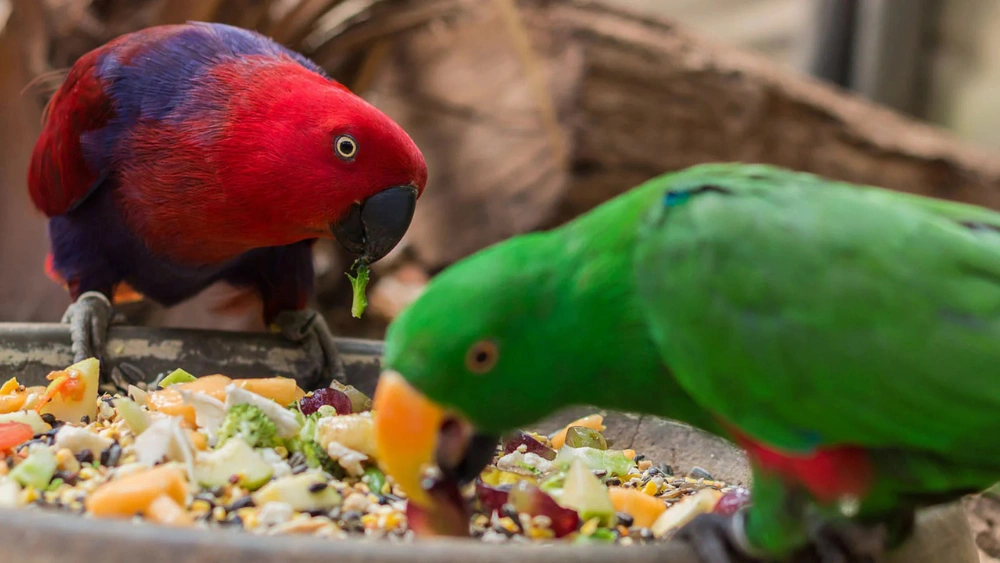
Do you worry about the health of your elderly birds? Ensuring they get enough vitamin A could be the game-changer you’re looking for.
Vitamin A is crucial for your birds’ vision, immune system, and overall vitality. Without it, they might face health issues that could easily be avoided. But how do you boost this vital nutrient in their diet without overwhelming yourself or your feathered friends?
You’ll discover simple, effective strategies to enhance your birds’ nutrition, ensuring they lead happy, healthy lives. By the end, you’ll feel more confident and empowered to give your cherished companions the care they truly deserve. Keep reading to unlock the secrets to a healthier diet for your beloved birds.
Credit: www.kaytee.com
Sources Of Vitamin A For Birds
Vitamin A is vital for the health of elderly birds. It supports their vision, immune system, and skin. Birds cannot make vitamin A on their own. They need it from their diet. Choosing the right sources is key to keep them healthy and active.
Fruits Rich In Vitamin A
Fruits can be tasty and nutritious for birds. Some fruits contain high amounts of vitamin A. Offer these fruits fresh and in small pieces:
- Mangoes
- Apricots
- Cantaloupe melon
- Papaya
- Peaches
These fruits not only provide vitamin A but also hydration and natural sugars.
Vegetables To Include
Vegetables are excellent vitamin A sources. They add fiber and nutrients to the diet. Include these vegetables regularly:
- Carrots
- Sweet potatoes
- Spinach
- Butternut squash
- Kale
Chop them finely to help birds eat easily. Serve raw or lightly steamed for best nutrient retention.
Supplements And Fortified Foods
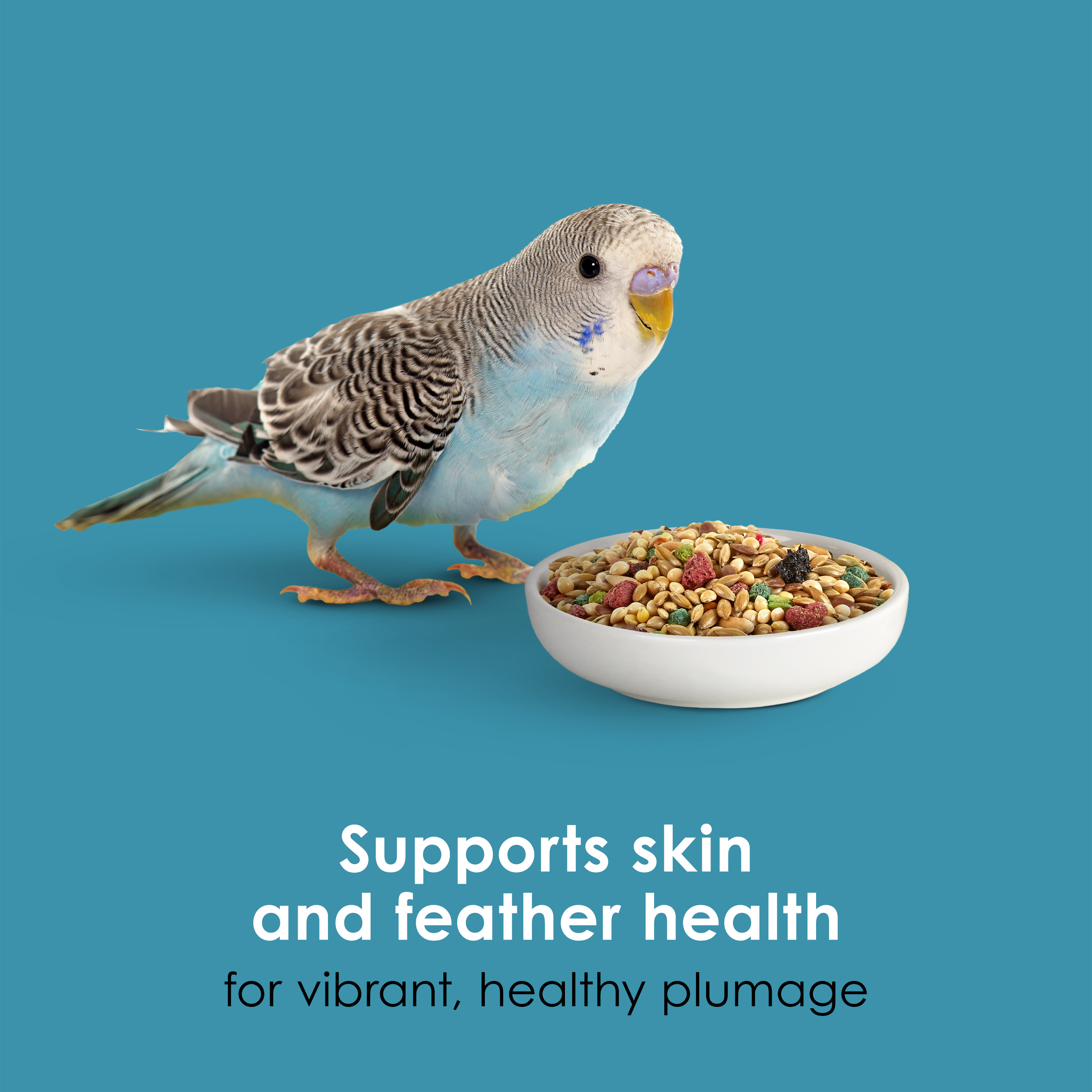
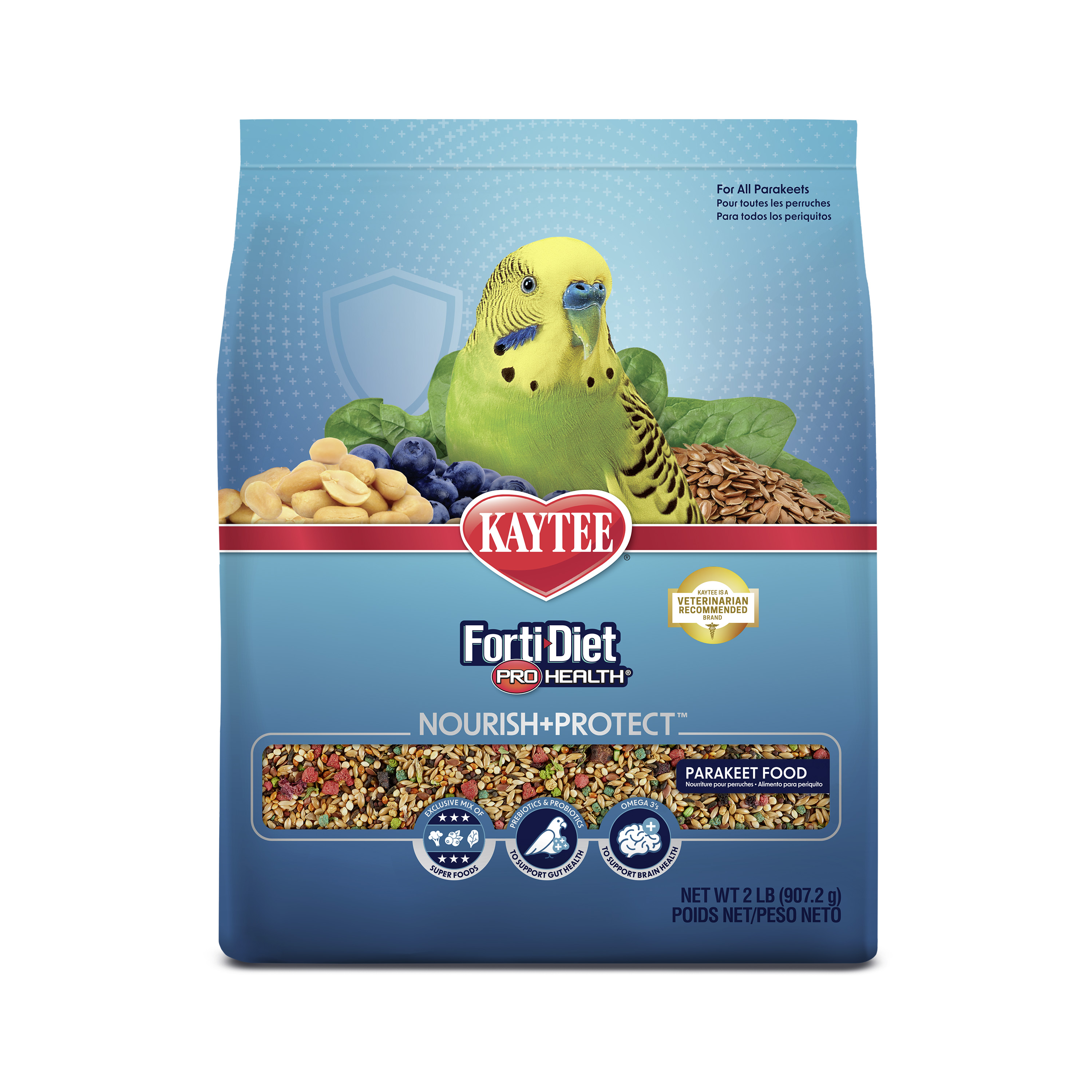
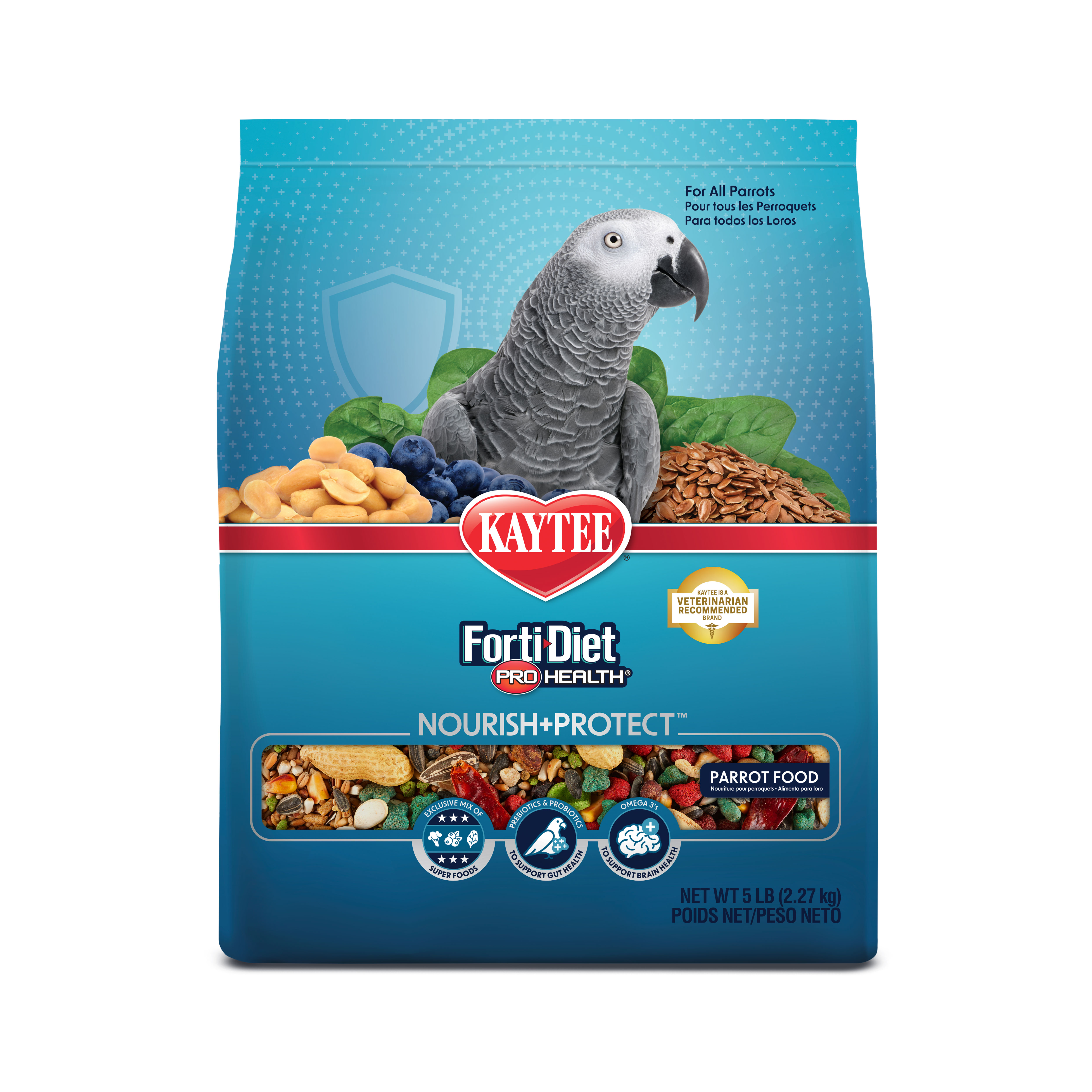
Supplements help if natural sources are limited. Choose vitamin A supplements made for birds. Use them as directed by a vet. Fortified pellets can also boost vitamin A levels. These pellets contain balanced nutrients for older birds. Always check product labels for vitamin content.
Balancing Vitamin A Intake
Balancing vitamin A intake in your elderly birds’ diet is crucial for their health and well-being. Too little vitamin A can weaken their immune system and affect vision, while too much can lead to toxicity. Finding the right balance ensures your birds stay vibrant and active as they age.
Recommended Daily Amounts
Older birds need a steady, moderate amount of vitamin A daily. The exact amount depends on the species, but generally, around 4000 to 6000 IU per kilogram of feed is suggested for many common pet birds.
To meet these needs, include fresh vegetables like carrots, sweet potatoes, and dark leafy greens. These natural sources provide vitamin A safely and are easy to add to your bird’s meals.
Have you noticed your bird’s energy change after adjusting their diet? Small tweaks in vitamin A intake can make a big difference.
Avoiding Overdose Risks
Vitamin A overdose can cause serious problems such as liver damage and bone weakness. Unlike water-soluble vitamins, vitamin A builds up in the body, so watch your bird’s diet carefully.
Avoid feeding too many vitamin A supplements or too many high-vitamin A foods at once. Rotate food items and monitor your bird’s health signs, like changes in appetite or feathers.
Remember, natural food sources are generally safer than synthetic supplements. Have you checked the labels on your bird’s feed recently? Over-fortified pellets might push vitamin A beyond safe levels without you realizing it.
Feeding Strategies For Elderly Birds
Feeding elderly birds requires special care to keep them healthy and active. Their nutritional needs change with age, especially for vitamins like vitamin A. This vitamin supports vision, skin, and immune health. Feeding strategies must focus on easy digestion and nutrient absorption. Adjusting meals and offering variety help maintain their interest in food and meet their vitamin needs.
Adjusting Diet With Age
Older birds need softer foods that are easier to chew and digest. Fresh fruits and vegetables rich in vitamin A are essential. Cooked carrots, sweet potatoes, and leafy greens work well. Avoid hard seeds or tough pellets that may be difficult for them.
Smaller, frequent meals support their slower metabolism. Monitor their weight and energy levels to adjust portions. Consult a vet to balance vitamin supplements with natural food sources.
Incorporating Variety And Texture
Variety keeps elderly birds interested in eating. Combine different textures like soft fruits, steamed veggies, and soaked seeds. This mix encourages natural foraging behavior and better nutrient intake.
- Offer a range of colorful vegetables high in vitamin A, such as pumpkin and red bell peppers.
- Include leafy greens like spinach and kale for extra vitamins and minerals.
- Try cooked legumes and grains to add protein and fiber.
Changing textures prevent boredom and help maintain a healthy appetite. Always introduce new foods slowly to avoid digestive upset.
Credit: www.kaytee.com
Monitoring Bird Health
Keeping a close eye on your elderly bird’s health is essential when boosting their vitamin A intake. Changes can be subtle but significant, so regular monitoring helps catch issues early. This way, you can adjust their diet or care before problems worsen.
Signs Of Vitamin A Deficiency
Vitamin A deficiency in birds often shows up in ways you might not expect. Watch for:
- Swollen eyes or discharge:This can indicate infections linked to low vitamin A levels.
- Changes in skin or feather quality:Feathers may become dull or brittle.
- Breathing difficulties:Clogged nasal passages or frequent sneezing can be signs.
- Loss of appetite or lethargy:Your bird might seem less active or interested in food.
I once noticed my elderly parrot’s feathers losing their shine and eyes appearing irritated. After increasing vitamin A-rich foods, the symptoms gradually improved. Have you seen subtle health changes in your bird that might hint at vitamin shortages?
When To Consult A Veterinarian
If you spot any signs of deficiency, don’t wait to seek professional advice. Birds can deteriorate quickly if vitamin A levels stay low for too long. A vet can run tests and recommend supplements tailored to your bird’s needs.
Emergency signs such as severe breathing issues or swollen, painful eyes require immediate veterinary care. Even if symptoms seem mild, a check-up helps prevent more serious problems. How often do you schedule health checks for your bird?
Credit: www.kaytee.com
Frequently Asked Questions
How Can I Boost Vitamin A In Elderly Birds’ Diets?
Include vitamin A-rich foods like carrots, sweet potatoes, and leafy greens. Supplement with bird-safe pellets fortified with vitamin A. Regularly rotate fresh fruits and vegetables to ensure balanced nutrient intake.
What Are The Signs Of Vitamin A Deficiency In Birds?
Symptoms include poor feather quality, eye issues, and respiratory problems. Elderly birds may show lethargy and slow healing. Early detection helps prevent serious health problems.
Which Foods Are Best For Elderly Birds’ Vitamin A?
Carrots, kale, spinach, and pumpkin are excellent sources. Offer fresh, finely chopped vegetables daily. Avoid processed foods and ensure a balanced diet for optimal health.
Can Vitamin A Supplements Harm Elderly Birds?
Excess vitamin A can cause toxicity in birds. Always follow dosage instructions from a vet. Use supplements only when natural diet sources are insufficient.
Conclusion
Adding vitamin A to your elderly bird’s diet supports health and vitality. Fresh vegetables like carrots and leafy greens provide natural sources. Regularly offering these foods helps maintain strong feathers and good eyesight. Watch your bird’s response to diet changes closely.
Small, steady improvements make a big difference over time. Keep your bird’s needs in mind for a happy, healthy life. Simple steps can improve their well-being every day.