

Have you ever heard a bird singing nearby and wondered what it was saying? Learning how to identify bird calls can unlock a whole new world of nature’s secrets right outside your window.
Imagine being able to recognize different birds just by their sounds—whether you’re on a walk, in your backyard, or hiking in the woods. This skill doesn’t just make your outdoor moments more exciting; it connects you deeply with the environment around you.
You’ll discover simple and effective ways to train your ears and recognize bird calls like a pro. Ready to sharpen your hearing and impress your friends with your new nature knowledge? Let’s get started!
Basics Of Bird Calls
Bird calls are simple sounds birds use daily. They differ from bird songs, which are often longer and more complex. Knowing the basics of bird calls helps you identify birds by hearing. These calls vary by species, purpose, and situation. Understanding bird calls makes birdwatching more exciting and rewarding.
Types Of Bird Sounds
Birds produce many sounds. The main types include:
- Calls:Short sounds for quick messages.
- Songs:Longer, musical sounds mostly by males.
- Alarm Calls:Sharp sounds warning of danger.
- Contact Calls:Sounds to stay in touch with flock members.
Each sound type serves a different role. Calls are easier to hear and identify than songs.
Purpose Behind Bird Calls
Bird calls serve several important functions. They help birds:
- Warn others about predators or threats.
- Keep in contact with family or flock.
- Attract mates during breeding season.
- Mark their territory from rivals.
Recognizing these purposes helps you understand bird behavior. It also aids in identifying birds by their calls.

Credit: www.livescience.com
Tools For Birdsong Identification
Identifying bird calls becomes easier with the right tools. These tools help you listen carefully and compare sounds. They improve your ability to recognize different birds by their songs. Choosing the right resources can make birdwatching more fun and rewarding.
Apps And Technology
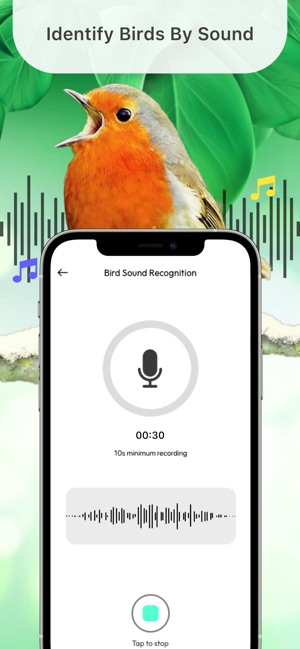
Smartphone apps offer quick access to bird songs and calls. Many apps include sound libraries with recordings from experts. Some apps allow you to record birds and match sounds instantly. They often provide visual aids like spectrograms to analyze calls. Using apps helps beginners learn bird calls anytime and anywhere.
Field Guides And Recordings
Field guides remain a trusted source for bird identification. They combine pictures, descriptions, and written notes about calls. Some guides come with CDs or downloadable audio files. Listening to these recordings helps you memorize bird songs. Carrying a field guide in your backpack is useful on walks or hikes.
Techniques To Recognize Bird Calls
Recognizing bird calls can be a fun and rewarding skill. It helps you connect with nature and understand bird behavior. Different birds have unique sounds, and learning to identify them takes practice. Several techniques improve your ability to recognize bird calls accurately.
Listening Strategies
Focus your attention on the sounds around you. Find a quiet spot where bird calls stand out. Close your eyes to sharpen your hearing. Listen carefully to the pitch, tone, and volume of each call.
Repeat listening helps. Play recordings of bird calls and follow along in nature. Try to isolate one bird’s call from others. Note how calls change in different situations, such as warning or attracting mates.
Pattern Recognition
Bird calls often follow specific patterns. Some repeat a few notes quickly, others have longer phrases. Notice the rhythm and timing between sounds. Patterns make it easier to remember and recognize calls.
Create a mental or written list of common patterns. For example:
- Short, sharp chirps repeated rapidly
- Long, musical whistles with pauses
- Series of descending or rising notes
Practice matching calls with these patterns. This skill improves with regular listening and attention to detail.
Credit: apps.apple.com
Practice Tips For Quick Mastery
Focus on listening carefully to different bird sounds daily. Repeat the calls aloud to remember their patterns and tones. Practice in quiet areas to catch subtle differences between species.
Identifying bird calls can be both a challenging and rewarding pursuit. Mastery comes with practice, and the good news is that you can develop these skills quicker with a few strategic tips. Whether you’re a casual birdwatcher or a budding ornithologist, enhancing your ability to recognize bird calls enriches your outdoor experiences and deepens your connection with nature.Regular Listening Habits
Building a daily routine around listening to bird calls can significantly boost your recognition skills. Start your day by stepping outside with a warm cup of coffee and simply listen. Spend a few moments each morning tuning into the different sounds around you. Consider using bird call apps or online resources during your commute. This can transform idle time into an auditory training session. The more you expose yourself to various bird calls, the more familiar they’ll become. Make it a goal to identify at least one new bird call each week. This keeps your practice focused and gives you a sense of accomplishment. Over time, you’ll notice your ability to identify calls improves naturally.Joining Birding Groups
Joining a birding group can provide both motivation and resources for improving your bird call identification. These groups often organize field trips where you can practice in real-world settings. Being surrounded by experienced birders can offer you valuable insights and tips. Listen to their interpretations of calls and compare them with your own. It’s a great way to learn from others and refine your skills. Engage in group discussions or online forums. Sharing experiences and learning from the challenges others face can give you new perspectives. Have you ever wondered how your interpretation compares to others? A group setting offers a supportive environment to explore this. By fostering regular listening habits and participating in birding communities, you pave a clearer path to mastering bird call identification quickly. Each bird call you learn can feel like unlocking a new language, enhancing every walk in nature. Are you ready to take your birding skills to the next level?
Credit: apps.apple.com
Frequently Asked Questions
What Are The Easiest Bird Calls To Identify?
Common bird calls like robins, sparrows, and crows are easiest to identify. These birds have distinct, repetitive sounds. Beginners can start by learning these calls to build confidence in bird call recognition.
How Can I Distinguish Similar Bird Calls?
Focus on pitch, rhythm, and repetition patterns. Use apps or audio guides to compare calls. Listening carefully to subtle differences helps differentiate similar bird species effectively.
What Tools Help Identify Bird Calls Accurately?
Smartphone apps, field guides, and audio recorders are great tools. Apps often include bird call libraries and identification features. Combining tools enhances accuracy and learning experience.
Why Is Understanding Bird Calls Important?
Bird calls reveal species, behavior, and habitat information. They aid birdwatching, scientific studies, and conservation efforts. Recognizing calls enriches outdoor experiences and environmental awareness.
Conclusion
Recognizing bird calls takes patience and practice. Listen closely to different sounds daily. Notice the pitch, rhythm, and pattern carefully. Use simple tools like apps or notebooks to help. Over time, you will start to tell birds apart. Enjoy this peaceful way to connect with nature.
Keep exploring and learning about bird songs. This skill brings calm and joy to your walks. Bird calls tell stories of the wild around you. Stay curious and keep your ears open.