
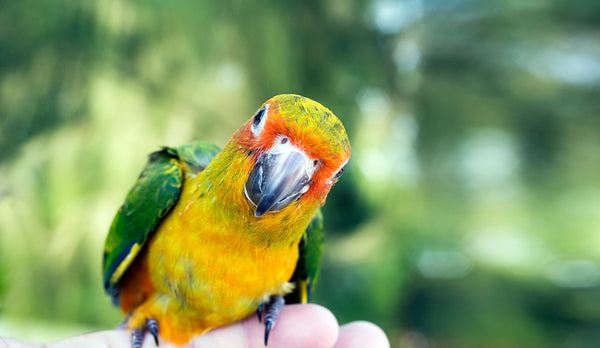
Are you worried that your feathered friend might not be getting enough vitamin D? Birds need this vital nutrient to stay healthy, strong, and full of energy.
Without enough vitamin D, your bird could face serious health problems that affect its happiness and lifespan. But don’t worry—you have the power to help. You’ll discover simple and effective ways to spot signs of vitamin D deficiency and the best steps you can take to bring your bird back to vibrant health.
Keep reading to learn how to protect your bird’s well-being and ensure it thrives every day.

Credit: parrotessentials.co.uk
Signs Of Vitamin D Deficiency
Recognizing the signs of vitamin D deficiency in birds is crucial to preventing serious health issues. Birds rely on vitamin D to absorb calcium, which supports strong bones and overall vitality. Missing early signs can lead to complications, so being alert to changes in your bird’s health can make all the difference.
Common Symptoms In Birds
Vitamin D deficiency often shows through physical symptoms that are sometimes easy to miss. Look out for:
- Weak or deformed bones:Your bird might have trouble standing or show signs of bone softening.
- Difficulty flying:Reduced strength and balance can make flight awkward or impossible.
- Feather quality decline:Feathers may appear dull, brittle, or fall out more than usual.
- Slow growth:Young birds may not develop at a normal rate.
Spotting these signs early can help you act quickly before the condition worsens.
Behavioral Changes To Watch
Changes in your bird’s behavior can also hint at vitamin D deficiency. You might notice:
- Reduced activity:Birds may become lethargic or less playful than usual.
- Loss of appetite:A sudden drop in eating habits can signal discomfort or illness.
- Increased sleeping:If your bird sleeps more than normal, it might be struggling with low energy.
Have you ever noticed your bird acting differently but couldn’t pinpoint why? These subtle behavior shifts can be the first clue something’s off.
Sources Of Vitamin D For Birds
Vitamin D is essential for birds’ bone health and immune function. Birds get vitamin D from different sources. Ensuring they receive enough is key to preventing deficiency. Understanding where to find vitamin D helps keep birds healthy and active.
Natural Sunlight Exposure
Sunlight is the best source of vitamin D for birds. Birds make vitamin D when their skin or feathers absorb UVB rays from the sun. Place bird cages near windows with direct sunlight or outside in safe areas. Even 15 to 30 minutes of sunlight daily can boost vitamin D levels.
Outdoor time also helps birds stay active and mentally healthy. Avoid glass or plastic barriers that block UVB rays. Natural sunlight improves vitamin D production more than artificial light.
Dietary Options And Supplements
Birds can get vitamin D from food too. Some bird foods contain vitamin D naturally or are fortified with it. Include these in their diet:
- Egg yolks
- Fatty fish like salmon
- Fortified bird pellets
- Sunflower seeds
Supplements can help if diet or sunlight is not enough. Use vitamin D drops or powders made for birds. Always follow dosage instructions carefully. Too much vitamin D can harm birds.
Safe Sunlight Practices
Safe sunlight is vital for birds to produce vitamin D naturally. It supports their bone health and overall wellbeing. Birds need direct sunlight, but too much can harm them. Following safe sunlight practices helps balance these needs effectively.
Optimal Timing And Duration
Sunlight exposure should happen during gentle hours. Early morning or late afternoon offers mild sun rays. Limit sunlight to 15-30 minutes daily. This duration allows vitamin D synthesis without risk. Observe your bird’s behavior to adjust time safely.
Protecting Birds From Overexposure
Too much sun can cause heat stress or skin damage. Provide shaded areas for birds to rest. Use umbrellas, trees, or covered cages as shelter. Keep fresh water nearby for hydration. Watch for signs like panting or lethargy to act quickly.

Credit: www.amazon.com
Veterinary Care And Monitoring
Veterinary care and monitoring play a crucial role in managing vitamin D deficiency in birds. You can’t always spot the problem just by looking at your feathered friend. Professional guidance ensures your bird gets the right treatment and stays healthy over time.
When To Seek Professional Help
If your bird shows signs like weak bones, frequent fractures, or unusual lethargy, it’s time to consult a vet. Early symptoms can be subtle, such as changes in appetite or feather condition, so don’t wait for major issues. A vet can perform blood tests to check vitamin D levels and identify underlying health problems.
Have you noticed your bird struggling to perch or jump? These could be red flags signaling a deficiency. Ignoring these signs might worsen the condition, making recovery longer and more complicated.
Regular Health Checkups
Scheduling routine health checkups is essential to catch vitamin D deficiency before it becomes serious. During these visits, vets can monitor your bird’s bone density and overall health, adjusting supplements or diet as needed.
Think of checkups as a way to safeguard your bird’s future. Even if your pet seems fine, regular visits help prevent hidden issues and keep vitamin D levels balanced. Would you wait for a problem to appear, or act now to keep your bird thriving?

Credit: birdsupplies.com
Frequently Asked Questions
What Are Common Signs Of Vitamin D Deficiency In Birds?
Birds with vitamin D deficiency may show weak bones, poor feather quality, and lethargy. They can also have difficulty flying or standing. Early detection helps prevent serious health issues.
How Can I Provide Vitamin D To My Pet Birds?
Expose birds to natural sunlight or UVB lighting for 10-15 minutes daily. Include vitamin D-rich foods like fortified pellets or supplements recommended by a vet.
Why Is Vitamin D Important For Birds’ Health?
Vitamin D helps birds absorb calcium, essential for strong bones and eggshell formation. It supports immune function and overall vitality.
Can Indoor Birds Get Enough Vitamin D Without Sunlight?
Indoor birds often lack sufficient vitamin D. Use UVB lights specifically designed for birds to mimic natural sunlight and maintain their health.
Conclusion
Helping birds with vitamin D deficiency is important for their health. Provide them with natural sunlight or UVB lamps daily. Offer foods rich in vitamin D to support their needs. Watch for signs like weak bones or low energy. Regular check-ups with a vet can catch problems early.
Small steps make a big difference in bird care. Healthy birds are happy birds. Keep their environment safe and nutrient-rich. Care and attention ensure they thrive every day.