
Finding bird droppings on your clothes can be frustrating. You might be on your way to an important meeting or enjoying a day out when it happens.
Suddenly, you’re left with a stubborn stain that seems impossible to remove. Don’t let this spoil your mood. You’re not alone, and there’s a simple way to tackle it. This guide will show you exactly how to get bird droppings off clothes quickly and easily.
You’ll discover effective techniques to clean your clothes without damaging them. Imagine the relief of knowing your favorite shirt will look as good as new. Stay with us, and learn how to handle this common issue with confidence.

Credit: parrotco.com
Identify The Stain Type
Identifying the type of bird dropping stain is the first step in cleaning clothes effectively. Different birds produce different kinds of droppings. Each type reacts differently to cleaning methods. Knowing the stain type helps choose the right treatment. It prevents damage to your fabric and improves stain removal success.
Bird droppings mainly have two parts: solid and liquid. The solid part is often white or light-colored. The liquid part can be darker and more staining. The mix of these parts varies by bird species and diet. Understanding these details gives clues about the stain’s nature.
Appearance And Texture Of The Stain
Look closely at the stain’s color and feel. Fresh droppings are wet and sticky. Older stains become dry and crusty. White or off-white stains usually contain uric acid. Dark spots might be bird food or dirt mixed in. Texture helps decide whether to soak or scrub the stain.
Common Bird Dropping Types
- Seagull droppings: mostly white with watery parts
- Pigeon droppings: thick, with white and dark parts
- Songbird droppings: small, often mostly white
- Raptor droppings: larger, with more dark matter
Each type affects fabric differently. Seagull droppings may bleach fabric slightly. Pigeon droppings tend to stain deeper due to mixed contents.
Signs Of Protein-based Stains
Bird droppings contain proteins that can bind to fabric fibers. These stains often feel stiff or crusty after drying. Protein stains need special treatment like enzyme cleaners. Recognizing protein stains helps avoid setting them permanently.
Checking For Acidic Content
Uric acid in bird droppings can cause fabric damage. Acidic stains may weaken fibers or cause discoloration. Testing with a pH strip or smelling the stain can indicate acidity. Acidic stains require gentle cleaning to protect fabric quality.
Credit: www.westmarine.com
Pre-treat The Stain
Pre-treating bird droppings on clothes is key to removing the stain effectively. Treat the stain as soon as possible to stop it from setting. Early action makes washing easier and improves results.
Use gentle techniques to avoid spreading the stain. Pre-treatment softens dried droppings and breaks down proteins. This step prepares the fabric for a thorough clean.
Use Cold Water
Rinse the stained area with cold water first. Cold water prevents the stain from bonding to fabric fibers. Avoid hot water, as it can set the stain permanently.
Hold the fabric under a running tap or use a clean cloth soaked in cold water. Gently dab the stain to remove loose residue. This simple step loosens the droppings and reduces stain intensity.
Apply Stain Remover
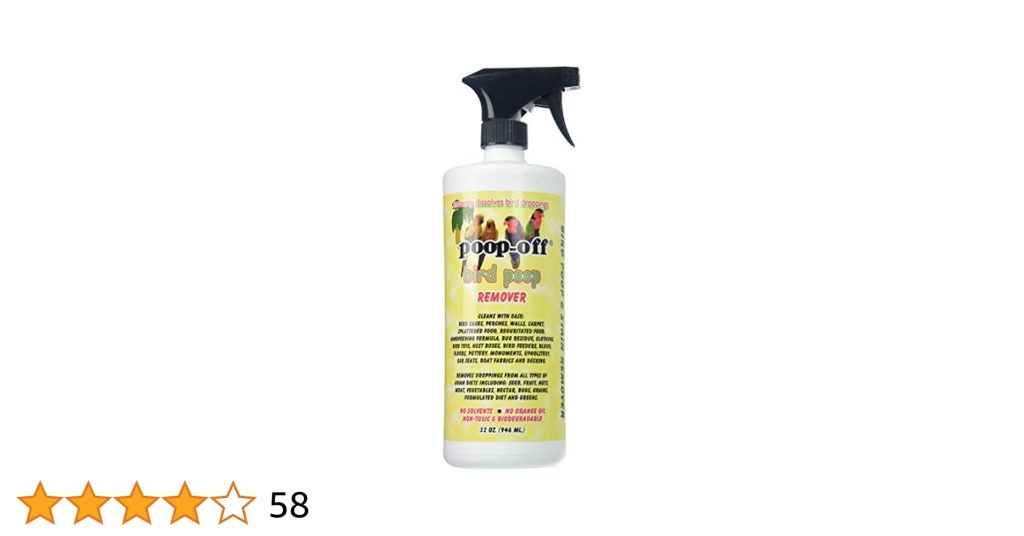
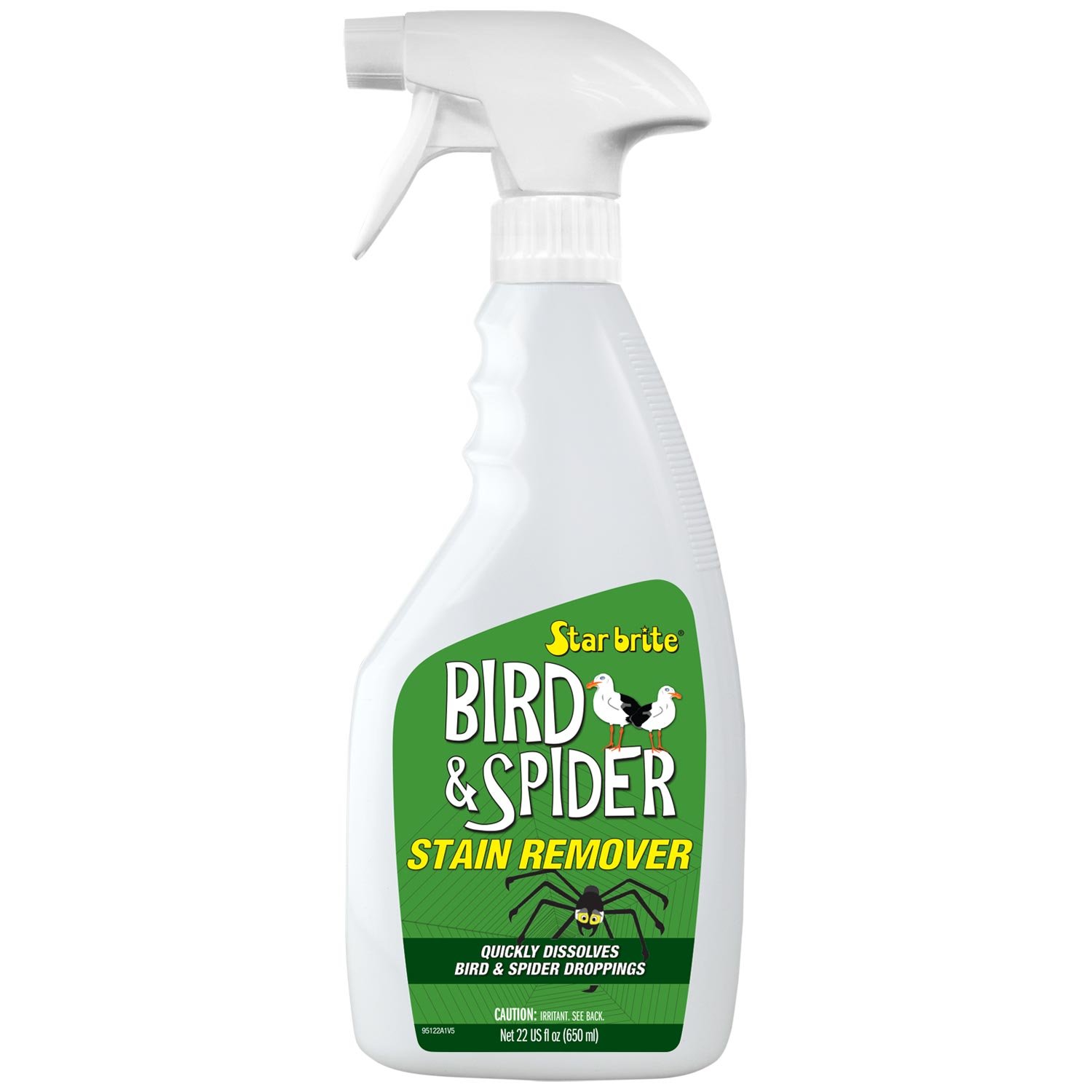
Choose a stain remover safe for your fabric type. Apply a small amount directly to the stain. Use a soft brush or your fingers to work the remover in gently.
Let the product sit for at least 5 to 10 minutes. This time allows the chemicals to break down the stain molecules. Avoid scrubbing hard to protect the fabric’s texture.
Look for stain removers that target protein-based stains. These work best on bird droppings. Always follow the instructions on the product label for best results.
Wash The Clothes Properly
Properly washing clothes after they have bird droppings on them is crucial to remove stains and odors effectively. If you rush this step or use the wrong products and settings, you might end up with stubborn marks or damaged fabric. Paying attention to how you wash can save your favorite clothes and keep them looking fresh.
Choose The Right Detergent
Not all detergents are created equal when it comes to tackling organic stains like bird droppings. Opt for a detergent with enzymes that break down proteins and fats in the droppings. These enzymes help lift stains gently without harsh scrubbing.
Sometimes, a regular detergent isn’t enough. You might want to add a stain remover or a pre-treatment spray directly on the affected area before washing. Have you noticed how some detergents advertise “tough stain removal”? That’s exactly what you want here.
Select Appropriate Wash Cycle
Choosing the right wash cycle is just as important as picking the detergent. Use a cycle that provides enough agitation to loosen dirt but is gentle enough to protect your fabric. For delicate clothes, a gentle or hand-wash cycle works best.
For sturdier items like jeans or work clothes, a normal or heavy-duty cycle can help remove tougher stains. Don’t forget to check the water temperature—warm water usually helps activate enzymes and clean better, but always follow the garment’s care label.
Dry And Inspect
After treating bird droppings on your clothes, the next crucial phase is to dry and inspect the fabric carefully. This step helps you avoid setting any stubborn stains and ensures your garment looks fresh and clean. Taking the time to dry and check your clothes properly can save you from repeated washing and potential damage.
Air Drying Tips
Air drying is gentler on your clothes than using a dryer, especially after a stain removal attempt. Lay your garment flat on a clean towel or hang it in a well-ventilated area away from direct sunlight to prevent color fading.
Consider turning the clothing inside out to protect delicate fabrics. If you’re short on time, a fan can speed up the drying process without heat. Have you noticed how fast some stains disappear when clothes dry naturally?
Check For Remaining Stains
Once dry, closely examine the affected area under good lighting. Look for any discoloration or residue that might have been missed. Sometimes, a stain looks gone when wet but reappears after drying.
If you spot any marks, repeat the spot treatment before washing the entire garment again. Don’t forget to test a small hidden area first to avoid fabric damage. Are you confident enough to trust your eyes, or do you use a magnifying glass for stubborn stains?

Credit: www.reddit.com
Frequently Asked Questions
How To Remove Bird Droppings From Clothes Safely?
First, scrape off excess droppings gently. Then soak the fabric in cold water. Use a stain remover before washing normally.
Can Bird Droppings Damage Fabric Fibers?
Yes, bird droppings contain acids that can weaken fibers. Prompt cleaning prevents permanent stains and fabric damage.
Is It Safe To Wash Bird Droppings With Hot Water?
No, hot water can set the stain. Always use cold water to soak and rinse clothes first.
What Household Products Help Remove Bird Droppings Stains?
White vinegar, baking soda, and mild detergent effectively break down bird droppings stains on clothes.
Conclusion
Bird droppings can stain clothes quickly. Act fast to remove them gently. Use cold water and mild soap first. Avoid hot water; it sets the stain. Scrub softly to protect the fabric. Repeat the steps if the stain stays. Dry clothes in fresh air after washing.
Clean clothes look fresh and last longer. Small efforts keep your clothes stain-free. Now, you know how to handle bird droppings easily. Keep these tips handy for any future mess.