

Have you ever found yourself in a constant battle with birds trying to turn your porch, balcony, or window ledge into their new home? While having birds around can be delightful, their nests can sometimes create a mess and even cause damage.
But before you start waving your arms in frustration, there’s good news. You can deter these feathered architects from settling in unwanted places without harming them or your property. In this guide, you’ll discover effective and humane strategies to keep your spaces nest-free, ensuring your home remains tidy and welcoming.
Curious to learn more? Stick around, and you’ll soon master the art of peacefully persuading these little builders to nest elsewhere.
Credit: www.crittercontrol.com
Common Nesting Spots
Birds choose nesting spots carefully. They look for places that offer safety, shelter, and easy access to food. Knowing where birds like to build nests can help you keep them from settling in unwanted areas around your home.
Identifying Bird Preferences
Different bird species have distinct preferences for nesting. Some favor high, hidden spots like tree branches or roof eaves. Others prefer low, sheltered areas such as shrubs or garden sheds.
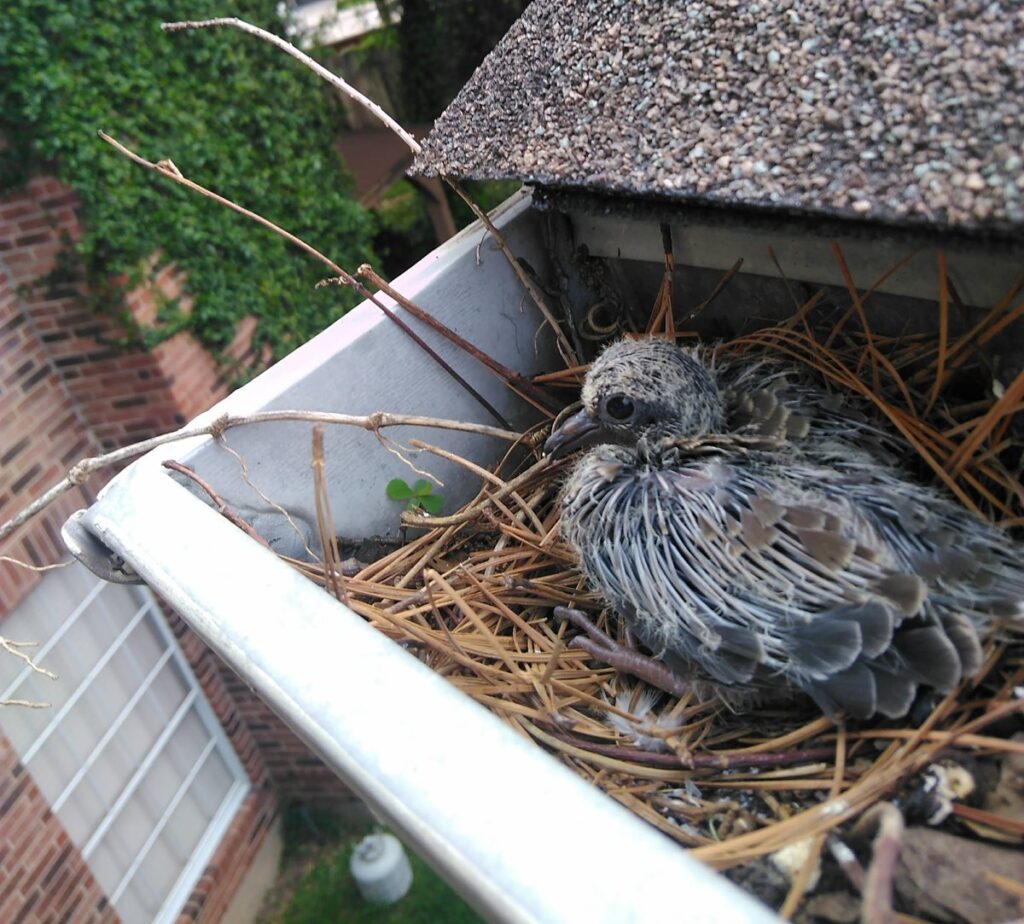
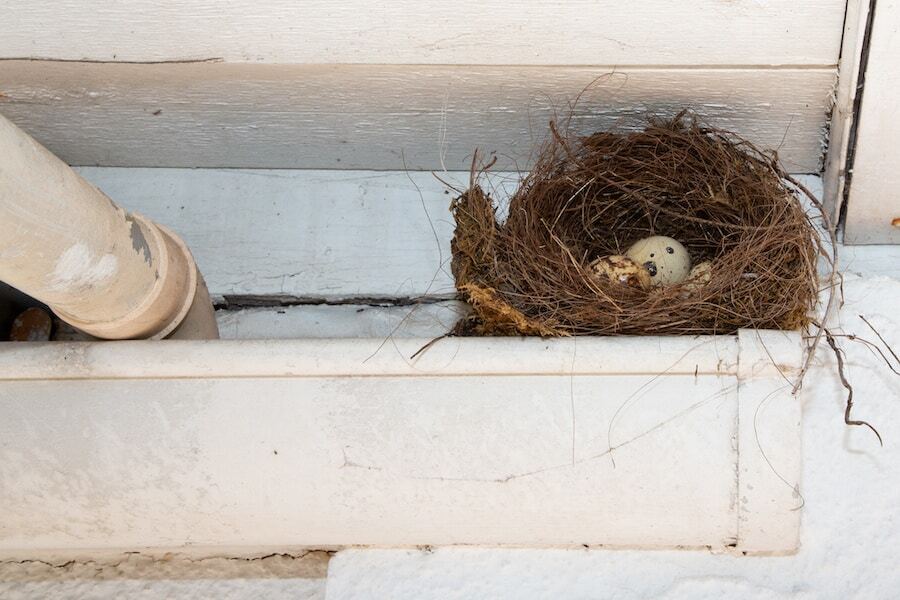
Birds often select spots that protect their eggs from predators and harsh weather. You might notice nests in vents, gutters, or even inside unused chimneys. Have you checked these places around your home recently?
Understanding these preferences helps you target the right areas for deterrents. For instance, installing mesh screens over vents can block entry points without harming the birds.
Vulnerable Areas Around Your Home
Look closely at places that offer cover and minimal disturbance. Common vulnerable spots include:
- Under roof overhangs and soffits
- Inside porch corners and window ledges
- In dense shrubs or thick foliage near your house
- Openings in sheds, garages, or attics
These spots provide the quiet and shelter birds seek. If you have bird feeders or water sources nearby, the area becomes even more attractive.
Have you checked your gutters or air vents for early signs of nest building? Clearing debris and sealing gaps can reduce the chances of birds settling in.
Credit: www.callnorthwest.com
Physical Barriers
Physical barriers offer a straightforward way to stop birds from building nests where you don’t want them. These barriers block access, making it difficult or uncomfortable for birds to settle. You can use simple tools that are easy to install and maintain, protecting your space without harming the birds.
Installing Netting And Spikes
Bird netting creates an invisible fence that keeps birds away from ledges, vents, and roof eaves. It’s flexible and can cover large areas, making it perfect for gardens or building corners. Make sure the netting is taut and securely fastened to avoid birds getting trapped.
Spikes are another effective option, especially on narrow ledges and beams. They don’t harm the birds but make it uncomfortable for them to land and build nests. I once installed spikes on my porch roof, and the difference was immediate—no more twigs or feathers cluttering the area.
Using Reflective Objects
Reflective objects can confuse and scare birds away by creating sudden flashes of light. Hanging old CDs, aluminum foil strips, or reflective tape near problem areas works well. The light reflection changes as the wind moves these objects, keeping birds hesitant to approach.
Try combining reflective objects with other barriers for better results. Have you noticed how birds avoid shiny surfaces during your morning walks? This simple observation can guide your approach to deterring them effectively.
Natural Repellents
Natural repellents offer safe ways to keep birds from nesting around your home. These solutions avoid harming birds or the environment. Using plants and sprays made from common ingredients works well. You can protect your space without harsh chemicals.
Plants That Deter Birds
Certain plants naturally repel birds due to their scent or texture. Place these plants near windows, ledges, or garden areas to discourage nesting.
- Lavender:Birds dislike the strong, fragrant smell.
- Marigolds:Their scent and bright color keep birds away.
- Mint:The sharp smell confuses and deters birds.
- Rosemary:Its woody texture and scent make birds avoid it.
These plants add beauty and protection at the same time. They need regular care but are effective natural barriers.
Homemade Deterrent Sprays
Sprays made from household ingredients repel birds without toxic effects. These sprays can be applied to areas birds favor for nesting.
- Garlic and Pepper Spray:Mix crushed garlic, hot pepper, and water. Spray on surfaces to keep birds away.
- Vinegar Solution:Dilute vinegar with water and spray near nesting spots. The smell discourages birds.
- Soap and Water Mix:A few drops of dish soap in water create a slippery surface birds dislike.
Apply these sprays every few days for best results. Avoid spraying on plants to prevent damage.
Behavioral Techniques
Behavioral techniques focus on changing the environment to discourage birds from nesting. Birds prefer quiet, safe, and stable spots. Making these areas uncomfortable or unstable helps prevent nests from forming. These techniques work best when combined and used regularly.
Noise Makers And Movement
Birds dislike sudden noises and constant movement. Noise makers can be simple and effective. Use wind chimes, bells, or electronic sound devices near nesting spots. The sounds startle birds and make them avoid the area.
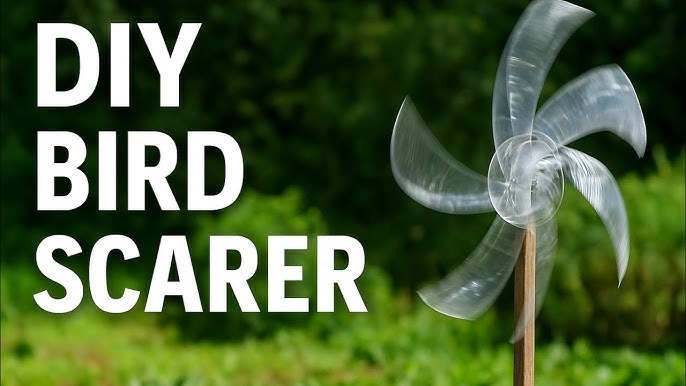
Movement also keeps birds away. Hanging shiny objects like CDs or aluminum foil strips can create reflections that scare birds. Moving objects, such as pinwheels or flags, add visual disturbance. These tricks make birds feel unsafe to build nests.
Regular Maintenance And Nest Removal
Cleaning the area often stops birds from settling. Remove small twigs and nesting materials frequently. This discourages birds from continuing to build. Check places like eaves, gutters, and ledges weekly.
Remove any nests as soon as you find them, but only outside breeding season. This prevents birds from returning. Keeping the area clean and clear sends a strong message that it is not a safe place to nest.
Credit: www.youtube.com
Frequently Asked Questions
How Can I Stop Birds From Nesting On My Property?
Use bird deterrents like spikes, nets, or reflective tape. Regularly remove early nest materials to discourage building. Keep the area clean and trim nearby trees to reduce appeal.
What Natural Methods Deter Birds From Nesting?
Install decoy predators like owls or snakes. Use strong scents such as peppermint or vinegar near nesting spots. Play recorded bird distress calls to create an unwelcoming environment.
Are Bird Repellents Safe For The Environment?
Most commercial bird repellents are non-toxic and eco-friendly when used properly. Always choose products labeled safe for wildlife. Avoid harmful chemicals that can damage plants or other animals.
When Is The Best Time To Prevent Bird Nesting?
Early spring, before birds start building nests, is ideal. Remove old nests and clean surfaces in late winter. Early intervention reduces chances of birds settling in.
Conclusion
Preventing birds from nesting takes patience and simple steps. Use safe methods like physical barriers or gentle deterrents. Keep your space clean and free of nesting materials. Check your property often to catch early signs. Respect wildlife while protecting your home.
Small actions can stop nests before they form. Stay consistent and watch your efforts work. Protect your space without harm or stress.