

Do you enjoy watching birds flutter around your garden, bringing life and color to your outdoor space? If so, you probably know the joy of using cloth bird feeders to attract these feathered friends.
However, to keep your avian visitors healthy and your feeders in top shape, regular cleaning is essential. But how do you tackle this task without damaging the delicate fabric? Imagine a vibrant garden buzzing with happy birds, all thanks to your clean and inviting feeders.
You’ll discover simple, effective methods to ensure your cloth bird feeders are spotless and safe. By the end, you’ll have the confidence to maintain an inviting haven for your feathered guests, enhancing your birdwatching experience. Ready to transform your garden into a bird paradise? Let’s get started!
Why Clean Cloth Bird Feeders
Cleaning cloth bird feeders keeps birds safe and healthy. Dirt and old seeds can cause mold and bacteria. These can harm birds and stop them from visiting your feeder.
Regular cleaning also helps your feeder last longer. Cloth feeders can hold moisture, which causes fabric to weaken. Cleaning removes dirt and moisture, keeping the feeder strong and fresh.
A clean feeder attracts more birds. Birds prefer fresh, clean places to eat. Dirty feeders may scare them away or make them sick.
Preventing Disease Spread
Birds can catch diseases from dirty feeders. Mold and bacteria grow quickly on wet cloth. Cleaning stops these germs from spreading among birds.
Maintaining Feeder Appearance
Cloth feeders can look old and dirty fast. Cleaning removes stains and dirt. A clean feeder looks nice in your garden or yard.
Extending Feeder Life
Cloth materials wear out with dirt and moisture. Cleaning helps keep the fabric strong. This saves money by reducing the need to buy new feeders often.
Encouraging Bird Visits
Birds like clean feeding spots. Dirty feeders can scare them away. Clean feeders invite more birds to visit and feed.
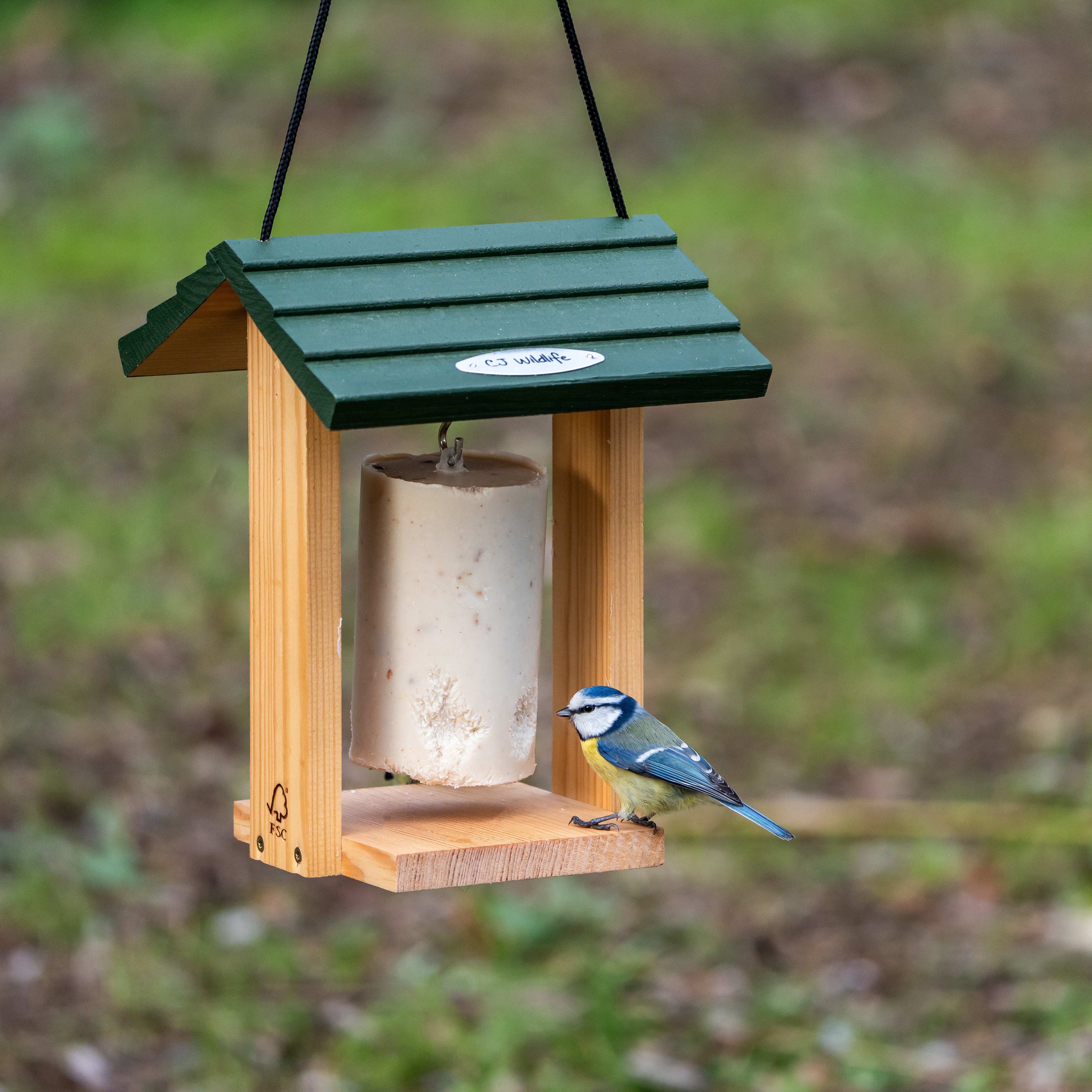
Credit: www.vivara.ie
Tools And Materials Needed
Cleaning cloth bird feeders requires a few simple tools and materials. These items help remove dirt, mold, and old seeds. Using the right supplies keeps your feeder safe for birds. It also makes the cleaning process easier and faster.
Prepare all tools before starting. This saves time and ensures thorough cleaning. Most materials are easy to find at home or in stores.
Soft Brush Or Sponge
A soft brush or sponge removes dirt without damaging fabric. Choose one that reaches small corners. Avoid harsh scrubbing to protect the cloth.
Mild Dish Soap
Mild dish soap cleans without leaving harmful residues. It breaks down oils and seed remains. Use a gentle formula safe for wildlife.
White Vinegar
White vinegar disinfects and kills mold spores. It is a natural and safe cleaner. Mix with water to make a cleaning solution.
Warm Water
Warm water helps dissolve dirt and soap. It softens dried seed particles. Use enough water to soak the feeder properly.
Towel Or Drying Rack
Use a clean towel or drying rack to dry the feeder. Proper drying prevents mold growth. Ensure the feeder is fully dry before refilling.
Step-by-step Cleaning Process
Cleaning your cloth bird feeder might seem like a hassle, but it’s essential to keep your feathered visitors healthy and happy. A thorough cleaning prevents mold, bacteria, and old seed buildup that can harm birds. Let’s walk through a clear and simple process that makes cleaning easy and effective.
Remove Old Seeds And Debris
Start by shaking out all the old seeds and any loose debris from the feeder. Pay close attention to corners and seams where seeds often get trapped. Use a soft brush or cloth to gently sweep away stuck-on dirt without damaging the fabric.
Soak And Scrub The Fabric
Fill a basin with warm water and add a mild detergent or bird-safe cleaner. Submerge your cloth feeder and let it soak for at least 15 minutes to loosen stubborn dirt and grime. After soaking, use a soft brush or sponge to scrub the fabric gently, focusing on stained or heavily soiled areas.
Rinse Thoroughly
Rinse the feeder under running water until all soap residue is gone. Soap left behind can be harmful to birds, so take your time to ensure it’s fully washed out. Feel the fabric; it should feel clean and free of any slippery soap film.
Dry Properly
Hang your bird feeder in a well-ventilated area to dry completely before refilling it. Avoid placing it in direct sunlight for long periods, as this can weaken the fabric over time. Drying thoroughly prevents mold and mildew, keeping your feeder safe and inviting for birds.

Credit: www.amazon.ca
Tips For Maintaining Clean Feeders
Keeping your cloth bird feeders clean is essential not only for the health of visiting birds but also for maintaining the feeder’s durability. Dirt, mold, and old seeds can quickly build up, discouraging birds from returning. Here are some practical tips to help you maintain spotless feeders that keep feathered friends coming back.
Regular Cleaning Schedule
Set a cleaning routine based on how often you refill the feeder. If you feed birds daily, clean the feeder every two weeks to prevent buildup. Less frequent feeders still need attention at least once a month to avoid mold and bacteria growth.
Use Gentle Cleaning Solutions
Strong chemicals can harm the cloth and scare birds away. A mix of warm water and mild dish soap works well. Rinse thoroughly to remove any soap residue that could be harmful to birds.
Thorough Drying Is Crucial
After washing, make sure your feeder dries completely before refilling it. Damp fabric can lead to mold, which is dangerous for birds. Hanging the feeder in direct sunlight speeds up drying and helps kill lingering germs.
Inspect For Wear And Tear
Check your feeder regularly for signs of damage like holes or loose stitching. Small tears can trap moisture and dirt, making cleaning less effective. Repair or replace damaged feeders to maintain a healthy environment for birds.
Store Feeders Properly When Not In Use
When seasons change and you don’t need the feeder, store it in a dry, clean place. This prevents dust and pests from settling in. Have you noticed how a well-stored feeder lasts much longer and stays cleaner?

Credit: www.thesun.co.uk
Frequently Asked Questions
How Often Should I Clean Cloth Bird Feeders?
Clean cloth bird feeders every two weeks to prevent mold and bacteria growth. Frequent cleaning keeps birds healthy and attracts more visitors.
What Is The Best Method To Clean Cloth Bird Feeders?
Hand wash cloth bird feeders with mild soap and warm water. Rinse thoroughly and air dry completely before refilling to avoid mold.
Can I Use Bleach To Clean Cloth Bird Feeders?
Yes, use a diluted bleach solution (1 part bleach to 9 parts water). Soak for 10 minutes, rinse well, and dry fully to ensure safety.
Why Is Cleaning Cloth Bird Feeders Important?
Cleaning prevents harmful bacteria and mold buildup. It protects birds from illness and keeps the feeder safe and inviting.
Conclusion
Cleaning cloth bird feeders keeps birds healthy and happy. Regular washing stops mold and bacteria growth. Use mild soap and warm water for best results. Rinse well to remove all soap traces. Let the feeders dry completely before refilling. Clean feeders attract more birds to your yard.
It also makes your bird-watching experience more enjoyable. Small efforts bring big rewards in bird care. Keep up with this simple routine often. Your feathered friends will thank you with visits.