

Welcoming a baby house wren into your life is a delightful experience, yet it comes with its own set of challenges. You might find yourself captivated by their tiny size and spirited chirps, but wondering how to provide the best care for these little creatures.
Caring for a baby house wren requires patience, knowledge, and a gentle touch. You’re not alone in this; many bird enthusiasts have been right where you are, eager to learn and nurture their feathered friends. Imagine the joy of watching your young wren grow strong and eventually take its first flight.
In this guide, you’ll discover practical tips and heartfelt advice to ensure your baby house wren thrives under your care. Dive in to uncover the secrets to raising a happy, healthy wren that will fill your home with song.

Credit: www.youtube.com
Preparing A Safe Nesting Spot
Preparing a safe nesting spot is essential for the well-being of your baby House Wren. A secure and comfortable nest helps protect the young birds from predators and harsh weather. Creating the right environment also encourages the adult wrens to stay and raise their chicks successfully.
Choosing The Right Location
Pick a quiet, sheltered spot away from heavy foot traffic and loud noises. Wrens prefer locations that are close to natural cover like shrubs or trees but still offer some open space for easy flight access.
Think about placing the nest box 5 to 10 feet above the ground on a sturdy tree branch or a wall. Avoid spots facing direct afternoon sun or strong winds to keep the nest cool and safe.
Have you noticed how wrens often choose spots near water sources? Providing a nesting site within sight of a small pond or birdbath can attract them more easily.
Materials For Nest Building
House Wrens gather natural materials such as twigs, dry grass, feathers, and moss to build their nests. You can help by offering a small pile of these materials nearby.
Place a shallow container filled with soft materials like shredded paper, cotton, or pet hair near the nesting area. This encourages the wrens to use safe, clean items rather than scavenging from unsafe places.
Be careful to avoid synthetic fibers like plastic strings, which can entangle the birds. Instead, stick to natural and breathable materials to keep the nest cozy and healthy.

Credit: www.reddit.com
Feeding And Nutrition
Feeding and nutrition are vital to ensure your baby House Wren grows healthy and strong. Understanding their dietary needs and sticking to a proper feeding schedule can make a big difference in their development. Let’s look closely at what you should offer and when to feed your little feathered friend.
Diet Requirements
Baby House Wrens need a diet rich in protein to support rapid growth. Focus on small insects like mealworms, caterpillars, and spiders. These provide essential nutrients and mimic what the parents would find in the wild.
Adding a variety of insects helps prevent nutritional gaps. You can also include finely chopped fruits such as berries to add vitamins and hydration. Avoid seeds and processed foods as they don’t meet the high protein demand of chicks.
Feeding Schedule
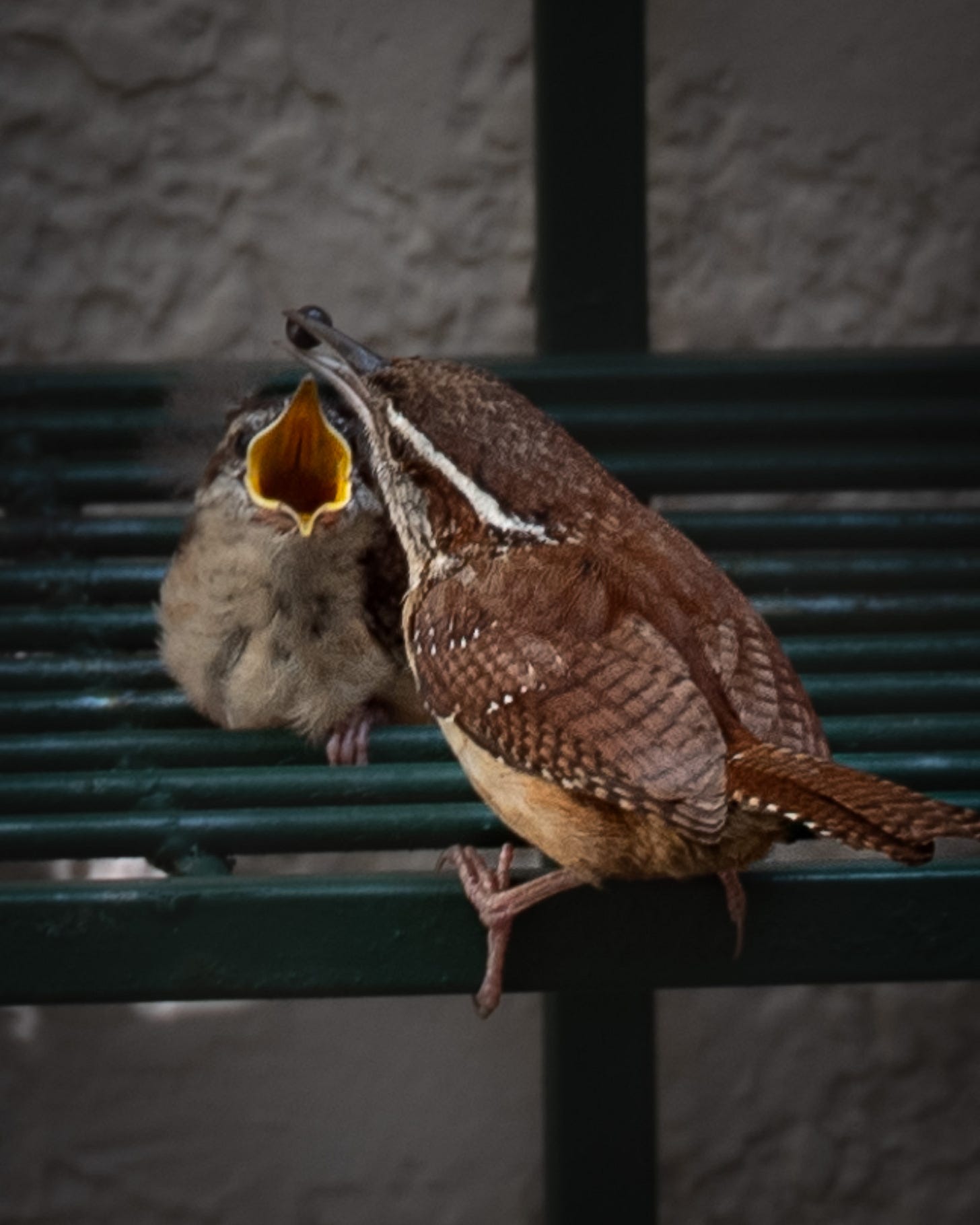
Young House Wrens require frequent feeding—up to every 15-20 minutes during daylight hours. This frequent feeding keeps their energy levels high and supports steady growth.
Start by feeding small portions often, then gradually reduce frequency as the bird matures. Pay close attention to the baby’s behavior; if it seems restless or vocal, it might be hungry again.
Have you noticed how quickly these tiny birds grow? Keeping a consistent feeding routine helps you keep up with their needs and ensures they thrive under your care.
Health And Safety Tips
Keeping your baby House Wren healthy and safe requires careful attention to their environment and wellbeing. You can spot early signs of trouble if you know what to watch for. Protecting them from common threats helps ensure they grow strong and lively.
Common Health Issues
Baby House Wrens can face several health challenges. Respiratory infections often occur if their nesting area is damp or poorly ventilated. You might notice symptoms like wheezing, coughing, or lethargy.
Parasites such as mites or lice are another concern. They cause itching and may lead to feather loss. Regularly check the nest for signs of these pests, and clean it gently if needed.
Nutrition plays a big role in preventing health problems. Offer a variety of insects like caterpillars and beetles to keep their diet balanced. Have you noticed your wrens favor certain foods? That preference can guide you to provide the best meals.
Protecting From Predators
Predators like cats, snakes, and larger birds pose serious risks to baby House Wrens. Placing the nest in a hidden spot or high up can reduce attacks. You might want to use a nest box with a small entrance hole that keeps bigger animals out.
Keep pets away from the nesting area during the breeding season. Even curious dogs can unintentionally harm the young birds. What steps can you take to secure your garden or yard against these threats?
Installing motion-activated lights or gentle noise deterrents near the nest can also help. These measures keep predators at a distance without disturbing the wrens. Observing your wrens’ reactions to these tools will help you adjust their use effectively.
Encouraging Independence
Encouraging independence in a baby House Wren is key for its survival. Helping the bird develop skills builds confidence and strength. This stage prepares the wren for life outside your care. Patience and gentle guidance ensure the best results.
Fostering Flight Skills
Start by giving the baby wren space to stretch its wings. Use a small, safe area where it can flap without danger. Place perches at different heights to encourage jumping and gliding. Offer food nearby to motivate movement and exploration.
Practice short flights daily. Keep sessions brief to avoid stress. Watch for signs of tiredness or fear. Gradually increase flight time and distance as the bird improves. Flight skills are essential for escaping predators and finding food.
When To Release
Release the House Wren when it can fly well and eat on its own. Check if it responds quickly to sounds and movements. The bird should be alert and active before release. Choose a safe, natural area with plenty of cover and food.
Release during calm weather, avoiding strong winds or rain. Early morning or late afternoon is ideal. Stay nearby to observe the bird’s first steps in the wild. Be ready to assist if it struggles to adapt.
Credit: kathrynleroy.substack.com
Frequently Asked Questions
How Do I Create A Safe Environment For Baby House Wrens?
Provide natural shrubs and avoid pesticides near their nesting area. Use birdhouses with small entrance holes to protect babies from predators. Keep pets away and minimize noise to ensure a calm environment for baby House Wrens to thrive.
What Should I Feed Baby House Wrens?
Feed baby House Wrens small insects, spiders, and caterpillars. These protein-rich foods help support their rapid growth and energy needs. Avoid processed foods or bread, as they lack necessary nutrients for healthy development.
How Often Do Baby House Wrens Need Feeding?
Baby House Wrens require feeding every 10 to 20 minutes during daylight. Parents actively hunt to meet their babies’ high nutritional demands. Frequent feedings help ensure proper growth and development until fledging.
When Do Baby House Wrens Leave The Nest?
Baby House Wrens typically leave the nest at about 14 to 18 days old. This fledging period allows them to develop flight and survival skills. Parents continue to care for them after leaving the nest.
Conclusion
Caring for a baby House Wren takes patience and attention. Provide a safe, warm space for the nest. Feed the baby wrens with proper food often. Watch for signs of health or distress carefully. Keep the area clean to prevent illness.
Enjoy the small moments of their growth and play. These simple steps help baby wrens grow strong and healthy. Caring well makes a big difference in their lives. You can help these little birds thrive in your garden.