

Have you ever wished you could call a bird right to your hand? Imagine the thrill of feeling a tiny, delicate creature land softly on your fingers.
It’s not magic or luck—it’s a skill you can learn. You’ll discover simple, effective steps to attract birds and build their trust. Whether you want to connect with nature or enjoy peaceful moments with feathered friends, this guide will help you make it happen.
Ready to bring birds closer than ever before? Keep reading and unlock the secrets to calling a bird to your hand.
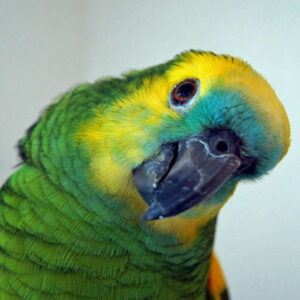
Credit: lafeber.com
Choosing The Right Bird
Choosing the right bird is a crucial first step if you want to successfully call a bird to your hand. Not every bird will respond well to training or hand-calling techniques. Understanding which species, ages, and temperaments work best can save you frustration and help build a stronger connection with your feathered friend.
Bird Species That Respond Well
Some bird species naturally show more curiosity and trust toward humans, making them easier to call by hand. Parakeets, cockatiels, and lovebirds are popular choices because they tend to bond quickly and are more social.
Parrots, especially African greys and conures, often respond well to hand-calling, but they require patience and consistency. Smaller finches and canaries, on the other hand, usually prefer to keep their distance and might not respond as easily.
Think about what kind of bird fits your lifestyle and how much time you can dedicate to training. Are you ready for a bird that needs daily interaction, or would a less demanding species suit you better?
Age And Temperament Factors
Young birds are generally easier to train because they are more adaptable and less fearful of new experiences. If you get a baby bird, you have the chance to build trust from the start.
However, adult birds with a calm and curious temperament can also learn to come to your hand with the right encouragement. Birds that show signs of aggression or extreme shyness may require more patience and might not always respond positively.
Observe your bird’s behavior closely. Does it approach you willingly or hide? Does it respond to your voice or gestures? Your bird’s personality will shape your approach and success in calling it to your hand.

Credit: gatherer.wizards.com
Creating A Trusting Environment
Building trust is the first step to call a bird to your hand. Birds respond better in calm, safe places. Trust grows with patience and gentle care. Birds must feel comfortable and secure around you. Creating a trusting environment helps them learn to come closer.
Safe And Quiet Space
Choose a quiet spot for training sessions. Loud noises can scare birds easily. Remove sudden movements and bright lights. A safe area reduces stress and fear. Birds feel more relaxed and willing to approach.
Consistent Routine
Keep training sessions at the same time daily. Birds like predictability and routine. Repeat the same gentle actions and words. Consistency helps birds understand your intentions. Over time, they will start to trust your presence more.
Training Techniques
Training a bird to come to your hand requires patience and the right techniques. These techniques help build trust and clear communication between you and your feathered friend. Understanding how to use treats and signals effectively can make the training process smoother and more enjoyable for both of you.
Using Treats Effectively
Treats are powerful motivators for birds, but the key is using them wisely. Start with small, favorite snacks that your bird really loves. Offering treats immediately when the bird responds to your call creates a strong connection between the action and the reward.
Try to keep treat sessions short and focused to maintain your bird’s interest. Giving too many treats can cause distraction or spoil the training. Have a few treats ready in your hand before you call your bird—it encourages quick responses and reinforces good behavior.
Have you noticed how your bird reacts to different treats? Use this to your advantage by selecting the most motivating ones for training sessions.
Hand Signals And Vocal Cues
Birds respond well to consistent hand signals paired with vocal cues. Choose simple, clear signals like an open palm or a finger gesture to invite your bird. Saying the same word or sound every time you use the signal helps your bird associate the cue with the action.
Practice these signals in a quiet environment to avoid distractions. Be patient—your bird needs time to link your hand movement and voice to the action of landing on your hand. Watch for subtle signs that your bird is ready to respond, such as head tilts or focused eye contact.
Have you tried combining visual and vocal cues during training? This combination often speeds up learning and strengthens your bond.
Tips For Patience And Persistence
Patience helps birds feel safe and trust you. Keep trying gently, without sudden moves. Persistence shows the bird you mean no harm.
Attracting a bird to perch on your hand is a magical experience that requires patience and persistence. It’s not just about holding out your hand and hoping for the best. Building trust with wild birds takes time and dedication. You must be willing to learn and adapt to their unique behaviors. These tips will guide you in developing the patience and persistence needed for this rewarding interaction.Reading Bird Behavior
Observing bird behavior is crucial for success. Birds communicate through body language. Watch for signs like fluffing feathers or head tilts to understand their mood. Approach them slowly and avoid sudden movements. If a bird seems agitated, give it space. Patience is key, as rushing the process can scare them away. Notice patterns in their daily routines. Birds often visit the same spots at certain times. Use this to your advantage by being present during these moments.Avoiding Common Mistakes
Many people make the mistake of moving too quickly. Eagerness can cause birds to fly away. Instead, keep your hand steady and let the bird come to you. Avoid loud noises or sudden changes in your environment. A calm, quiet setting makes birds feel safe. Consider the colors you wear; bright colors might be intimidating. Overfeeding can also be counterproductive. Birds may become too reliant on human-provided food and lose their natural foraging instincts. Balance is essential for a healthy interaction. By applying these tips and consistently practicing patience and persistence, you’re more likely to experience the joy of having a bird trust you enough to land on your hand. Are you ready to create this connection?
Credit: www.reddit.com
Frequently Asked Questions
How Do I Attract Birds To My Hand Safely?
Use gentle movements and offer small bird-friendly treats. Stay calm and patient. Avoid sudden gestures to prevent scaring birds away.
What Type Of Food Helps Call Birds To Your Hand?
Seeds like sunflower or millet, and small fruits are ideal. Fresh, natural foods attract birds effectively and encourage trust.
How Long Does It Take For Birds To Trust Your Hand?
It varies by species and environment but typically days to weeks. Consistent feeding and calm presence build trust gradually.
Can Any Bird Species Be Trained To Come To Your Hand?
Most small, social birds can be trained with patience. Wild birds need gentle handling; domestic birds usually adapt faster.
Conclusion
Calling a bird to your hand takes time and patience. Speak softly and offer treats to build trust. Practice often in a quiet, safe place. Birds respond well to gentle, calm actions. Watch their body language to understand comfort levels.
Small steps lead to stronger bonds with birds. Enjoy the process and respect the bird’s pace. With care, birds will come closer to you. Keep trying, and you will see progress soon. This simple skill brings joy and connection with nature.