

Are you tired of constantly scrubbing your bird bath to keep it clean? What if you could build a bird bath that cleans itself, saving you time and effort?
Imagine a sparkling water spot that stays fresh for your feathered friends without you lifting a finger. In this guide, you’ll discover simple steps to create a self-cleaning bird bath that keeps your garden lively and your birds happy. Ready to make your outdoor space more inviting and hassle-free?
Let’s dive in!
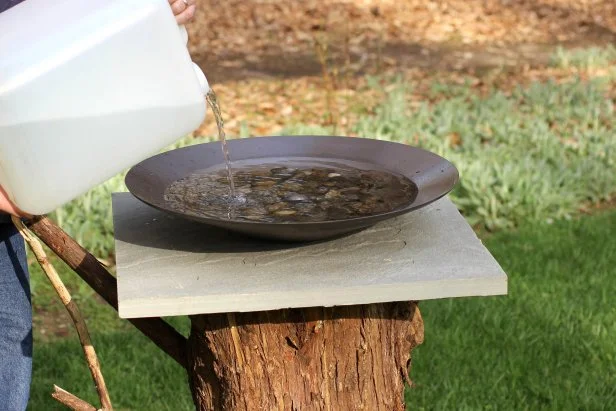
Credit: www.hgtv.com
Choosing The Right Materials
Choosing the right materials is key to building a self cleaning bird bath. The materials must last outside and keep the water clean. They should not harm birds or plants around. Careful selection helps make a bath that works well all year.
Focus on parts that resist weather and are safe for wildlife. Some materials need less cleaning and maintenance. Others might break or cause water problems. Picking the right components saves time and effort.
Durable Containers
Choose containers made of strong, weather-resistant materials. Concrete, ceramic, and heavy plastic work well. These can hold water without cracking in sun or cold. Metal may rust, so avoid it for long use. The container should be deep enough for birds to bathe safely.
- Concrete: sturdy and long-lasting
- Ceramic: attractive and weatherproof
- Heavy plastic: lightweight and durable
Pick containers that are easy to clean and maintain. Smooth surfaces prevent dirt buildup. Avoid porous materials that absorb water and dirt. A stable base keeps the bath from tipping over.
Safe Cleaning Components
Select parts that clean water without harming birds. A small pump helps move water and prevent stagnation. Use gentle filters to trap dirt and leaves. Avoid chemicals or harsh cleaners that can poison wildlife.
- Low-power water pump for circulation
- Fine mesh filter to catch debris
- Natural cleaning agents like vinegar, if needed
Ensure all parts fit well and resist weather damage. Plastic tubing and seals should not leak or crack easily. Choose materials that are safe for outdoor use and non-toxic to animals.
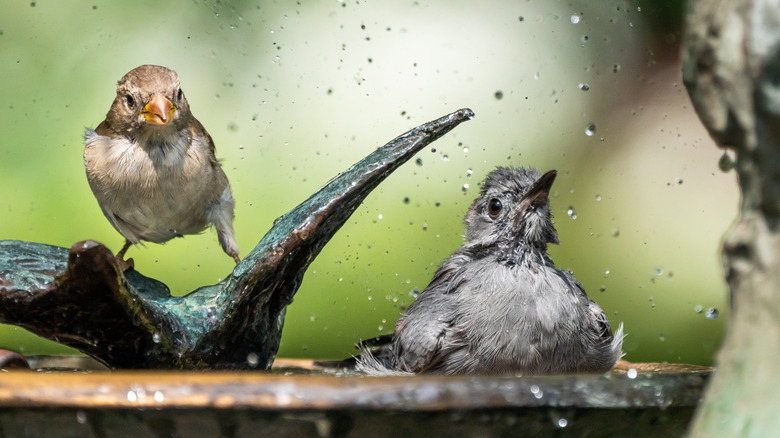
Credit: www.outdoorguide.com
Setting Up The Drainage System
Setting up an effective drainage system is key to making your bird bath truly self-cleaning. Without proper drainage, water can become stagnant, leading to algae growth and mosquito breeding. Let’s look at how you can set up a drainage system that keeps water fresh and clean with minimal effort.
Installing A Drain Valve
A drain valve controls water flow out of the bird bath, allowing old water to drain and fresh water to enter. Choose a valve made from durable materials like brass or stainless steel to avoid rust. Install the valve at the lowest point of the basin so gravity can do the work for you.
Make sure the valve is easy to open and close. This lets you quickly flush out dirty water without dismantling your setup. I once used a plastic valve that cracked after a season, so investing in quality pays off.
Ensuring Proper Water Flow
Good drainage depends on smooth water flow. Check that the drain valve’s opening is wide enough to allow water to exit quickly but not so large that it causes flooding. A ½-inch diameter valve usually works well.
Keep the drainage pipe free from kinks or blockages. Slope the pipe gently downward away from the bird bath to prevent water pooling. You might want to test flow by pouring water into the bath and watching how fast it drains.
How often do you think about water quality in your outdoor features? Setting up an efficient drainage system can save you hours of cleaning and keep your feathered visitors happy and healthy.
Adding The Cleaning Mechanism
Adding a cleaning mechanism is key to keeping your bird bath fresh and inviting without constant scrubbing. It helps maintain clear water, reducing algae and debris buildup. Let’s look at two effective ways to keep your bird bath clean automatically.
Using A Filtration System
A filtration system traps dirt and organic matter, keeping the water clean longer. You can use a small pond or aquarium filter designed for outdoor use. These filters often come with replaceable cartridges that capture leaves, feathers, and other debris.
Place the filter near the water basin and connect it with a small pump to circulate water through the filter. This setup reduces the frequency of manual cleaning and keeps water clearer for your feathered visitors.
Ask yourself: Would investing in a filter save you time and effort in the long run, especially during hot months when algae grows faster?
Incorporating A Water Circulator
A water circulator creates movement in the water, which discourages mosquitoes from laying eggs and prevents stagnation. You can add a small solar-powered fountain or pump to keep the water flowing gently.
This simple addition not only improves water quality but also attracts more birds by mimicking natural water sources. Moving water stays fresher, reducing smells and algae growth without harsh chemicals.
Think about how a small fountain might enhance your garden’s ambiance while providing cleaner water for birds. Would a quiet, bubbling effect encourage more visits from your local wildlife?
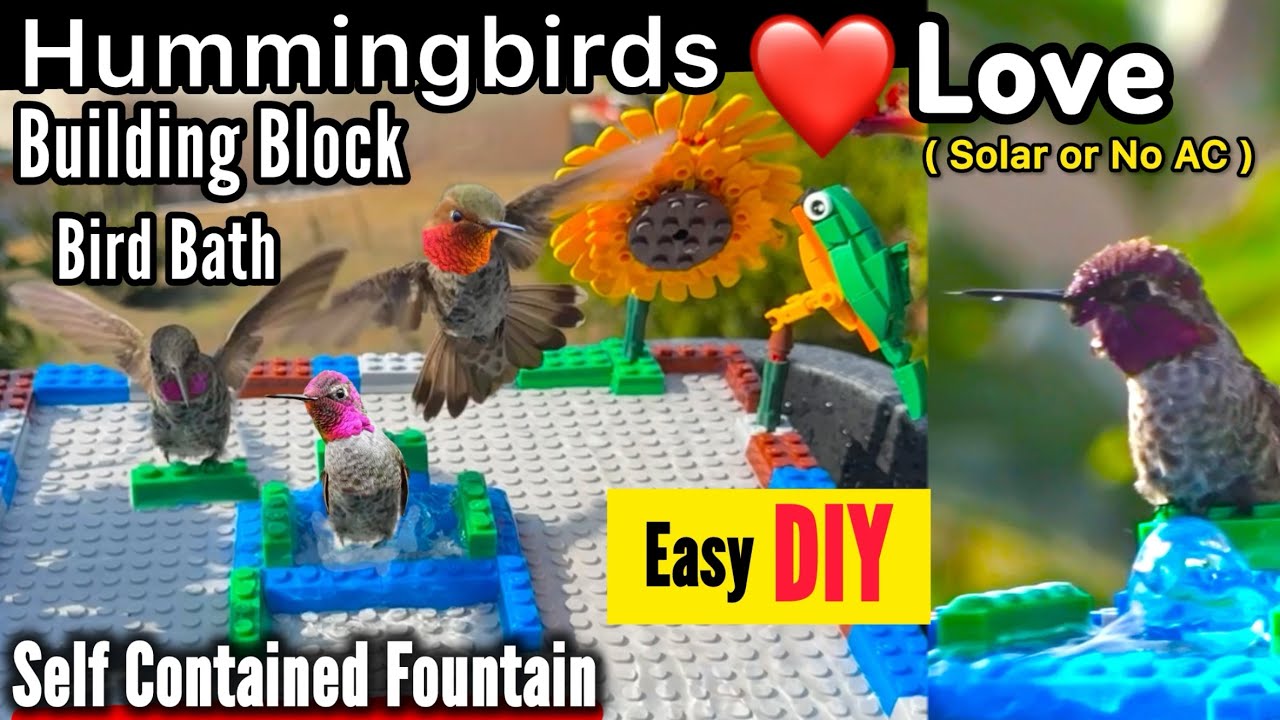
Credit: www.youtube.com
Maintaining Your Bird Bath
Building a self-cleaning bird bath keeps water fresh and clear for birds. A simple design uses flowing water to prevent dirt and algae buildup. Regular care ensures a healthy spot for birds to drink and bathe.
Maintaining your bird bath ensures that it remains a welcoming oasis for your feathered friends. A self-cleaning bird bath is a fantastic way to minimize effort, but regular checks and simple upkeep are essential to keep it functioning optimally. Let’s explore some practical tips to make sure your bird bath stays in prime condition.Regular Cleaning Tips
Even a self-cleaning bird bath needs some attention. Check the water pump weekly to ensure it’s working efficiently. Remove any debris like leaves or twigs that might clog it. Use a soft brush to gently scrub the basin. This prevents algae buildup and keeps the water fresh. Remember, a clean bath is more inviting for birds. Change the water every few days. Stagnant water can become a breeding ground for mosquitoes, which you definitely want to avoid.Seasonal Care Advice
With changing seasons, your bird bath needs different care. During summer, water evaporates quickly, so fill the basin more frequently. In winter, prevent the water from freezing. Use a small heater or place your bird bath in a sunny spot to keep it thawed. Spring and fall are perfect times for deep cleaning. Disassemble any parts, scrub them thoroughly, and inspect for any necessary repairs. Maintaining your bird bath is about creating a safe and healthy environment for birds all year round. Is your bird bath ready for the next season?Frequently Asked Questions
What Materials Are Best For A Self-cleaning Bird Bath?
Use durable, non-toxic materials like ceramic, stainless steel, or BPA-free plastic. These resist algae and are easy to clean, ensuring bird safety and longevity of the bath.
How Does A Self-cleaning Bird Bath Work?
It uses a simple filtration or recirculation system to keep water fresh. This reduces algae growth and debris, providing clean water for birds continuously without frequent manual cleaning.
Can I Build A Self-cleaning Bird Bath On A Budget?
Yes, you can use recycled materials and simple pumps. DIY kits and basic tools help create an affordable, effective self-cleaning bird bath without high costs.
How Often Should I Maintain A Self-cleaning Bird Bath?
Regular maintenance every 1-2 weeks is ideal. Clean filters, check pumps, and remove debris to keep the system efficient and ensure fresh water for birds.
Conclusion
Building a self-cleaning bird bath keeps water fresh and birds happy. It saves time and effort in cleaning. Simple tools and materials help you create it easily. Regular maintenance makes it last longer and work better. Enjoy watching birds visit your clean, safe water spot.
This small project adds beauty and life to your garden. Try building one today and see the difference. Clean water means healthy birds and a joyful outdoor space.