

If you love nature and want to welcome beautiful bluebirds right to your backyard, building a Gilbertson Bluebird House is a great place to start. You might wonder how to make the perfect home that keeps bluebirds safe and happy.
This guide will walk you through simple steps to create a cozy, inviting house your feathered friends will love. By the end, you’ll have everything you need to attract bluebirds and enjoy their cheerful songs every day. Ready to bring more life and color to your outdoor space?
Let’s get started!
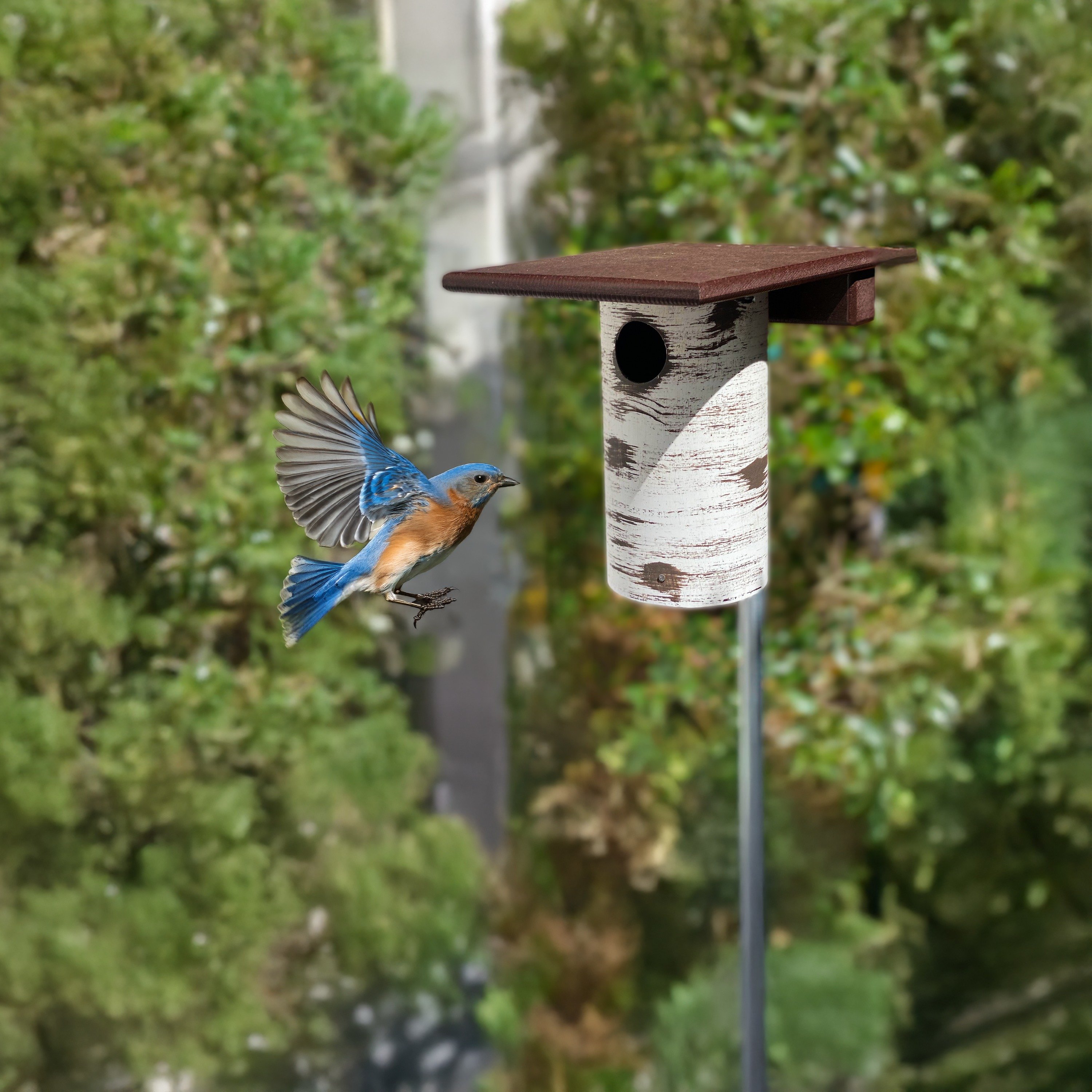
Credit: www.dutchcrafters.com
Choosing The Right Materials
Choosing the right materials is crucial for building a Gilbertson Bluebird House that lasts through all seasons. The durability and safety of the house depend heavily on what you use. Selecting quality materials ensures a comfortable, secure home for bluebirds and reduces maintenance over time.
Wood Types And Quality
Opt for untreated, natural wood like cedar or pine. These woods resist weather and decay without harmful chemicals that could hurt the birds.
Avoid pressure-treated wood since it contains chemicals that might be toxic. Instead, look for wood that is smooth but not too polished—bluebirds need a surface they can grip easily.
Thickness matters too. Wood that is around ¾ inch thick offers good insulation and protection from predators. Think about how a thicker wall can keep your bluebird house cooler in summer and warmer in winter.
Essential Tools Needed
Gathering the right tools before you start saves frustration later. You’ll need a saw to cut wood pieces accurately and a drill for making entrance holes and screw holes.
- Measuring tape:for precise cuts and fitting
- Screwdriver:to assemble parts securely
- Sandpaper:to smooth edges and prevent splinters
- Clamps:to hold wood pieces steady while working
Having these tools ready makes your build smoother. Do you have all these in your workshop? If not, consider borrowing or buying—your bluebird house deserves the best foundation.
Designing The Gilbertson Bluebird House
Designing the Gilbertson Bluebird House requires attention to detail to create a safe and welcoming environment for bluebirds. Every aspect, from size to airflow, influences whether bluebirds will choose your house. Paying close attention to dimensions and structural features can make your birdhouse stand out in the best way.
Dimensions And Measurements
Getting the dimensions right is crucial. The entrance hole should be about 1.5 inches in diameter, just large enough for bluebirds but small enough to keep predators out. The floor space typically measures around 5 by 5 inches, providing enough room for a small family without being too large to cause heat loss.
The height of the house should be roughly 10 to 12 inches tall, allowing enough space for nesting materials and growing chicks. You might wonder why these exact numbers matter—too large or too small, and bluebirds might skip your house entirely. Keeping these measurements consistent with natural bluebird nesting preferences increases the chances of occupancy.
Ventilation And Drainage Features
Proper airflow inside the house is often overlooked but essential. Adding small ventilation holes near the top lets hot air escape, keeping the interior cool during summer. You can drill 1/4 inch holes on opposite sides near the roofline to achieve this.
Drainage is just as important to prevent water buildup, which can harm eggs and chicks. Drill small holes in the floor of the house to allow rainwater to drain out. This simple step makes a big difference in maintaining a dry and comfortable environment inside the house.
Have you checked your current birdhouse for ventilation and drainage? Sometimes, small adjustments can transform a rarely used box into a thriving bluebird home.
Step-by-step Assembly Guide
Building a Gilbertson Bluebird House is a rewarding project that brings you closer to nature. The assembly process is straightforward if you pay attention to details and follow each phase carefully. Ready to start crafting a cozy home for bluebirds? Let’s break down the assembly into clear steps that anyone can handle.
Cutting And Preparing Pieces
Begin by gathering quality wood, ideally cedar or pine, which withstands weather well. Precision in cutting ensures all parts fit perfectly later on. Use a sharp saw and measure twice to avoid mistakes that waste materials.
Smooth the edges with sandpaper to prevent splinters and make the house safer for birds. Don’t rush this part — smooth surfaces help protect delicate feathers and keep your bluebird friends happy. Remember, accuracy here saves time during assembly.
Assembling The Components
Lay out all the cut pieces and identify each part before you start connecting them. Assemble the back, sides, floor, and roof in a logical order to keep the structure sturdy. Use galvanized nails or screws to prevent rust and ensure durability.
Make sure the entrance hole faces away from prevailing winds to protect the nest. Tight joints and snug fittings are crucial to keep predators out and the interior dry. Have you checked if your workspace is flat? That helps keep everything aligned perfectly.
Finishing Touches
Once assembled, apply a non-toxic, water-based sealant to protect the house from moisture. Avoid bright paints, which can scare birds; instead, choose natural or muted colors to blend with the environment. Add ventilation holes near the top to keep air flowing without exposing the nest.
Mount your bluebird house on a sturdy pole or tree at the right height—about 4 to 6 feet off the ground. Regularly inspect and clean the house each season to keep it inviting. Can you imagine the joy of watching bluebirds settle into a home you built with your own hands?

Credit: www.youtube.com
Placement And Maintenance Tips
Place the bluebird house in a quiet, open area away from predators. Clean the house yearly to keep it safe and inviting for birds. Check for damage regularly and repair any issues promptly.
Building a Gilbertson Bluebird House is only half the journey to welcoming these charming birds into your backyard. The other half involves strategic placement and diligent maintenance. Proper placement ensures that bluebirds find your house appealing, while regular maintenance guarantees their safety and comfort.Best Locations To Mount
Choosing the right spot for your bluebird house can make all the difference. Open areas are ideal—bluebirds prefer spaces where they can easily spot predators. Consider placing the house in a large yard or garden with short grass or mowed lawns. Avoid mounting the house too close to wooded areas or dense shrubs. Predators and competitors often lurk in such places. A height of about 4 to 6 feet from the ground is perfect, allowing for easy monitoring and maintenance.Cleaning And Upkeep
Regular cleaning is essential for a healthy bluebird house. After each nesting season, open the house and remove any old nests. This prevents parasites from affecting future bluebird families. Inspect the house periodically for any damage. Wind, rain, or curious animals can cause wear and tear. A quick repair can prevent potential hazards and keep the birds safe. Have you ever thought about the impact of a clean environment on bird health? A little effort in maintenance goes a long way. Equip yourself with a simple cleaning kit—gloves, a brush, and a mild soap solution—and make it a pleasant part of your routine. By investing time in thoughtful placement and regular upkeep, you ensure that bluebirds find a safe and welcoming home in your backyard.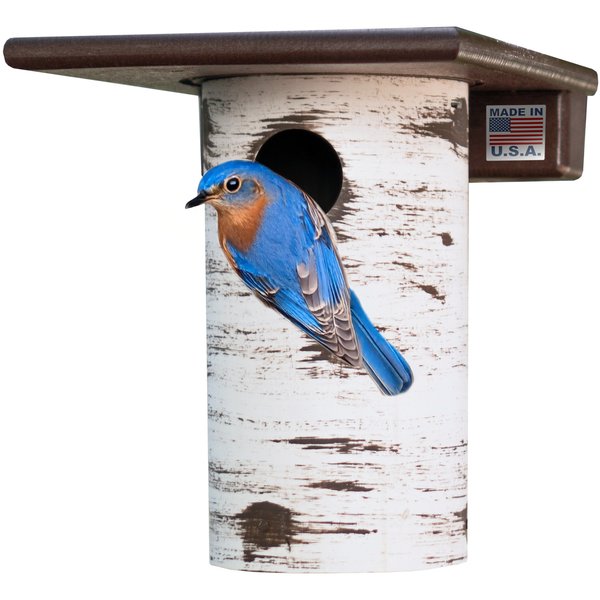
Credit: www.dutchcrafters.com
Frequently Asked Questions
What Materials Are Needed To Build A Gilbertson Bluebird House?
To build a Gilbertson Bluebird House, you need untreated cedar wood, galvanized screws, wood glue, and weatherproof paint. Avoid pressure-treated wood, which can harm birds. Use a drill for holes and sandpaper to smooth edges. These materials ensure durability and safety for bluebirds.
How Do I Design The Entrance Hole For Bluebirds?
The entrance hole should be 1. 5 inches in diameter to allow bluebirds in but keep predators out. Position it 6 inches above the floor inside the house. This size and placement help protect eggs and chicks while providing easy access for bluebirds.
Where Should I Mount The Gilbertson Bluebird House?
Mount the bluebird house on a metal pole, 4 to 6 feet above ground. Avoid mounting on trees to prevent predators and competition. Place it in open areas with scattered trees or shrubs nearby for perching and protection.
How Can I Maintain The Bluebird House Yearly?
Clean the house annually in late fall by removing old nests and debris. Use a brush and mild bleach solution to disinfect. Check for damage and repair as needed. Proper maintenance ensures a healthy, safe environment for bluebirds each season.
Conclusion
Building a Gilbertson Bluebird House takes time and care. Follow the steps carefully for best results. Use good materials to keep the house safe and strong. Place the house in a quiet spot where birds feel safe. Watch as bluebirds come to nest and raise their young.
Enjoy the beauty and joy these birds bring to your yard. Small effort can create a happy home for bluebirds. Keep checking and cleaning the house each season. Helping nature feels good and teaches patience. Give it a try and see the bluebirds thrive.