

When winter arrives, your garden’s birds face cold winds, snow, and scarce food. You can make a real difference by building a simple bird shelter that keeps them safe and warm.
Imagine watching your feathered friends thrive, even on the chilliest days. In this guide, you’ll discover easy steps to create a cozy haven for birds right outside your window. Ready to help nature and enjoy more bird visits this winter?
Let’s get started!
Choosing The Right Location
Choosing the right location for your bird shelter is crucial to ensure the birds stay safe, warm, and comfortable throughout the winter. The spot you pick can make all the difference between a busy refuge and an empty box. Think about the environment around the shelter and how it can support or challenge the birds during harsh weather.
Safe Spots From Predators
Birds need a place where predators like cats, raccoons, or hawks can’t easily reach them. Avoid placing the shelter too close to the ground or near thick bushes where predators can hide. Instead, mount it on a sturdy pole or tree trunk at least 5 feet off the ground.
Also, consider adding a metal guard around the pole to prevent climbing predators. Have you noticed how birds avoid areas with heavy predator activity? Your shelter location should minimize these risks.
Shelter From Wind And Snow
Wind and snow can chill birds quickly, so choose a spot that blocks harsh weather. A location near a building, fence, or dense evergreen trees can act as a natural shield. Make sure the entrance faces away from prevailing winds to keep snow from blowing inside.
Sometimes, even a small overhang or roof extension can protect the shelter’s entrance. Ask yourself where you’ve seen birds huddle during storms—mimic those natural shelters to help your feathered friends.
Accessibility For Birds
Your shelter should be easy for birds to find and enter without obstacles. Avoid placing it near busy human activity or noisy areas that might scare them away. Clear any branches or debris near the entrance so birds can land and take off safely.
Look for spots where you often see birds perching or feeding. Placing the shelter nearby can increase its use. How often do you notice birds avoiding certain areas? This insight can guide you to the perfect location.
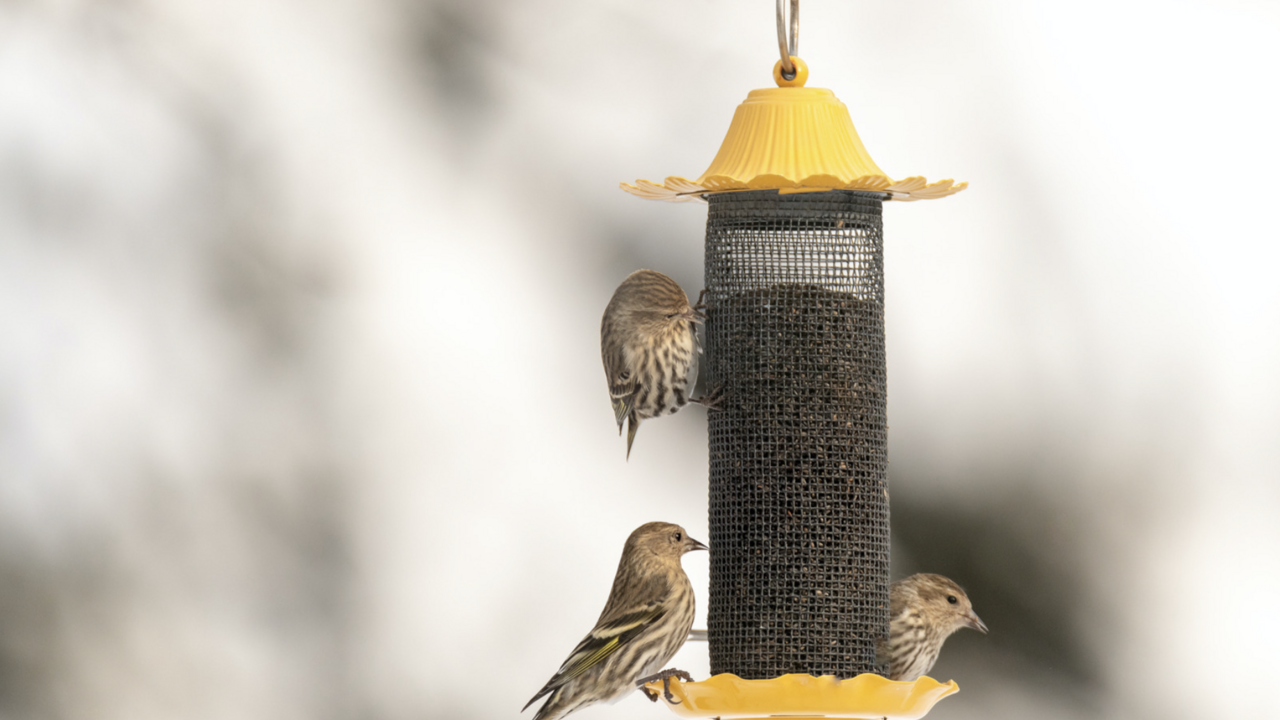
Credit: extension.msstate.edu
Selecting Materials
Choosing the right materials is key to building a bird shelter that lasts through the harsh winter months. The materials you select will affect how well the shelter protects birds from cold, wind, and moisture. Think about durability, insulation, and safety to create a cozy refuge for your feathered visitors.
Weather-resistant Wood Options
Wood is the most common choice for bird shelters, but not all wood types hold up well outside. Cedar and redwood are excellent because they resist rot and insect damage naturally. Pine is cheaper but needs extra treatment to withstand moisture.
Pressure-treated wood can also work, but be careful to avoid chemicals that might harm birds. If you’ve ever noticed how some old wooden fences last for years without rotting, that’s usually cedar or redwood at work. Would you want to rebuild your shelter mid-winter? Choosing weather-resistant wood saves you that trouble.
Insulating Materials
Keeping birds warm means adding insulation that blocks cold air but still allows ventilation. Straw, dry leaves, and wood shavings are great natural insulators you can add inside the shelter. Avoid materials that retain moisture, as dampness can freeze and harm birds.
Foam board insulation provides excellent warmth but should be sealed well to prevent water damage. Have you considered how birds huddle together for warmth? A well-insulated shelter supports them without making the space too tight or stuffy.
Non-toxic Paints And Finishes
Protecting your bird shelter with paint or finish extends its life but choose products safe for wildlife. Water-based, non-toxic paints or natural oils like linseed oil work well. Avoid anything with strong chemicals or fumes that could harm birds’ respiratory systems.
Applying a light coat of finish can also help repel water and prevent wood from cracking. Think about what you use on your own skin—would you want harmful chemicals near your home? The same care goes into finishing your bird shelter.
Step-by-step Construction
Building a bird shelter for winter can be a rewarding project that directly helps your feathered friends survive the cold months. The process breaks down into clear steps that anyone can follow, even if you’re new to woodworking. Focusing on precise measurements, sturdy assembly, and thoughtful insulation will ensure your shelter stands up to winter’s challenges.
Measuring And Cutting Pieces
Start by deciding the size of your shelter based on the bird species you want to attract. Smaller birds need cozy, tight spaces, while larger birds require more room. Use a tape measure to get exact dimensions for each piece of wood, including the base, walls, roof, and entrance hole.
Cut your wood carefully using a saw, making sure each piece matches your measurements exactly. Uneven cuts can cause gaps where cold air sneaks in or rain gets through. Have you checked twice before cutting? That extra moment saves a lot of frustration later.
Assembling The Shelter
Lay out all the cut pieces on a flat surface before you start joining them. This helps you visualize the final product and spot any mistakes early. Use nails or screws to attach the walls to the base, ensuring corners are square and tight.
Attach the roof last, allowing it to overhang slightly to keep rain away from the walls. Don’t forget to secure the entrance hole edges to prevent birds from getting hurt. As you build, think about how sturdy the shelter feels—would it survive strong winter winds?
Adding Insulation And Ventilation
Insulation keeps the shelter warm, but too much can trap moisture and harm the birds. Add a thin layer of natural materials like straw or dry leaves inside, avoiding synthetic fibers that hold dampness. You can also line the walls with thin foam boards covered in breathable fabric for extra warmth.
Proper ventilation is just as important to prevent mold and keep air fresh. Drill small holes near the top of the walls or under the roof overhang to allow airflow without letting cold drafts in. How can you balance warmth and ventilation to create the best environment for your birds?

Credit: pipmagazine.com.au
Maintaining The Shelter
Keep the bird shelter clean by removing old nesting materials regularly. Check for damage and fix any holes to protect birds from cold winds. Ensure the shelter stays dry and safe throughout winter.
Maintaining your bird shelter through winter is essential for attracting feathered friends. It ensures their comfort and safety during the cold months. Regular upkeep keeps the shelter inviting and functional. Here are some key maintenance tips.Regular Cleaning Tips
Clean the bird shelter every two weeks. Remove old nesting materials and debris. This prevents pests and diseases. Use a brush and mild soap to scrub surfaces. Rinse thoroughly with water. Let it dry before reassembling. This ensures a healthy environment for birds.Seasonal Adjustments
Check the shelter’s structure for damage. Repair any cracks or holes. Insulate the shelter with extra straw or wood shavings. This helps retain warmth. Adjust the shelter’s position to block strong winds. Ensure the entry hole faces away from prevailing winds. This provides a cozy retreat for birds.Attracting Birds With Food And Water
Place feeders near the shelter. Offer seeds, nuts, and suet. These provide energy-rich food. Keep feeders clean and filled. Provide a water source. A heated birdbath prevents freezing. Ensure water is fresh and clean. This attracts more birds to your shelter.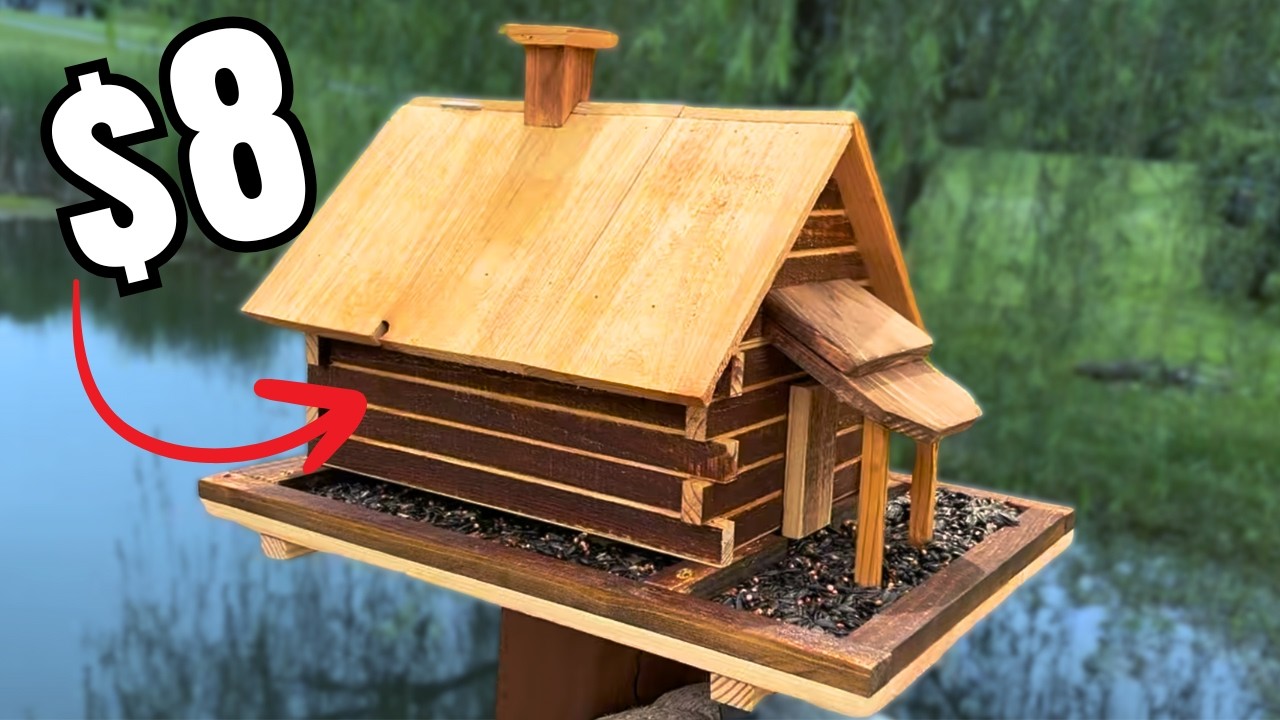
Credit: www.youtube.com
Frequently Asked Questions
What Materials Are Best For A Winter Bird Shelter?
Use weather-resistant wood like cedar or pine. Avoid treated wood with chemicals. Insulate with straw or pine needles for warmth. Ensure materials are non-toxic and durable to withstand harsh winter conditions.
How Do I Keep Birds Safe From Predators?
Build shelters with small entry holes to block predators. Place shelters off the ground on poles or trees. Avoid using wire mesh that can trap birds. Regularly check for signs of predators nearby.
Where Is The Ideal Location For A Bird Shelter?
Choose a quiet, sheltered spot away from wind. Place it near natural cover like bushes or trees. Avoid direct sunlight or areas with heavy foot traffic. Ensure easy access for birds but hidden from predators.
How Often Should I Clean The Bird Shelter?
Clean shelters at least once a year, preferably in early spring. Remove old nesting material to prevent disease. Use mild soap and water, avoiding harsh chemicals. Dry completely before reuse to keep birds healthy.
Conclusion
Building a bird shelter for winter helps birds stay safe and warm. It takes only a little time and simple materials. You create a cozy place that birds will love during cold days. Watching birds visit your shelter brings joy and peace.
Small actions like this make a big difference for wildlife. Try building one and enjoy nature’s beauty close to home. Keep it clean and check often for safety. Your effort helps birds survive harsh winter months. A warm shelter means happy birds and a happy you.