

Ever felt that birdwatching is too complicated or only for the experts? You’re not alone.
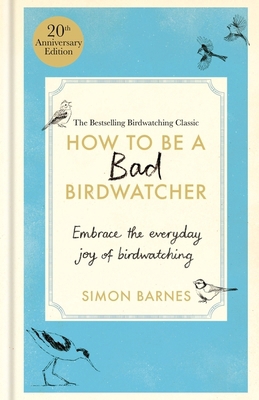
Many people think that to enjoy birdwatching, you need to be a walking encyclopedia of bird species. But what if you could enjoy it without all the pressure? “How to Be a Bad Birdwatcher” by Simon Barnes invites you to embrace the joy of birdwatching without the stress.
This book transforms birdwatching from an intimidating hobby into something accessible and fun. You don’t need to know every bird by name; you just need curiosity and a willingness to look up. Ready to discover how you can be a ‘bad’ birdwatcher and love every moment of it? Keep reading to see why this approach could be exactly what you need.
Embrace Loud Noises
Embracing loud noises is a sure way to be a bad birdwatcher. Birds are sensitive to sounds and often fly away at the slightest noise. Making loud sounds near birds destroys the chance to see them clearly. This approach guarantees you miss the quiet beauty of birdwatching.
Shouting And Clapping To Scare Birds
Shouting near birds causes immediate flight. Clapping hands loudly startles them too. These actions create a noisy environment that scares birds away. Instead of observing, you end up chasing empty air. Loud voices and sudden noises are a perfect recipe to ruin birdwatching.
Using Noisy Gadgets Ineffectively
Some try using noisy gadgets to attract birds. The opposite happens. Devices that buzz, beep, or click confuse and frighten birds. Noisy gadgets disturb the peaceful nature birds need. Using them carelessly leads to zero sightings and more noise complaints. Quiet tools work much better for birdwatchers.

Credit: www.amazon.com
Ignore Bird Identification
Ignoring bird identification might seem like a strange way to enjoy birdwatching, but Simon Barnes suggests it can make the experience more relaxed and enjoyable. Instead of stressing over names and classifications, you focus on the pure joy of watching birds in their natural world. This approach invites you to connect with birds on a more personal level, freeing you from the pressure of being a perfect birder.
Misnaming Common Birds
Have you ever confidently called a sparrow a “little brown bird” and felt perfectly fine about it? Misnaming birds can actually enhance your experience by keeping things lighthearted and fun. You don’t need to know every species to appreciate their behavior or beauty.
Simon Barnes points out that many birdwatchers get caught up in correct naming and miss the simple pleasure of watching. When you stop worrying about labels, you may notice details you’d otherwise overlook—like how a robin tilts its head or how finches chatter in the trees.
Skipping Field Guides And Apps
It’s tempting to rely on apps and field guides, but ignoring them can deepen your connection with nature. Without constant reference to technology, you engage more with your surroundings and trust your own observations.
Try leaving your phone or guidebook behind during your next walk. Instead of identifying every bird, ask yourself what the bird’s actions tell you about its world. This shift changes birdwatching from a checklist task into a vivid experience.
Choose The Worst Spots
Choosing the worst spots is a sure way to guarantee a frustrating birdwatching experience. Simon Barnes humorously points out that if you want to be a bad birdwatcher, picking locations where birds are scarce or hidden is key. This approach not only tests your patience but often leaves you wondering why you bothered at all.
Staying In Busy Urban Areas
Birds tend to avoid noisy, crowded urban spots. If you park yourself next to a busy road or a bustling shopping area, expect very little bird action. The constant noise and movement scare most birds away, leaving you staring at empty branches or pigeons that are all too familiar.
Think about the last time you tried to spot birds near a city center—were you rewarded with a variety of species? Probably not. If you want to be a bad birdwatcher, stick to these noisy, hectic places where birdwatching is nearly impossible.
Ignoring Early Mornings And Quiet Times
Birds are most active during dawn and early morning hours. Avoid these times if you want to miss out on the best sightings. Instead, choose the middle of the day when birds are resting or hiding from the heat.
Have you ever tried watching birds at noon and found it dull? That’s because many species retreat to shady spots, making them hard to see. By ignoring these quiet times, you reduce your chances of spotting any interesting birds.
Credit: allegro.pl
Use Wrong Equipment
Choosing the wrong equipment can quickly turn your birdwatching experience into a frustrating exercise in missed opportunities and unclear sightings. Simon Barnes points out that using inadequate tools not only dulls your experience but also ensures you remain a bad birdwatcher. Let’s explore how poor gear choices sabotage your chances of truly connecting with the birds around you.
Relying On Blurry Binoculars
Imagine spotting a rare bird only to realize your binoculars make its colors and details look like a smudged painting. Using cheap or poorly maintained binoculars is a fast track to disappointment. You might think any binoculars will do, but blurry or scratched lenses make identification nearly impossible.
Consider investing in mid-range binoculars with good magnification and lens quality. Even cleaning your lenses regularly can make a big difference. Ask yourself: are you really seeing the bird, or just a vague shape that leaves you guessing?
Not Bringing A Notebook Or Camera
Birdwatching is more than just spotting birds; it’s about remembering and learning from each encounter. Without a notebook or camera, you risk forgetting key details or missing the chance to share your sightings later. Barnes emphasizes that failing to record your observations is a classic mistake of a bad birdwatcher.
Carrying a small notebook or using a smartphone app to jot down notes helps you track patterns and improve your skills. A camera, even a basic one, captures moments that words can’t always describe. How often have you tried to recall a bird’s markings only to find your memory hazy?
Credit: www.thriftbooks.com
Frequently Asked Questions
What Is The Main Message Of “how To Be A Bad Birdwatcher”?
The main message highlights common mistakes birdwatchers make. It encourages patience, observation, and respect for birds. Simon Barnes uses humor to teach better birdwatching habits. The article promotes enjoying nature without rushing or disturbing wildlife.
How Does Simon Barnes Define A Bad Birdwatcher?
Simon Barnes defines a bad birdwatcher as impatient and noisy. They often scare birds away or miss key details. Bad birdwatchers focus on ticking off species quickly. Barnes advises slowing down and appreciating bird behavior deeply.
Why Is Patience Important In Birdwatching?
Patience allows birdwatchers to observe natural bird behavior. Rushing can cause birds to flee or hide. Careful watching leads to better identification and enjoyment. Barnes stresses that patience enhances the entire birdwatching experience.
What Common Mistakes Should Birdwatchers Avoid?
Common mistakes include noise, sudden movements, and impatience. Many birdwatchers try to see too many species quickly. Ignoring the environment reduces the chances of sightings. Barnes advises respecting birds and blending into their habitat.
Conclusion
Birdwatching is not just about spotting birds quickly. Patience and quiet help you enjoy the moment more. Simon Barnes shows that mistakes can make birdwatching fun. Learning from errors improves your skills over time. Remember, it’s about the experience, not just the count.
Try to notice small details around you. Let curiosity guide your birdwatching adventures. Enjoy each trip, even if you miss a bird. This way, birdwatching becomes a joyful hobby for everyone.