

Imagine the thrill of having a majestic owl grace your backyard. These mysterious birds not only bring a sense of wonder but also help control pesky rodents.
You might be wondering how you can attract these fascinating creatures to make a home in your owl house. The secret lies in understanding what owls seek in a habitat and how you can create the perfect environment for them.
Dive into this guide, and discover simple steps that can transform your outdoor space into a haven for owls. By the end, you’ll be equipped with all the knowledge you need to invite these nocturnal wonders into your life. Keep reading, and uncover the magic of welcoming owls to your very own owl house.
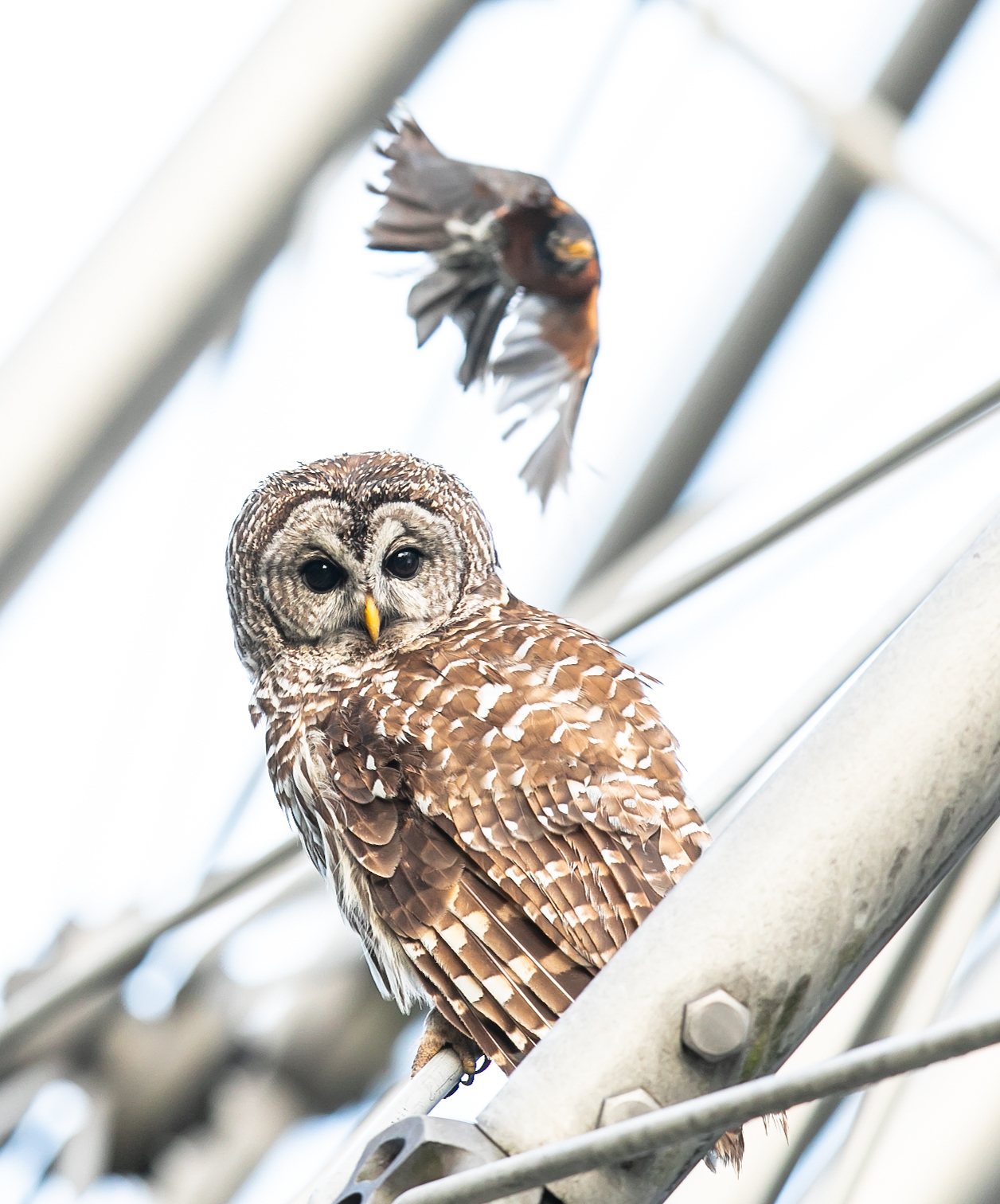
Credit: discoverandshare.org
Choosing The Right Owl House
Choosing the right owl house is key to attracting owls to your garden. Owls need a safe, comfortable place to nest and rest. The size, design, and materials of the house can make a big difference. Also, where you place the house matters for the owl’s safety and comfort.
Ideal Size And Design
The owl house should be big enough for the species you want to attract. Most owls like houses that are about 18 inches tall and 12 inches wide. The entrance hole should be 3 to 4 inches in diameter. A sloped roof helps keep rain out. Ventilation holes near the top let fresh air in. A rough inner surface helps owls grip inside the house.
Best Materials To Use
Wood is the best material for an owl house. It is natural and provides good insulation. Use untreated wood like cedar or pine. Avoid pressure-treated wood or metal, as they can harm owls. The wood should be at least 1 inch thick to keep the house warm. Avoid painting the inside of the house. A weatherproof finish on the outside helps the house last longer.
Placement Tips For Safety
- Mount the house 10 to 20 feet above the ground.
- Place it on a tree or a sturdy pole.
- Face the entrance away from strong winds and direct sunlight.
- Keep the house away from busy roads and noisy areas.
- Clear the area below from bushes and dense plants to help owls hunt.

Credit: www.amazon.com
Creating A Welcoming Environment
Creating a welcoming environment is key to attracting owls to an owl house. Owls need a safe and calm place to feel comfortable. A good habitat invites them to visit and stay. Small changes to the surroundings can make a big difference. The goal is to make the owl house blend with nature and provide security.
Natural Surroundings To Encourage Visits
Owls prefer places with trees and shrubs nearby. These plants offer shelter and spots to hunt. Plant native trees around the owl house. Keep some tall trees for perching. A mix of open spaces and dense vegetation works best. Avoid cutting down trees close to the house. Natural surroundings help owls feel safe and hidden.
Avoiding Disturbances And Predators
Owls avoid noisy and busy areas. Place the owl house away from roads and loud machines. Keep pets and children from disturbing the spot. Limit human visits near the owl house. Check for predators like raccoons or snakes. Use predator guards on the pole or tree holding the house. A quiet, safe place increases the chances of owl visits.
Food Sources Nearby
Owls need steady food sources close to their home. Small mammals like mice and voles are their favorite prey. Avoid using pesticides in the area. Keep the ground cover natural to support small animals. A healthy insect population also attracts prey for owls. Food nearby encourages owls to stay and raise their young.
Maintenance And Monitoring
Keeping an owl house inviting and safe requires ongoing care. Maintenance and monitoring help you spot issues early and ensure the owls feel comfortable returning season after season. Paying attention to small details can make a big difference in attracting and supporting these fascinating birds.
Regular Cleaning Schedule
Cleaning your owl house regularly prevents buildup of parasites and old nesting materials that can discourage owls. Aim to clean once a year, ideally after the breeding season ends, to avoid disturbing any occupants. Use gloves and a brush to gently remove debris and old pellets without damaging the interior.
Have you noticed how a clean space invites more visitors? Keeping the house fresh signals a safe environment for owls to settle in.
Checking For Damage
Inspect the structure often for cracks, loose panels, or water damage. Even small gaps can let in rain or predators, making the house less appealing. Tighten screws, replace damaged wood, and seal any openings you find to maintain a secure shelter.
Think about how you feel in a poorly maintained home—would you want to stay there? Owls feel the same way about their nesting spots.
Tracking Owl Activity
Keep a simple log of visits, sightings, or sounds around the owl house. This helps you understand patterns and identify if the house is attracting owls consistently. Using a motion-activated camera can provide valuable insights without disturbing the birds.
Have you tried noting the time and frequency of owl activity? This information can guide adjustments to improve the house’s appeal.
Seasonal Considerations
Owls respond differently through the seasons. Understanding seasonal needs helps attract and keep them safe. Adjust your owl house and care based on the time of year. This ensures owls feel comfortable and protected all year long.
Preparing For Breeding Season
Breeding season usually begins in early spring. Clean the owl house thoroughly before this period. Remove old nesting material to prevent parasites. Place fresh wood shavings or dry leaves inside. Position the house away from loud noises and heavy foot traffic. Ensure the entrance faces away from prevailing winds. This creates a quiet, safe space for owls to raise chicks.
Winter Care Tips
Winter can be harsh for owls. Insulate the owl house with extra wood or straw. Check for drafts around the entrance and seal gaps. Mount the house in a sheltered spot, protected from heavy rain and snow. Avoid disturbing the house during cold months. Provide food sources nearby, like small rodents or insects. These steps help owls stay warm and healthy through winter.
Adapting To Local Climate
Climate varies widely across regions. In hot areas, add ventilation holes to avoid overheating. Paint the owl house with light colors to reflect sunlight. In rainy regions, use water-resistant materials and steep roof angles. Make sure drainage holes prevent water buildup inside. Adjust height and placement based on local wildlife and weather patterns. Tailoring the house to your climate improves owl comfort and safety.

Credit: thebaynet.com
Frequently Asked Questions
How Do I Choose The Best Location For An Owl House?
Select a quiet, wooded area away from human activity. Place the owl house 10-20 feet high on a sturdy tree or pole. Ensure it faces away from prevailing winds and direct sunlight to keep owls comfortable and safe.
What Materials Are Ideal For Building An Owl House?
Use untreated, durable wood like cedar or pine for natural insulation. Avoid metal or plastic, which can overheat. Make sure the wood is thick enough to protect owls from extreme weather and predators.
How Can I Attract Owls To My Owl House?
Provide a food source by encouraging rodents and small mammals nearby. Keep the area free from pesticides and minimize noise. Installing a water source nearby can also help attract owls to the area.
What Size Should An Owl House Be For Different Species?
For barn owls, a house should be about 18×18 inches with a 3-inch entrance. For screech owls, use smaller dimensions around 10×10 inches. Proper sizing ensures comfort and encourages owls to nest.
Conclusion
Attracting owls takes patience and the right setup. Place the owl house in quiet, natural spots. Keep it clean and safe from predators. Use the right size and materials for comfort. Providing food nearby helps owls visit often. Watch quietly and respect their space.
Over time, owls may choose your house. Enjoy the chance to see these amazing birds close. Nature rewards care and effort. Keep learning and improving your owl house for best results.