

Are you tired of gazing out your window only to find your bird feeder void of those vibrant red cardinals? You’re not alone.
Cardinals are a favorite among bird enthusiasts, not just for their striking beauty but for their charming presence. Imagine sipping your morning coffee while watching these stunning creatures flit about your garden. Sounds delightful, doesn’t it? But attracting cardinals can sometimes feel like solving a tricky puzzle.
Don’t worry; you’re about to discover simple yet effective strategies to turn your backyard into a cardinal haven. Stick around to learn how to fill your outdoor space with the delightful presence of these beautiful birds. Your mornings are about to get a whole lot brighter!
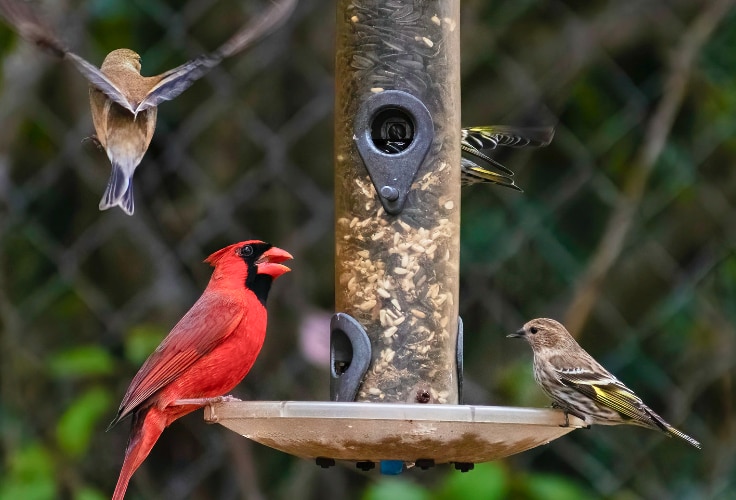
Credit: avibirds.com
Choose The Right Feeder
Choosing the right feeder is crucial to attract cardinals to your yard. Cardinals have particular preferences that affect their feeding habits. Understanding these preferences helps you offer a welcoming spot that encourages them to visit regularly.
Best Feeder Types For Cardinals
Cardinals prefer feeders that accommodate their size and feeding style. Tube feeders with large perches or hopper feeders work well because they provide enough space for these medium-sized birds.
- Platform feeders:These open feeders offer plenty of space for cardinals to land and eat comfortably.
- Hopper feeders:They combine cover and accessibility, giving cardinals a protected area to feed.
- Saucer or tray feeders:Cardinals enjoy feeding at ground level or low platforms, making these excellent choices.
Make sure the feeder has wide perches or flat surfaces, as cardinals don’t like narrow, cramped spots. Also, feeders that keep seeds dry and fresh will keep cardinals coming back.
Placement Tips For Visibility And Safety
Where you place your feeder affects how comfortable cardinals feel visiting it. They need a clear view of their surroundings to spot predators easily.
- Place feeders 10 to 12 feet away from dense shrubs or trees, so cardinals can quickly escape if threatened.
- Keep feeders within 5 to 6 feet of cover like bushes or small trees to offer quick shelter.
- Position feeders at eye level or slightly higher for easier access and better visibility.
Have you noticed how birds avoid open spaces without nearby cover? Cardinals are no different—they need a balance between safety and visibility to feel secure while feeding.

Credit: m.youtube.com
Pick The Best Food
Picking the best food for your bird feeder is key to attracting cardinals. These vibrant birds have specific tastes that you can cater to. Offering the right seeds will make your feeder a favorite spot for cardinals to visit again and again.
Seeds Cardinals Love
Cardinals have strong beaks that can crack open tough shells. They especially enjoy sunflower seeds, with black oil sunflower seeds being their top choice because they are easy to crack and rich in nutrients.
Other seeds that attract cardinals include:
- Safflower seeds – Cardinals love these and many other birds avoid them, which helps reduce competition.
- White proso millet – A smaller seed that cardinals enjoy, especially in the winter months.
Try mixing these seeds in your feeder to see which your local cardinals prefer. You might notice they come back more often when you offer their favorites.
Avoiding Unwanted Visitors
Feeding cardinals is rewarding, but your feeder may also attract squirrels, pigeons, or other birds that can scare cardinals away. Choosing seeds like safflower can help, as many unwanted visitors avoid them.
Consider these tips to keep your feeder cardinal-friendly:
- Use feeders with smaller ports that limit access to larger birds.
- Place feeders away from areas frequented by squirrels or use squirrel baffles.
- Clean the feeder regularly to avoid mold or pests that discourage cardinals.
What changes can you make to your current feeder setup to welcome cardinals more comfortably? Small adjustments could turn your backyard into a cardinal hotspot.
Create A Cardinal-friendly Habitat
Creating a habitat that cardinals love goes beyond just setting up a feeder. It involves making your outdoor space a safe, welcoming environment where these bright red birds feel at home. Think about what cardinals need naturally and try to offer that in your yard.
Planting Native Trees And Shrubs
Cardinals prefer areas with dense cover for nesting and protection. Planting native trees and shrubs like dogwood, serviceberry, and viburnum gives them places to hide from predators and harsh weather. These plants also produce berries and seeds that cardinals enjoy eating.
Have you noticed how cardinals often stay near thick bushes? Adding these plants near your feeder encourages them to visit more often and stay longer. Plus, native plants require less maintenance and attract other beneficial wildlife.
Providing Water Sources
Fresh water is essential for cardinals, not just for drinking but for bathing too. A simple birdbath placed near your feeder can make a big difference. Keep the water clean and change it regularly to invite cardinals back day after day.
Think about the placement of your water source. Cardinals feel safer if it’s near cover but still visible. Try a shallow birdbath or a small fountain with gentle movement to catch their attention and meet their needs.

Credit: www.youtube.com
Maintain Your Feeder Regularly
Maintaining your bird feeder regularly is key to attracting cardinals and keeping them coming back. A clean and well-stocked feeder creates a safe and inviting space for these vibrant birds. Neglecting maintenance can lead to mold, spoiled seeds, and a decline in bird visits.
Cleaning Tips For Health
Regular cleaning prevents the buildup of bacteria and mold that can harm cardinals. Use a solution of one part white vinegar to four parts water to scrub the feeder. Rinse thoroughly and let it dry completely before refilling.
Cleaning every two weeks is a good rule, but if you notice seed debris or droppings, clean more often. Avoid harsh chemicals, as they can leave residues harmful to birds. Have you checked your feeder lately to see if it needs a quick wash?
Refilling And Monitoring
Keep your feeder filled with fresh, high-quality seeds like sunflower or safflower, which cardinals love. Check the seed level daily, especially in warm weather, to prevent seeds from becoming damp or moldy.
Observing your feeder can also help you notice changes in bird activity. If visits drop, consider whether your feeder is clean or if the seeds are fresh. How often do you monitor your feeder’s condition to ensure it stays inviting?
Frequently Asked Questions
What Food Attracts Cardinals To Bird Feeders?
Cardinals prefer sunflower seeds, safflower seeds, and cracked corn. These seeds provide essential nutrients and are easy for cardinals to eat. Avoid mixes with millet or small seeds, as cardinals usually ignore them.
Where Should I Place A Cardinal Bird Feeder?
Place feeders near shrubs or trees for shelter and protection. Cardinals feel safe when feeders are close to natural cover. Avoid open areas that expose birds to predators.
What Type Of Bird Feeder Is Best For Cardinals?
Use platform or hopper feeders with wide perches. Cardinals are larger birds and prefer feeders that accommodate their size. Tube feeders with large perches can also work well.
How Can I Keep Cardinals Visiting Regularly?
Keep feeders clean and consistently filled with fresh seeds. Provide water sources like birdbaths nearby. Regular maintenance encourages cardinals to return often.
Conclusion
Attracting cardinals to your bird feeder takes patience and care. Choose the right seeds and keep the feeder clean. Place it where cardinals feel safe and can easily spot food. Add fresh water nearby for them to drink and bathe.
Watch quietly and enjoy their bright colors and songs. Small changes make a big difference in welcoming cardinals. Keep trying, and soon your yard will be full of these lovely birds.