

Imagine waking up to the cheerful songs of bluebirds right outside your window. Their vibrant colors and delightful melodies can brighten your day and enhance the natural beauty of your garden.
If you’ve ever wondered how to attract these charming birds to your own backyard, you’re in the right place. By the end of this guide, you’ll discover the secrets to making your garden a welcoming haven for bluebirds. We’ll explore simple yet effective ways to invite these lovely creatures to visit and make their home in your bluebird house.
So, are you ready to transform your outdoor space into a bluebird paradise? Let’s get started!

Credit: www.youtube.com
Choosing The Right Habitat
Choosing the right habitat is key to attracting bluebirds to your house. These birds seek safe spaces with plenty of food and shelter. Creating a welcoming environment helps them feel secure and encourages them to stay.
Ideal Yard Features
Bluebirds prefer open areas with short grass. They like yards with scattered trees or shrubs for perching and nesting. Avoid dense woods or thick brush. A clear view helps them spot insects easily.
- Keep the lawn mowed regularly
- Place nest boxes in open spaces
- Provide perches like small trees or fence posts
- Ensure a water source nearby, like a birdbath
Native Plants For Bluebirds
Native plants attract insects that bluebirds eat. They also offer natural shelter and nesting materials. Choose plants that bloom at different times for year-round benefits.
- Serviceberry
- Sumac
- Goldenrod
- Milkweed
- Black-eyed Susan
Planting these natives near nest boxes boosts bluebird visits. They provide food and cover, making your yard a bluebird-friendly zone.
Credit: nature-niche.com
Setting Up Nesting Boxes
Setting up nesting boxes is one of the most effective ways to invite bluebirds to your yard. These birds are cavity nesters, meaning they prefer enclosed spaces to raise their young. Providing the right nesting box can create a safe and attractive home for them, encouraging repeated visits season after season.
Box Placement Tips
Where you place the nesting box matters a lot. Bluebirds like open areas with low ground cover nearby, such as meadows or lawns. Mount the box about 4 to 6 feet above the ground on a post or tree, ensuring the entrance faces away from prevailing winds to protect the nest from harsh weather.
Think about accessibility for predators. Avoid placing boxes too close to thick shrubs or brush where cats and squirrels can hide. A clear flight path with some perching spots nearby will also invite bluebirds to explore your box.
Maintenance And Monitoring
Regular upkeep of your nesting box keeps it inviting and safe. Clean out old nests every fall to reduce parasites and diseases that could harm future occupants. Check the box often during the breeding season but keep your visits brief and quiet to avoid disturbing the birds.
Have you noticed fewer visits after neglecting box care? That’s common. Simple actions like repairing cracks or ensuring proper drainage can make a big difference. Monitoring your box not only helps the bluebirds but also gives you a front-row seat to nature’s fascinating family life.
Providing Food And Water
Providing food and water is essential to attract bluebirds to your home. These birds are drawn to reliable sources that meet their dietary needs and hydration preferences. Creating the right environment with tasty treats and fresh water encourages bluebirds to visit and stay around your property.
Best Food Options
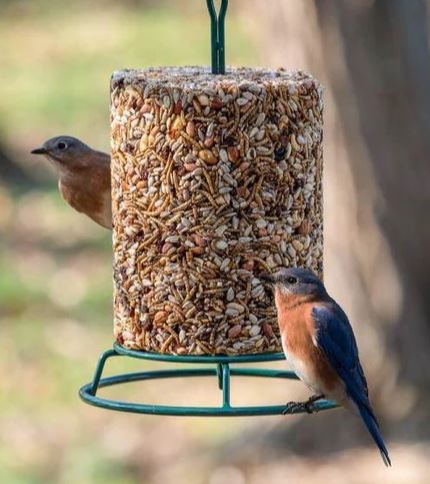
Bluebirds primarily eat insects, but they also enjoy fruits, especially in cooler months. Offering mealworms is a great way to attract them because these bugs are a natural and highly preferred food source.
- Live or dried mealworms:Place them in a shallow dish or on a platform feeder to make them easy to find.
- Fresh berries:Blueberries, elderberries, and mulberries are favorites. Scatter a few on a tray feeder to catch their eye.
- Suet cakes with insects:This provides a protein boost, especially in colder weather.
Have you noticed how bluebirds often dart in and out of bushes? That’s because they hunt insects in natural settings. Providing mealworms mimics their natural diet and increases your chances of attracting them.
Water Sources And Baths
Bluebirds need clean water for drinking and bathing to keep their feathers in top condition. A steady, fresh water supply near your feeders will encourage them to visit often.
- Shallow birdbaths:Choose baths no more than 1 to 1.5 inches deep to make it easy for bluebirds to bathe safely.
- Dripper or mister features:Moving water attracts more birds than still water, so adding a gentle drip can be very effective.
- Regular cleaning:Replace water every few days to prevent bacteria buildup and keep the birds healthy.
Have you ever watched a bluebird splash in water? They are surprisingly energetic bathers. Providing a safe and inviting bath spot can turn your yard into their favorite hangout.

Credit: www.harrowsmithmag.com
Avoiding Common Hazards
A thriving bluebird habitat depends on more than just setting up a cozy nest box. You need to protect these delicate birds from everyday dangers that could stop them from visiting or nesting in your yard. Understanding and avoiding common hazards is key to creating a safe environment that bluebirds will return to year after year.
Predator Prevention
Predators like cats, snakes, and raccoons can easily scare away or harm bluebirds. You can protect your feathered guests by installing predator guards around nest boxes. Metal baffles on poles or smooth PVC pipes prevent climbing predators from reaching the nests.
Keep your yard clear of dense shrubbery near nest boxes. This removes hiding spots for predators and gives bluebirds a better view of approaching dangers. Have you noticed how bluebirds prefer open spaces? They use their sharp eyesight to stay alert.
Minimizing Pesticide Use
Pesticides don’t just kill harmful insects—they can poison bluebirds too. Reducing or eliminating chemical sprays helps maintain a healthy insect population, which is the main food source for bluebirds.
Instead of chemicals, try natural pest control methods like planting insect-repelling herbs or encouraging beneficial insects. Your bluebirds will thank you by sticking around and raising healthy chicks. How safe is your garden for wildlife?
Frequently Asked Questions
How Can I Attract Bluebirds To My Yard?
Provide open spaces with short grass and scattered perches. Install bluebird-specific nest boxes away from predators. Offer fresh water sources like shallow birdbaths. Plant native berry-producing shrubs and avoid pesticides to create a healthy habitat.
What Type Of Nest Box Do Bluebirds Prefer?
Bluebirds prefer wooden nest boxes with a 1. 5-inch entrance hole. The box should be mounted 4-6 feet above ground. Ensure good ventilation, drainage, and easy cleaning access for the nest box.
When Is The Best Time To Put Up Bluebird Houses?
Install bluebird houses early spring before breeding season starts. This timing helps bluebirds find and claim your boxes quickly. Regularly monitor the houses during nesting for maintenance and protection.
What Food Attracts Bluebirds Naturally?
Bluebirds eat insects like beetles, grasshoppers, and caterpillars. They also enjoy berries such as dogwood, elderberry, and mulberry. Avoid feeding them bread or processed foods, which can harm their health.
Conclusion
Attracting bluebirds to your home brings joy and beauty. Provide safe nesting boxes and fresh water nearby. Plant native flowers and avoid chemicals in your yard. Keep the area quiet and free from predators. Watch patiently as bluebirds explore and settle in.
Nature’s charm waits just outside your door. Small efforts create big rewards in wildlife watching. Enjoy the peaceful presence of these bright birds daily.