
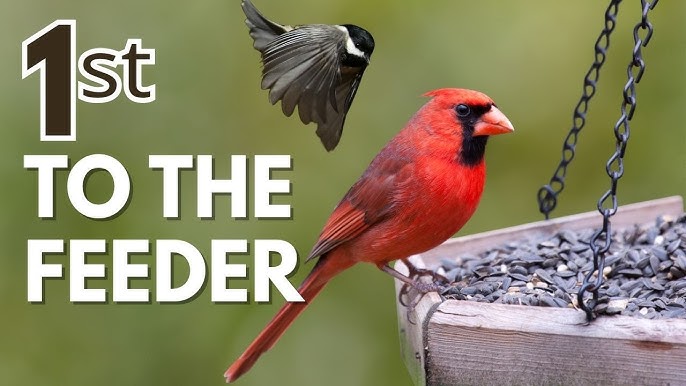
Are you eager to see colorful birds visit your new feeder? Attracting birds isn’t just about putting out food—it’s about creating a welcoming space that makes them want to stay.
Imagine stepping outside and spotting a variety of birds fluttering around your feeder, bringing life and beauty right to your backyard. You’ll discover simple, effective tips to draw birds in quickly and keep them coming back. Ready to turn your feeder into a bird magnet?
Let’s get started!

Credit: www.youtube.com
Choosing The Right Feeder
Choosing the right feeder is your first step toward attracting a variety of birds to your new feeder. The feeder you pick impacts not only which birds visit but also how often they return. Think about your garden space, the types of birds nearby, and how much effort you want to put into maintenance.
Types Of Feeders
Different feeders attract different birds. Tube feeders are great for small songbirds like finches and chickadees because they offer several feeding ports. Platform feeders, which are flat and open, invite a range of birds including cardinals and doves, but they might also attract squirrels.
Hopper feeders combine features of tube and platform feeders and can hold a large amount of seed, reducing how often you need to refill. If you want to attract hummingbirds, a nectar feeder is essential. Reflect on what birds you want to see and pick a feeder that suits their feeding habits.
Material And Durability
The material of your feeder affects how long it lasts and how easy it is to clean. Plastic feeders are lightweight and often cheaper, but they may fade in sunlight or crack in cold weather. Metal feeders are more durable and resistant to squirrels but can be heavier and pricier.
Wood feeders blend well into natural settings but require more upkeep to prevent mold and rot. Glass feeders look elegant and are easy to clean but can break easily. Ask yourself how much time you want to spend on maintenance and how tough your feeder needs to be against weather and wildlife.
Picking The Best Location
Choosing the right spot for a new bird feeder is key to attracting more birds. The location impacts how safe and comfortable birds feel. It also affects how easy it is for birds to reach the feeder. A good location can turn your feeder into a busy bird gathering place.
Safe And Quiet Spots
Birds prefer places away from loud noises and heavy foot traffic. Choose a spot that is calm and peaceful. Avoid areas near busy roads or playgrounds. Birds feel safer near trees or bushes where they can hide quickly. These natural shelters protect birds from predators and harsh weather.
Accessibility For Birds
Place the feeder where birds can easily land and take off. Open spaces near shrubs or small trees work well. Make sure the feeder is not too close to windows to prevent collisions. A clear flight path helps birds reach the food without stress. Also, keep the feeder at a height that is safe from cats or other animals.
Selecting Bird-friendly Food
Choosing the right food is key to attracting birds to your new feeder. Different birds prefer different seeds and treats, so offering a variety can help you see more feathered visitors. Think about what local birds enjoy and what you can easily provide to keep them coming back.
Popular Seeds And Feed
Sunflower seeds are a top choice for many birds. Black oil sunflower seeds, in particular, attract finches, chickadees, and cardinals because of their thin shells and high oil content.
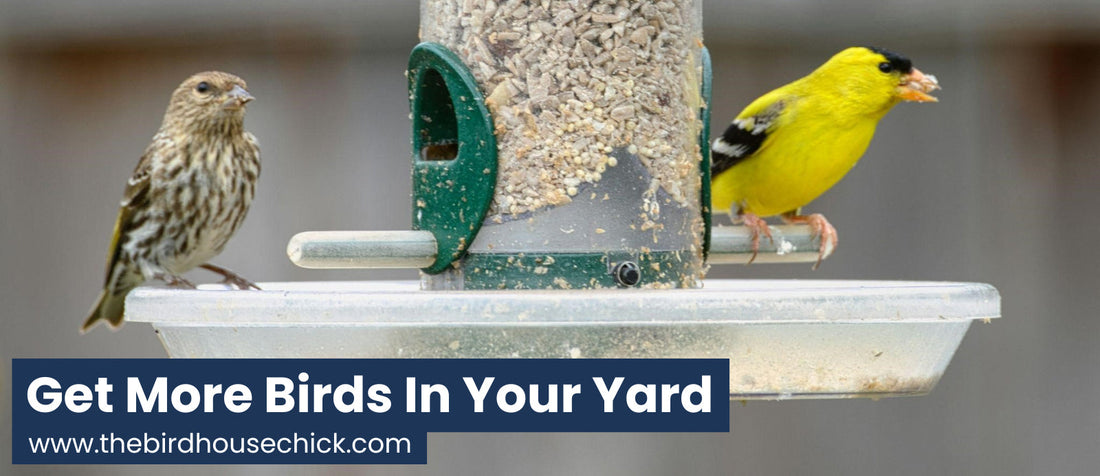
Nyjer (thistle) seeds are favorites of finches like goldfinches and siskins. These tiny seeds require a special feeder, but the payoff is worth it if you want to see these colorful birds.
Don’t overlook millet and cracked corn. Ground-feeding birds such as sparrows and doves love these options. Offering a mixed seed blend can satisfy a wide range of species.
Seasonal Food Choices
Bird preferences can change with the seasons. In winter, high-fat foods like suet or peanuts provide the energy birds need to stay warm.
During spring and summer, try offering fresh fruits like berries or chopped apples. Many birds enjoy these natural treats, especially those feeding their young.
Consider adding mealworms or nectar in warmer months to attract insect-eaters and hummingbirds. Are you ready to adjust your feeder’s menu as the seasons change to keep your visitors happy year-round?

Credit: avibirds.com
Creating A Bird-friendly Environment
Creating a bird-friendly environment around your new feeder makes a huge difference in attracting a variety of feathered visitors. Birds don’t just come for food; they look for safety, water, and comfortable places to rest. By setting up the right surroundings, you invite birds to stay longer and return often.
Water Sources
Birds need water for drinking and bathing. Adding a shallow birdbath near your feeder can make your yard more appealing. Keep the water clean and fresh by changing it every few days, especially in hot weather.
Think about placing a small fountain or dripper to create moving water. Birds are attracted to the sound and motion, which signals a safe water source. Have you noticed how birds hesitate to use still water but dive right into fountains?
Shelter And Plants
Birds want places to hide from predators and rest between visits to your feeder. Planting native shrubs and trees provides natural shelter and cover. Evergreens are excellent because they offer protection year-round.
Adding a mix of plants that produce berries or seeds can also keep birds interested beyond just the feeder. You might see a wider variety of species if you provide both food and shelter. What kinds of plants do you have near your feeder, and could adding more make a difference?
Credit: www.thebirdhousechick.com
Frequently Asked Questions
How Do I Choose The Best Location For A New Feeder?
Place your feeder in a quiet, sheltered spot near trees or shrubs. This offers birds safety and easy access. Avoid busy or windy areas to keep birds comfortable and encourage frequent visits.
What Type Of Birdseed Attracts The Most Birds?
Black oil sunflower seeds attract a wide variety of birds. They have thin shells and high fat content, making them ideal. You can also mix seeds to attract different species for a vibrant birdwatching experience.
How Long Does It Take For Birds To Find A New Feeder?
Birds usually find new feeders within a few days to a week. Consistent refilling and patience are key. Avoid moving the feeder frequently, as stability helps birds recognize the food source faster.
Should I Clean My Bird Feeder Regularly?
Yes, clean your feeder every two weeks to prevent disease. Use warm soapy water and rinse well. Clean feeders keep birds healthy and encourage regular visits, making your birdwatching more enjoyable.
Conclusion
Attracting birds to a new feeder takes time and care. Choose the right food and keep the feeder clean. Place it where birds feel safe and watch patiently. Different birds like different seeds and feeders. Small changes can bring more feathered friends.
Enjoy the peaceful moments as birds visit. Remember, patience makes your garden lively and bright. Keep learning about birds to improve your feeder setup. Soon, your new feeder will be full of happy birds.