

Are you wondering how often you should change your bird’s food? If so, you’re not alone.
As a devoted bird owner, you want the best for your feathered friend. You know that a healthy diet is crucial, but knowing how often to refresh their food can be tricky. This article will help you navigate through these questions and ensure your bird is thriving.
By understanding the right feeding schedule, you can keep your bird happy, healthy, and full of energy. So, if you’re ready to make a positive change in your bird’s diet, keep reading to discover simple tips that could make all the difference.

Credit: www.reddit.com
Signs Your Bird’s Food Needs Changing
Knowing when to change your bird’s food is important for its health. Birds may show clear signs if their food is no longer suitable. Watching these signs helps you keep your bird happy and healthy.
Changes In Bird’s Eating Habits
Birds often change their eating habits when food quality drops. They may eat less or refuse food altogether. Sudden disinterest in favorite seeds or pellets can signal a problem. Watch for picky behavior or skipping meals. These changes mean it might be time to update the diet.
Food Spoilage Indicators
Old or spoiled food is unsafe for birds. Look for mold, unusual smells, or discoloration in the food. Clumped or damp seeds show moisture damage. Leftover food that stays too long can attract bacteria. Always check bird food regularly to avoid spoilage risks.
Nutritional Deficiency Symptoms
Poor diet leads to visible health issues in birds. Feather loss, dull plumage, and weak posture are common signs. Birds might seem tired or less active than usual. Watch for weight loss or changes in droppings. These symptoms suggest the bird needs better nutrition.

Credit: www.allaboutbirds.org
Recommended Food Change Frequency
Knowing how often to change your bird’s food is key to keeping them healthy and happy. Freshness and variety matter more than you might think. Adjusting food regularly helps prevent spoilage and ensures your bird gets a balanced diet with all the nutrients it needs.
Daily Fresh Food Practices
Always remove uneaten fresh food at the end of the day. Fruits, vegetables, and cooked items can spoil quickly, inviting bacteria and mold. Offering new, clean portions daily keeps your bird’s meals safe and tasty.
I once left some chopped apples in my parrot’s dish overnight, and by morning, they had turned mushy and smelled off. Since then, I strictly follow daily changes and have noticed my bird is more energetic and less prone to digestive upset.
Weekly Food Rotation
Switch up your bird’s seed and pellet mix weekly to provide a wider range of nutrients. Birds can get bored of eating the same food, which may lead to selective eating or nutrient deficiencies. Rotating seeds, nuts, and pellets keeps their diet interesting and balanced.
- Try mixing sunflower seeds one week and millet the next.
- Introduce different pellet brands or flavors on a rotating schedule.
- Include occasional treats like dried fruits or nuts once a week.
Seasonal Diet Adjustments
Change your bird’s food with the seasons to match natural availability and nutritional needs. In warmer months, fresh fruits and vegetables are abundant and should be offered more often. During colder periods, focus on calorie-rich foods to help your bird maintain energy.
Think about what your bird would naturally eat in the wild during different seasons. Adjusting their diet accordingly supports their immune system and overall well-being throughout the year.
Choosing The Right Food For Your Bird
Choosing the right food for your bird is key to keeping it healthy and happy. Your bird’s diet affects its energy, feather quality, and overall well-being. Knowing what to feed and how often to change their food can make a big difference in their life.
Types Of Bird Food
Bird food comes in many forms, including seeds, pellets, fruits, vegetables, and nuts. Seeds are popular but often lack essential nutrients when given alone. Pellets offer balanced nutrition designed for specific bird species.
Fresh fruits and vegetables add vitamins and variety to your bird’s diet. Be careful with nuts—they are high in fat and should be given in moderation. Mixing different types of food can keep your bird interested and healthy.
Age And Species Considerations
Different birds have different nutritional needs based on their species and age. Young birds need more protein for growth, while older birds require diets that support joint and feather health. Parrots, finches, and canaries all thrive on different food mixes.
Ask yourself: Is your bird still growing, or is it an adult? Are you feeding a small finch or a large parrot? Tailoring food to these factors ensures your bird gets what it really needs.
Avoiding Harmful Ingredients
Some foods can harm your bird, even if they seem healthy to us. Avoid chocolate, caffeine, avocado, and salty or sugary snacks—they can be toxic. Also, steer clear of foods with artificial colors and preservatives.
Always check ingredient lists and research unfamiliar items before adding them to your bird’s diet. Protecting your bird from harmful ingredients is as important as providing the right nutrients.
Maintaining Food Hygiene And Storage
Maintaining food hygiene and proper storage is key to keeping your bird healthy and happy. Food that is not stored or handled correctly can quickly spoil or attract harmful bacteria. Paying attention to how you store and serve your bird’s food helps avoid illness and waste.
Proper Storage Techniques
Store your bird’s food in airtight containers to keep it fresh longer. Avoid bags or containers that let in moisture or air, as these can cause mold or spoilage. Keep food in a cool, dry place away from direct sunlight to preserve nutrients and prevent insect infestations.
Think about how often you open the container. Frequent exposure to air speeds up spoilage. You might even want to portion the food into smaller containers to open only what you need daily.
Cleaning Feeding Areas
Clean your bird’s feeding bowls and surrounding area every day. Leftover food can attract bacteria and pests, which pose health risks. Use warm water and mild soap, then rinse thoroughly to avoid soap residue that might harm your bird.
Have you noticed a foul smell or sticky residue around the feeding area? That’s a clear sign it needs a thorough cleaning. Regular cleaning also helps you spot uneaten food that should be replaced promptly.
Preventing Contamination
Keep food away from places where it can get contaminated, like near cleaning chemicals or in dusty areas. Avoid using metal containers that can react with bird food; instead, opt for plastic or glass containers that are easy to clean.
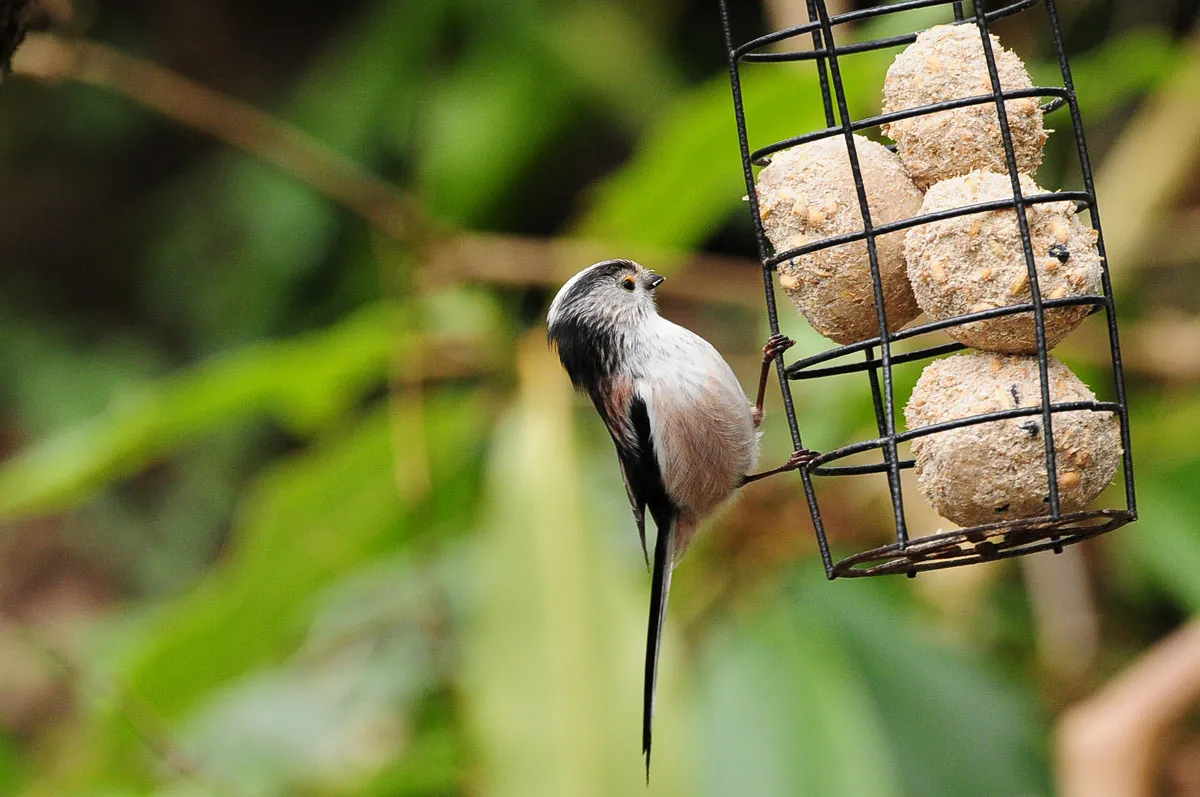
Do you check your bird’s food for signs of mold or pests before serving? Always inspect the food visually and smell it to catch any early signs of contamination. Discard any food that looks or smells off immediately to protect your bird’s health.
Credit: www.bto.org
Frequently Asked Questions
How Often Should I Replace My Bird’s Food Daily?
You should replace your bird’s food daily to ensure freshness. Remove uneaten food every 24 hours to prevent spoilage and bacteria growth. This keeps your bird healthy and encourages a balanced diet.
Can Old Bird Food Harm My Pet?
Yes, old bird food can grow mold and bacteria. Spoiled food can cause digestive issues and infections. Always discard uneaten food after one day to protect your bird’s health.
How To Store Bird Food Properly At Home?
Store bird food in an airtight container in a cool, dry place. Avoid exposure to heat and moisture. Proper storage preserves nutrients and prevents contamination.
Should I Change Bird Food Types Regularly?
Yes, offering varied food types supports balanced nutrition. Rotate seeds, pellets, fruits, and vegetables for optimal health. Changing food prevents boredom and nutrient deficiencies.
Conclusion
Changing your bird’s food regularly keeps them healthy and happy. Fresh food prevents spoilage and reduces the risk of illness. Observe your bird’s eating habits to know when to replace food. Clean their food containers often to avoid bacteria build-up.
A good feeding routine supports your bird’s energy and growth. Small changes in diet can make a big difference. Keep your bird’s meals fresh and balanced every day. This simple habit helps your bird live a longer, better life.