

Imagine coming home to a space filled with fresh air, where your feathered friend chirps happily in a clean, vibrant environment. Just as you cherish a tidy home, your bird appreciates a spotless cage.
But how often should you roll up your sleeves and get to work? If you’re unsure, you’re not alone. Many bird owners struggle to find the perfect cleaning routine. You’ll discover the ideal cleaning schedule that will keep your bird’s cage sparkling and your pet healthy.
Unveil the secrets that will make cleaning less of a chore and more of a rewarding ritual. Ready to give your bird the clean, happy home it deserves? Read on to find out more!
Ideal Cleaning Frequency
Keeping a bird cage clean is important for your pet’s health and happiness. The ideal cleaning frequency balances daily care with deeper cleaning tasks. Regular attention prevents bad smells and illness. It also creates a safe, comfortable space for your bird. Different tasks fit into daily, weekly, and monthly schedules. Each level of cleaning plays a key role in cage hygiene.
Daily Tasks
- Remove uneaten food and replace with fresh portions.
- Change water to keep it clean and fresh.
- Spot clean droppings on perches and cage floor.
- Wipe down food and water dishes.
- Check for any debris or feathers to remove.
Weekly Maintenance
- Replace cage liners or bedding completely.
- Wipe cage bars and surfaces with a bird-safe cleaner.
- Clean toys and accessories to remove dirt and germs.
- Inspect cage for signs of rust or damage.
- Check and clean any hidden corners or crevices.
Monthly Deep Cleaning
- Remove the bird from the cage for safety.
- Disassemble cage parts if possible for thorough cleaning.
- Scrub cage bars, trays, and accessories with warm soapy water.
- Rinse everything well to remove soap residue.
- Dry cage completely before reassembling and returning the bird.

Credit: birdsupplies.com
Health Risks Of Poor Hygiene
Keeping your bird’s cage clean is more than just about appearance—it directly affects your pet’s health and happiness. Neglecting hygiene in the cage can create a breeding ground for harmful bacteria and parasites. This can quickly turn your safe space into a risky environment for your feathered friend.
Common Diseases
Poor cage hygiene can lead to several health issues for your bird. Bacterial infections like Salmonellaand E. colithrive in dirty cages and can cause severe digestive problems. Fungal infections, such as aspergillosis, develop in damp, unclean conditions and affect your bird’s respiratory system.
Parasites like mites and lice also find unclean cages ideal for breeding. These parasites irritate your bird’s skin, causing itching and feather loss. If untreated, these infestations can weaken your bird and lead to more serious complications.
Impact On Bird Behavior
Have you noticed your bird acting unusually restless or withdrawn? Dirty cages can cause stress and discomfort, affecting your bird’s behavior. Birds living in unhygienic environments often show signs of anxiety, including excessive screaming, feather plucking, or aggression.
Stress from poor hygiene can lower your bird’s immune system, making it harder for them to fight off illnesses. Clean cages help maintain a calm, comfortable habitat, encouraging natural behaviors like playing and singing. When you keep your bird’s space clean, you’re not just improving their health—you’re supporting their emotional well-being too.
Effective Cleaning Techniques
Keeping your bird’s cage spotless is crucial for its health and happiness. Effective cleaning techniques not only protect your feathered friend from harmful bacteria but also create a fresh, inviting environment. Let’s focus on how you can clean efficiently while keeping your bird safe and comfortable.
Safe Cleaning Products
Choosing the right cleaning products is key. Avoid harsh chemicals like bleach or ammonia, which can harm your bird’s respiratory system. Instead, opt for bird-safe cleaners or natural alternatives such as white vinegar diluted with water.
Many pet stores offer non-toxic sprays specifically designed for bird cages. These products clean effectively without leaving dangerous residues. Have you checked the labels for ingredients before? It’s a simple step that can make a big difference.
Step-by-step Cleaning Process
Start by removing your bird to a safe temporary space. Take out all toys, perches, and dishes from the cage. This makes thorough cleaning easier and prevents accidental damage.
Next, use warm water and your chosen safe cleaner to scrub the cage bars, floor, and corners. A soft brush or sponge works well to remove droppings and food debris. Rinse everything thoroughly to avoid any residue that might irritate your bird.
Clean the accessories separately. Soak dishes and toys in warm, soapy water, then rinse and dry them completely. This prevents mold and bacteria buildup in hard-to-reach spots.
Finally, dry the cage and accessories fully before putting them back together. Moisture can encourage mold growth, which is harmful to birds. How often do you check for hidden dirt or damp areas in your bird’s home?
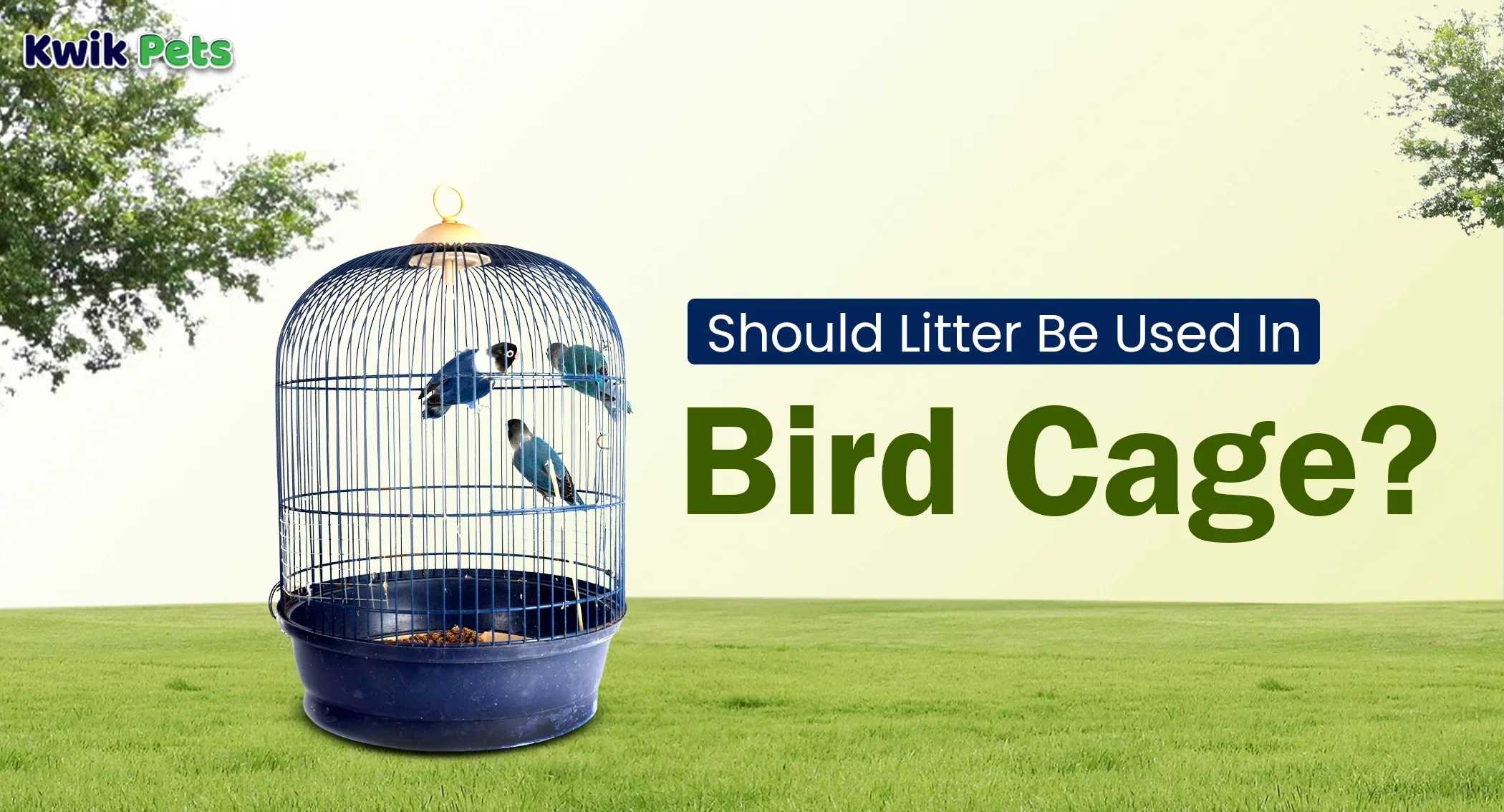
Credit: www.kwikpets.com

Credit: birdsupplies.com
Frequently Asked Questions
How Often Should Bird Droppings Be Cleaned?
Bird droppings should be cleaned daily to maintain hygiene. Frequent cleaning prevents odor, bacteria buildup, and health risks to your bird.
When Is The Best Time To Deep Clean A Bird Cage?
Deep cleaning is recommended weekly. Remove all accessories, wash the cage thoroughly, and disinfect to ensure a safe environment.
Can Dirty Bird Cages Cause Health Problems?
Yes, dirty cages can lead to infections, respiratory issues, and stress in birds. Regular cleaning reduces these risks effectively.
How To Clean Bird Cages Without Harming Birds?
Use bird-safe, non-toxic cleaners. Avoid strong chemicals and rinse cages well before placing birds back inside.
Conclusion
Cleaning a bird cage often keeps your pet healthy and happy. Daily spot cleaning removes food and droppings quickly. A full cage cleaning once a week prevents bad smells and germs. Clean cages help stop diseases and make birds feel safe.
Remember, a tidy home means a lively bird. Small daily efforts make a big difference in care. Keep your bird’s space fresh and clean for best health. Simple steps create a happy, strong bird companion. Consistency is key to a clean bird cage routine.