
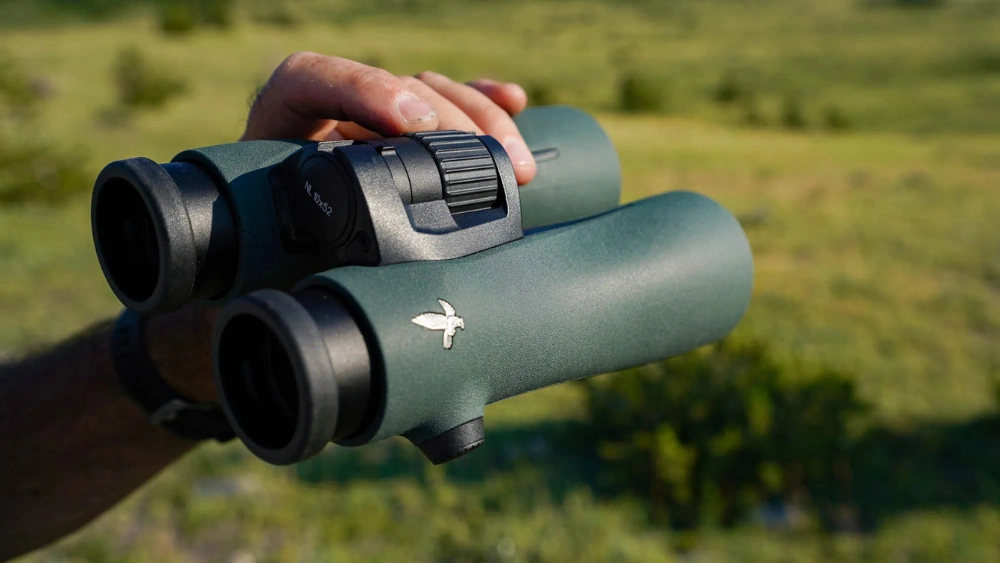
Are you ready to see birds like never before? Choosing the right binoculars can make all the difference in your birding experience.
But how do you know what size and type are best for you? Picking the wrong pair can leave you frustrated, missing out on stunning details and rare sightings. You’ll discover exactly what kind of binoculars fit your needs, helping you spot birds with crystal-clear vision and ease.
Keep reading to find the perfect match that will turn every birdwatching trip into a memorable adventure.

Credit: www.reddit.com
Choosing The Right Magnification
Choosing the right magnification is key to enjoying birding with binoculars. The magnification affects how close and clear the birds appear. Picking the right level helps you see details without losing comfort or stability.
Magnification also changes how easy it is to hold the binoculars steady. Too much zoom can make the image shaky and hard to follow. The goal is to find a balance that suits your birding style and environment.
Common Magnification Options
- 8x magnification: Offers a wide view and steady image.
- 10x magnification: Provides closer views but can be less stable.
- 12x or higher: Gives detailed views but often needs a tripod.
Impact On Image Stability
Higher magnification makes shaking more noticeable. Small hand movements cause bigger image jumps. This can tire your eyes quickly and make spotting birds harder. Lower magnification keeps the image steady and easier to follow.
Binoculars with image stabilization technology help but add weight and cost. Choosing a moderate magnification level often works best for natural hand-holding.
Ideal Magnification For Birding
- 8×42 binoculars are popular among bird watchers.
- They offer bright images with a wide field of view.
- 10×42 binoculars suit those who want more detail.
- 12x magnification is best for experienced birders using tripods.
Consider your comfort and the type of birds you want to watch. Try different magnifications before buying. The right choice makes birding more enjoyable and rewarding.

Credit: www.sunnysports.com
Evaluating Objective Lens Size
Evaluating the objective lens size is crucial for choosing binoculars for birding. The objective lens is the front lens that gathers light. Its size affects the view’s brightness and clarity. Larger lenses bring in more light, which helps in low-light conditions. But bigger lenses add weight and size to the binoculars. Finding the right balance depends on your birding needs and habits.
Brightness And Clarity
The objective lens size directly impacts brightness. Bigger lenses collect more light, making images clearer. This helps during dawn, dusk, or cloudy days. Small lenses might struggle in low light but can be sharp in bright conditions. Clear images make bird identification easier and more enjoyable.
Portability Considerations
Large objective lenses mean bigger binoculars. They can be heavy and bulky to carry all day. Small lenses make binoculars compact and easier to pack. Think about your birding style. Walking long trails needs lightweight gear. Short trips might allow for heavier, larger binoculars.
Balancing Size And Weight
Choosing the right lens size is about balance. Too big, and the binoculars become tiring to hold. Too small, and the view may be dim or unclear. Most birders prefer objective lenses between 30mm and 42mm. This range offers good light and remains easy to carry.
Importance Of Field Of View
The field of view is a key feature to consider in birding binoculars. It determines how much of the scene you can see through the lenses. A good field of view helps spot birds quickly and enjoy their natural behavior. It influences how easy it is to track birds in motion and how much detail appears at once.
Choosing the right field of view balances between wide views and focused details. Understanding this helps pick binoculars that suit your birding style and environment.
Wide Vs Narrow Views
A wide field of view shows a larger area at once. This helps find birds faster, especially in dense forests or open fields. Wide views make it easier to watch groups of birds or fast movements.
Narrow views focus on a smaller area. They often give sharper details but limit the visible space. Narrow views suit birders who like to study one bird closely. They work well for distant or stationary birds.
Tracking Moving Birds
Birds move quickly and unpredictably. A wide field of view helps keep them in sight while they fly or hop. It reduces the need to move binoculars often. This keeps the image steady and reduces eye strain.
Binoculars with narrow views require more frequent adjustments. This can make following fast birds harder. For active birders, a wider view improves the tracking experience.
Field Of View Measurements
Field of view is usually measured in feet at 1,000 yards or in degrees. For example, 300 feet at 1,000 yards means you see 300 feet wide at that distance. Degrees measure the angle of view through the binoculars.
Here is a simple comparison:
| Field of View | Feet at 1,000 Yards | Degrees | Best Use |
|---|---|---|---|
| Wide | 350+ | 6.7°+ | Fast bird spotting, open areas |
| Medium | 300-350 | 5.7°-6.7° | General birding |
| Narrow | Under 300 | Under 5.7° | Close study, distant birds |
Additional Features To Consider
Look for binoculars with waterproof and fog-proof features for outdoor use. Comfortable grip and adjustable eye relief enhance long birdwatching sessions.
When choosing binoculars for birding, the additional features can make all the difference in your experience. While the basics like magnification and lens diameter are essential, these extra features can enhance your comfort and the durability of your gear. Let’s delve into some key elements you might want to consider for a more enjoyable birding adventure.Waterproof And Fogproof Designs
Imagine you’re deep in the forest, and a sudden downpour catches you off guard. Waterproof binoculars ensure your gear remains unharmed, allowing you to continue your exploration without worry. Additionally, fogproof designs prevent internal lens fogging, providing clear views regardless of the weather conditions.Eye Relief And Comfort
If you wear glasses, eye relief is a crucial feature. It allows you to see the full field of view without straining your eyes. Look for binoculars with at least 15mm of eye relief to ensure comfort during prolonged birdwatching sessions.Durability And Build Quality
Your binoculars need to withstand the rigors of outdoor use. A solid build with high-quality materials ensures they can handle the occasional bump or drop. Consider models with rubber armor for a secure grip and added protection against shocks. Incorporating these features into your binoculars can truly enhance your birding experience. Have you considered what features are most important for your next birdwatching adventure?
Credit: www.youtube.com
Frequently Asked Questions
What Is The Ideal Magnification For Birding Binoculars?
The ideal magnification is usually 8x or 10x. This balance offers clear, stable views without excessive shakiness. Higher magnifications can be harder to hold steady, making 8x or 10x the best choice for birdwatching.
How Important Is Lens Diameter In Birding Binoculars?
Lens diameter affects light gathering and image brightness. A 32mm to 42mm lens diameter is optimal for most birders. Larger lenses perform better in low light but may be heavier to carry.
Should I Choose Waterproof Binoculars For Birding?
Yes, waterproof binoculars are recommended for birding. They protect against rain, fog, and humidity. This durability ensures better performance in various outdoor conditions and extends the binoculars’ lifespan.
Are Compact Binoculars Good For Birding?
Compact binoculars are lightweight and easy to carry. However, they may sacrifice some image brightness and field of view. For casual birding, compacts are fine, but serious birders often prefer full-sized models.
Conclusion
Choosing the right binoculars can make birding more fun. A clear view helps you spot birds easily. Pick binoculars that feel comfortable to hold. Look for a good balance between size and power. Remember, heavy binoculars can tire your hands quickly.
Bright and sharp images bring birds to life. Keep your budget in mind but don’t sacrifice quality. With the right pair, every birding trip becomes special. Happy birding!