

If you love capturing the beauty of birds, you probably wonder how many megapixels you really need for stunning bird photography. Choosing the right camera can feel overwhelming with so many options out there.
But don’t worry—knowing the ideal megapixel count can make a big difference in your photos. You’ll discover exactly what works best for sharp, detailed bird shots. By the end, you’ll feel confident picking the perfect camera to bring your bird photography to the next level.
Keep reading to unlock the secret to amazing bird photos!
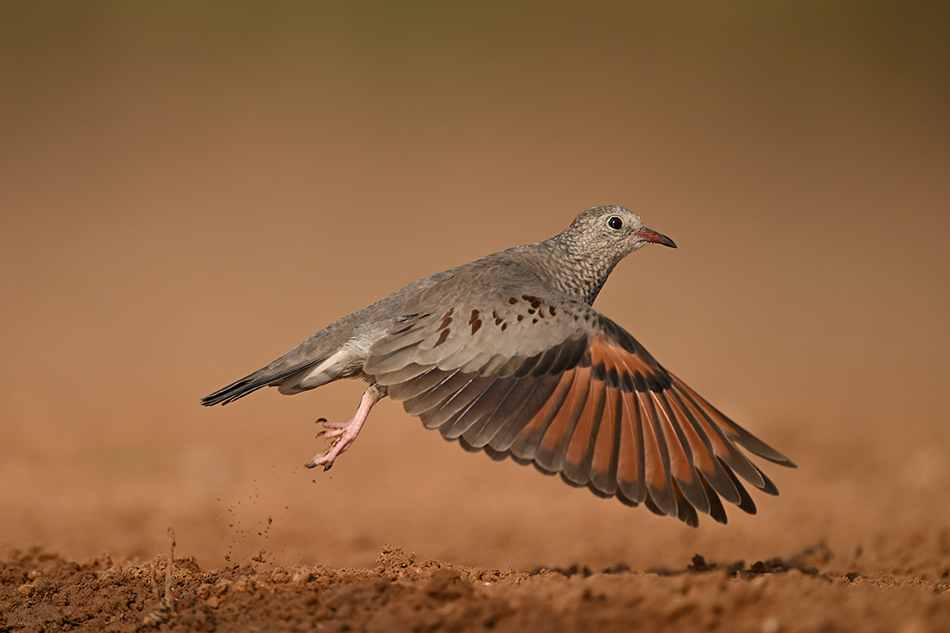
Credit: www.tombolphoto.com
Choosing The Right Megapixels
Choosing the right megapixels for bird photography can make a big difference in your photos. You want enough detail to capture the fine feathers and expressions, but not so much that it slows you down or overwhelms your storage. Understanding how megapixels affect your images helps you decide what fits your style and gear.
Impact On Image Quality
More megapixels generally mean sharper and more detailed images. This is crucial for bird photography where tiny feather details matter. However, higher megapixels don’t always guarantee better photos if your lens or focus isn’t precise.
Think about shooting a small, fast-moving bird. A 20-24 megapixel camera can capture excellent detail without needing massive files. If you want to crop tightly or print large images, pushing toward 30+ megapixels can help retain clarity.
Balancing Resolution And File Size
Higher resolution images create larger files that eat up memory cards and hard drives quickly. This can slow down your shooting speed and editing workflow. Ask yourself: do you need extreme detail, or is a lighter file more practical?
Many photographers find a balance around 20-30 megapixels ideal. It offers enough resolution for cropping and printing, while keeping file sizes manageable. If you shoot in RAW, larger files also mean longer transfer and processing times.
- Consider your storage capacity before choosing a camera with very high megapixels.
- Evaluate your computer’s ability to handle large files smoothly.
- Remember that faster burst shooting might be limited by file size and buffer speed.
What’s more important to you: capturing every feather in detail or having quick, efficient shooting sessions? Your answer will guide how many megapixels work best for your bird photography.
Megapixels For Different Bird Types
Choosing the right megapixels depends on the type of bird you want to photograph. Different birds need different camera details to capture their unique features well. Small birds often require more megapixels to show fine details clearly. Large birds need enough pixels to cover wide shots without losing quality.
Small Birds And Fine Details
Small birds have delicate feathers and tiny features. High megapixels help capture these details sharply. A camera with 20 to 30 megapixels works well for small birds. It lets you crop photos without losing image quality. This is useful when the bird is far or hard to see closely.
Fine details like feather texture and eye clarity stand out with more pixels. These details make your photos more attractive and lifelike. More megapixels also help in post-editing, allowing clear zoom and adjustments.
Large Birds And Wide Shots
Large birds need a different approach. Wide shots show their size and environment. Cameras with 16 to 24 megapixels often capture wide scenes well. This resolution balances image size and detail for big birds.
Lower megapixels reduce file size, making photos easier to handle. Wide shots focus less on tiny details and more on composition. This means you do not need extremely high megapixels for large birds. The right megapixels keep images sharp and natural.
Camera Sensors And Megapixels
The camera sensor and megapixels play key roles in bird photography. The sensor captures light, while megapixels determine image detail. Understanding their effects helps choose the right camera. Bird photography often requires high detail and sharpness. This depends on sensor size and pixel count.
Sensor Size Effects
Sensor size affects image quality and field of view. Larger sensors capture more light, improving image clarity. They produce better colors and less noise. Smaller sensors crop the image, making birds appear closer. This can help with distant subjects but may reduce image quality. Full-frame and APS-C sensors are popular choices. Full-frame sensors offer excellent detail and low noise. APS-C sensors provide extra reach due to crop factor.
Low Light Performance
Birds often appear in early morning or late evening light. Cameras with larger sensors perform better in low light. Bigger sensors gather more light, reducing grain and noise. Higher megapixels can mean smaller pixels, which may hurt low light quality. Balance is important. Cameras with moderate megapixels and large sensors work well. They keep images sharp without sacrificing low light performance.

Credit: www.youtube.com
Practical Tips For Crisp Bird Photos
Choosing the right megapixels helps capture sharp bird details without huge file sizes. Around 16 to 24 megapixels usually balance clarity and ease of editing well. Higher megapixels offer more zoom but need better lenses and steady hands.
Practical Tips for Crisp Bird Photos Capturing sharp bird photos requires more than just a good camera. Understanding camera settings and techniques is vital. These skills help in achieving clear and detailed images. Here are practical tips for capturing crisp bird photos.Using Telephoto Lenses
Telephoto lenses are essential for bird photography. They bring distant birds closer, filling the frame. A lens with a focal length of at least 300mm is ideal. This allows you to capture details without disturbing the bird. Stability is important. Use a tripod or monopod to reduce camera shake. This ensures sharper images.Post-processing Techniques
Post-processing enhances the quality of bird photos. Use software like Adobe Lightroom or Photoshop. Adjust brightness, contrast, and sharpness to improve the image. Cropping can help focus on the bird and remove distractions. Be careful not to over-edit. Maintain a natural look for the best results.
Credit: www.youtube.com
Frequently Asked Questions
How Many Megapixels Are Ideal For Bird Photography?
A camera with 20 to 30 megapixels is ideal for bird photography. It balances detail and file size well. Higher megapixels help capture fine feather details and allow cropping without losing quality.
Does Higher Megapixels Improve Bird Photo Quality?
Yes, higher megapixels improve detail and clarity in bird photos. More megapixels allow cropping and printing large images without loss of sharpness. However, sensor quality and lens sharpness also matter greatly.
Can Low Megapixel Cameras Work For Bird Photography?
Low megapixel cameras can work but limit cropping and detail capture. They are suitable for beginners or casual bird photographers. For professional results, a higher megapixel camera is recommended.
How Does Megapixel Count Affect Bird Photo Cropping?
Higher megapixels allow more aggressive cropping while maintaining image quality. This is useful when birds are distant or small in the frame. Lower megapixels reduce cropping flexibility and image detail.
Conclusion
Choosing the right megapixels depends on your needs and budget. Higher megapixels help capture fine bird details. But too many can slow your camera and use more storage. Balance image quality with ease of use. A good camera with moderate megapixels often works best.
Focus on sharpness and good lenses too. Remember, skill and patience matter more than numbers. Enjoy photographing birds and keep practicing. Your photos will improve over time.