Have you ever wondered why the birdseed you put out seems to disappear faster than you expected? Or perhaps you’re concerned about whether the food you’re offering is still fresh and safe for your feathered visitors.
Understanding how long bird food lasts outside is crucial not only for attracting a variety of birds to your yard but also for ensuring their health and safety. Imagine your backyard bustling with vibrant colors and sweet melodies, thanks to the flock of grateful birds you’ve managed to attract with fresh, nutritious food.
This guide will reveal the secrets of keeping bird food fresh and how to avoid common pitfalls that might be keeping your backyard birdless. Stay with us, and you’ll learn how to create an irresistible bird paradise right outside your window.

Credit: happygardens.com
Factors Affecting Bird Food Shelf Life
Understanding what affects the shelf life of bird food outside can save you money and keep your feathered visitors healthy. Several factors come into play, from the weather to the type of food you offer. Knowing these will help you store and manage bird food more effectively.
Weather Conditions
Sunlight, heat, and temperature swings can quickly degrade bird food quality. High heat can cause oils in seeds to go rancid, making the food unappealing and unhealthy for birds.
Rain and humidity also play a big role. Moist environments encourage mold growth, which can be toxic to birds.
Have you noticed how bird food left in direct sunlight often looks dry and stale within days? That’s a clear sign the weather is affecting its shelf life.
Type Of Bird Food
Not all bird foods last the same amount of time outside. Seeds like sunflower or safflower have higher oil content, meaning they spoil faster.
On the other hand, pellets or dried mealworms tend to stay fresh longer because they have lower moisture and oil content.
Consider what type of birds you want to attract and choose food that matches both their preferences and your storage conditions.
Exposure To Moisture
Moisture is the enemy of dry bird food. Even a little water from rain or dew can cause seeds to clump and encourage mold.
Bird food stored in open containers or feeders without covers will absorb moisture faster. This often leads to wasted food and could harm the birds.
Have you tried using feeders with drainage holes or covers? They can make a big difference in keeping food dry and fresh.
Presence Of Pests
Rodents, insects, and other pests can contaminate bird food quickly. They not only eat the food but also leave droppings, which are dangerous for birds.
Storing food in sealed containers and cleaning feeders regularly can reduce pest problems significantly.
Think about your local environment—do you have squirrels or ants that raid your feeders? Adjusting your setup can extend the life of your bird food outside.

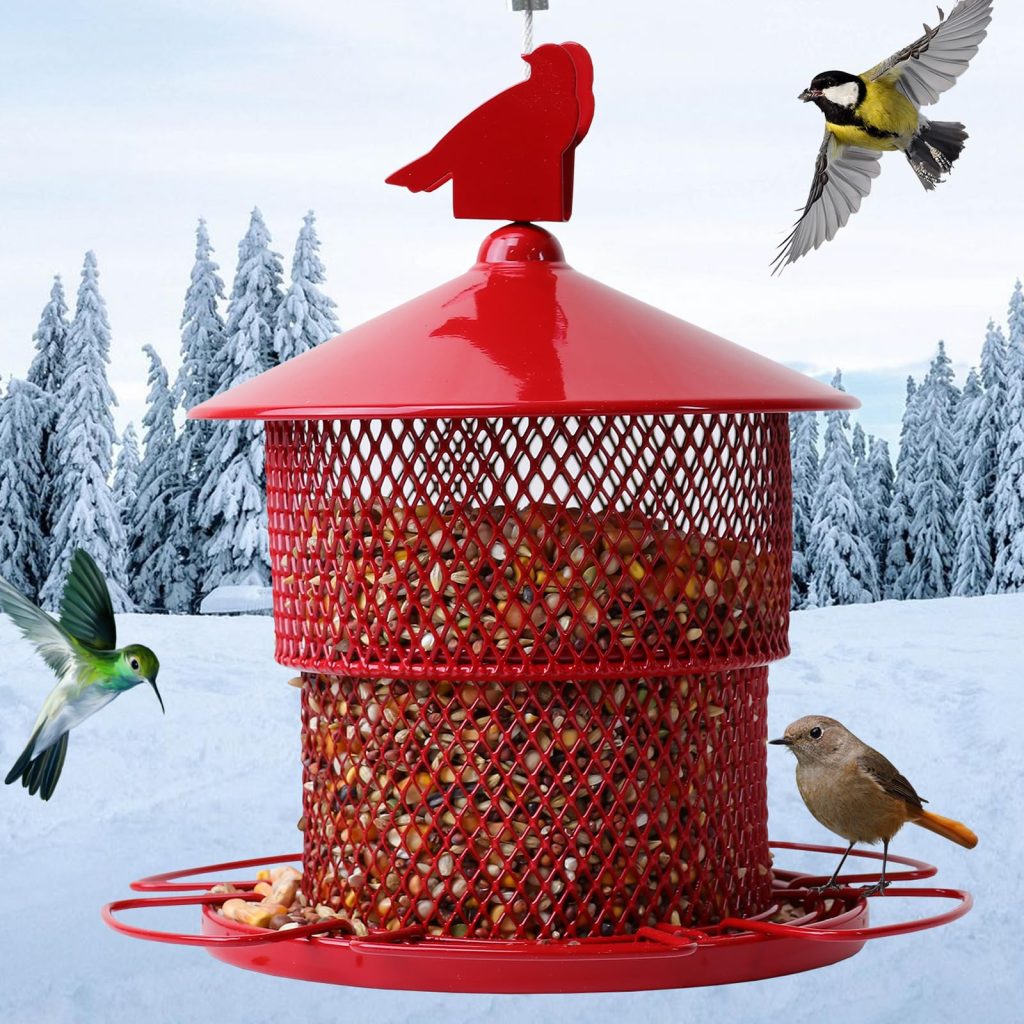
Credit: www.amazon.ca
Signs Of Spoiled Bird Food
Knowing the signs of spoiled bird food is crucial to keep your feathered visitors safe and healthy. Spoiled food can harm birds, causing illness or deterring them from visiting your feeder. Paying attention to subtle changes in the food can help you catch spoilage early and avoid unnecessary risks.
Unusual Odors
If your bird food starts to smell off or sour, it’s a clear warning sign. Fresh seeds and pellets usually have a neutral or mild natural scent. A sharp, musty, or rancid odor means bacteria or mold might be growing, making the food unsafe for birds.
Mold And Discoloration
Visible mold is one of the easiest spoilage signs to spot. Look for fuzzy patches in colors like white, green, or black on the surface of the seeds or pellets. Discoloration that wasn’t there before, such as dark spots or dullness, also indicates the food has gone bad.
Clumping And Texture Changes
When bird food absorbs moisture, it can start to clump together or become sticky. Seeds that were once dry and separate might form lumps or harden in spots. These texture changes often mean the food is no longer fresh and could harbor harmful bacteria or fungi.
Tips To Keep Bird Food Fresh Longer
Keeping bird food fresh outside can be challenging, especially with changing weather and wildlife around. However, with a few smart habits, you can extend the life of your bird food and ensure it remains safe and tasty for your feathered visitors. These tips will help you avoid waste and keep your feeders inviting all season long.
Proper Storage Solutions
Storing bird food correctly is key to maintaining its freshness. Use airtight containers to keep moisture and pests out. Plastic or metal containers with tight-fitting lids work best.
Keep the containers in a cool, dry place away from direct sunlight. Heat and humidity can cause seeds to spoil or mold quickly. Have you noticed how quickly birdseed gets clumpy after a rainy day? That’s moisture at work.
Choosing The Right Feeding Times
Feeding birds during cooler parts of the day can help keep food fresh longer. Early mornings or late afternoons are ideal because the temperature is lower, reducing spoilage.
Avoid refilling feeders during hot midday hours when seeds can heat up and go rancid faster. Try to observe when your local birds are most active and plan your feeding around those times. It not only keeps the food fresh but also maximizes bird visits.
Regular Cleaning Of Feeders
Cleaning your feeders frequently prevents mold and bacteria buildup, which can spoil bird food quickly. Use warm, soapy water and rinse thoroughly before refilling.
Pay special attention to corners and perches where old seeds and droppings tend to accumulate. How often do you clean your feeders? Making it part of your routine can save you from feeding spoiled food without realizing it.
Safe Disposal And Replacement Timing
Knowing when and how to dispose of old bird food is key to keeping your feathered visitors healthy and happy. Food left outside can quickly spoil due to moisture, heat, or pests, making timely replacement essential. Let’s dive into practical tips on safe disposal and how often you should refresh your feeders.
When To Throw Away Old Food
Check your bird food daily for signs of mold, clumping, or an unpleasant smell. If you see any of these, it’s time to toss the food immediately. Wet or damp seeds can become a breeding ground for harmful bacteria, posing risks to birds.
In warm or humid weather, food can spoil within 24 to 48 hours. Keep an eye on leftovers after rain or watering your garden nearby. Don’t hesitate to discard any food that looks or smells off—it’s better to be safe.
How Often To Refill Feeders
Refilling frequency depends on the type of food and weather conditions. During dry, cool days, you might refill feeders every 3-4 days. But in hot or rainy weather, daily refills might be necessary to keep food fresh.
Observe how quickly birds consume the food. If it sits uneaten for more than a couple of days, reduce the amount you offer. Smaller, more frequent refills prevent waste and spoilage.
Impact On Bird Health
Feeding birds spoiled or moldy food can cause serious health issues, including digestive problems or poisoning. You want to provide nourishment, not harm. Healthy birds are more likely to visit and stay around your feeders.
Have you noticed any changes in your local birds’ behavior or appearance? It might be linked to food quality. Staying vigilant about disposal and replacement helps you support your backyard wildlife responsibly.
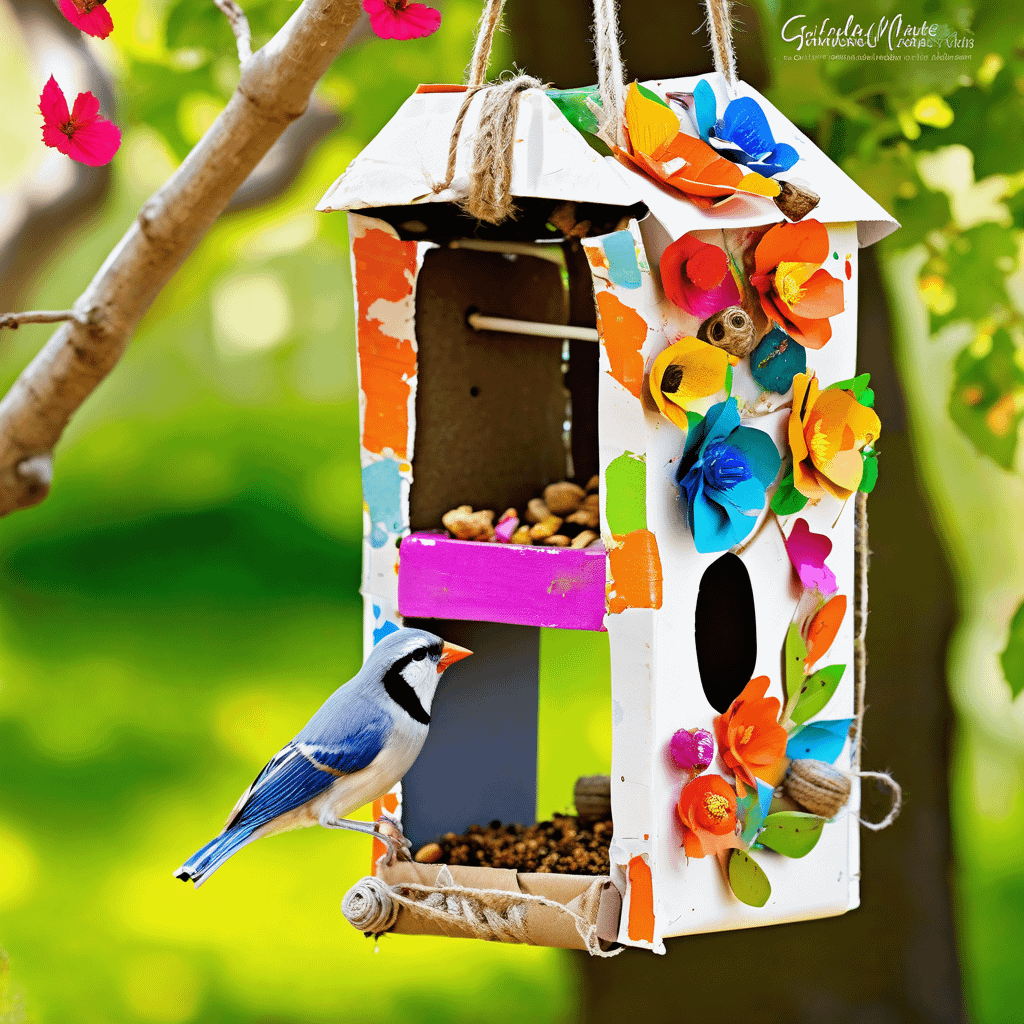
Credit: magickidslearning.com
Frequently Asked Questions
How Long Does Bird Food Stay Fresh Outside?
Bird food typically stays fresh outside for 1 to 3 days. Exposure to moisture and heat shortens its shelf life. Storing food in a dry, cool place helps maintain freshness longer and prevents mold growth.
Can Bird Food Spoil If Left Outdoors Too Long?
Yes, bird food can spoil if left outdoors for over 3 days. Moisture and insects cause spoilage. Spoiled food loses nutritional value and can harm birds. Regularly check and replace old food for safety.
What Factors Affect Bird Food Longevity Outside?
Weather, moisture, and temperature impact bird food longevity. Rain and humidity cause mold and spoilage. Hot weather accelerates spoilage by promoting bacterial growth. Use sealed containers or covers to protect food longer.
Is It Safe To Feed Birds Old Or Moldy Food?
Feeding birds old or moldy food is unsafe. Mold produces toxins harmful to birds. Always discard food showing mold or foul smell. Fresh food ensures birds stay healthy and nourished.
Conclusion
Bird food lasts differently depending on weather and type. Wet or warm conditions spoil seeds fast. Keep food dry to help birds stay healthy. Check bird feeders often and replace old food. Fresh food attracts more birds to your yard.
Simple care helps you enjoy watching birds longer. Remember, clean feeders and fresh food matter most. This keeps your feathered friends safe and happy.